
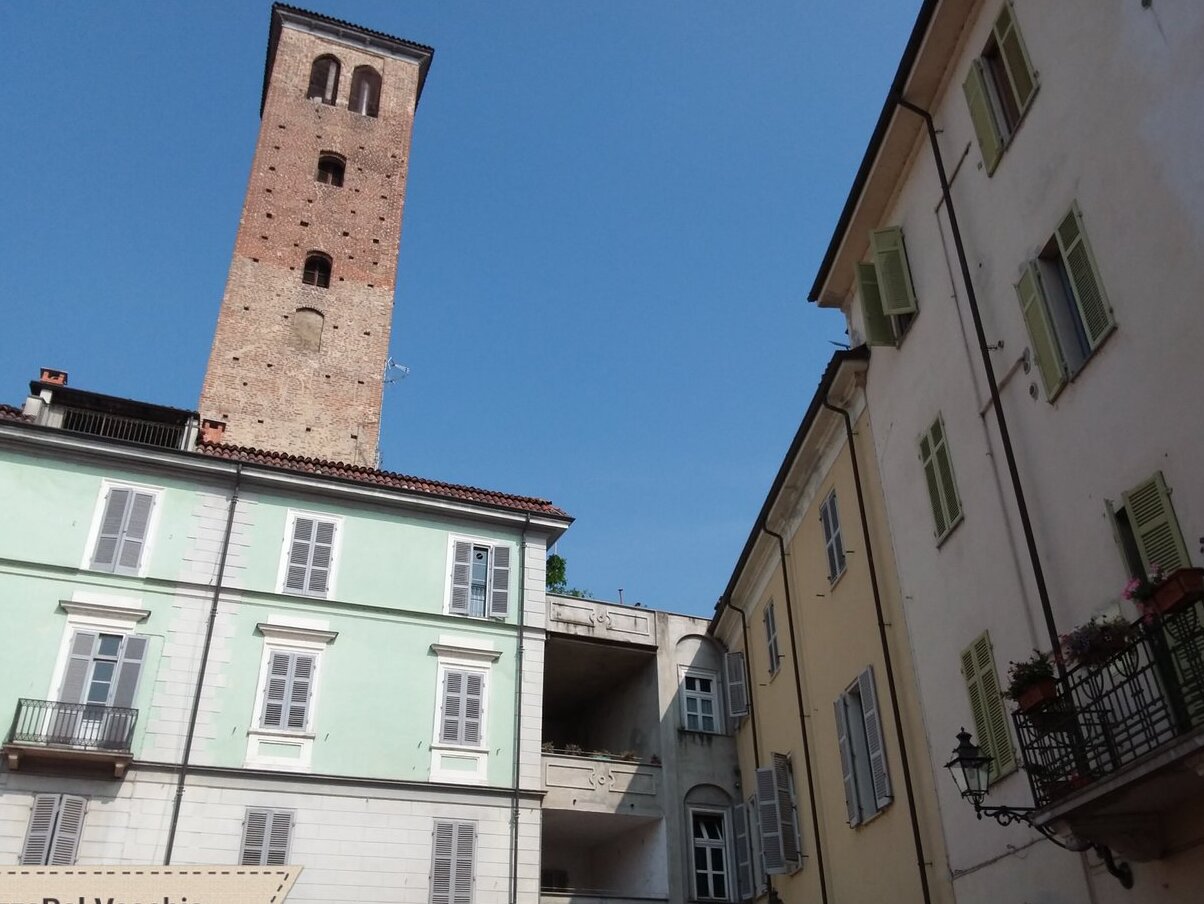

Amidst the charming streets of Vercelli, Italy, the Broletto Tower stands as a majestic sentinel, steeped in history and legend. Known locally as the Torre di Città, this impressive structure is not only the oldest tower in Vercelli but a profound symbol of the city’s rich cultural heritage.
History and Origins
The origins of the Broletto Tower date back to the late 12th century. Constructed around 1190, it initially served as a pivotal administrative building, housing the city’s municipal government. The term "broletto" itself refers to a medieval council or assembly, highlighting the tower's role in local governance.

Throughout the centuries, the Broletto Tower has witnessed numerous significant historical events. During the Middle Ages, Vercelli became a prominent center of trade and culture, largely due to its strategic location along the Via Francigena, the ancient pilgrimage route leading to Rome. The tower became a meeting point for merchants and citizens alike, fostering a vibrant urban life.
One of the most captivating legends associated with the Broletto Tower is that of the blue flames. It is said that the souls of illustrious Vercellians hover around the tower, appearing as ethereal blue flames. The folklore suggests that if a prominent figure sees an empty space among these flames, it signifies their impending demise. However, for the common folk who might glimpse the flames, it’s simply a sign of having indulged a bit too much. This amusing anecdote adds a layer of charm to the tower’s already fascinating narrative.
Art and Architecture
Architecturally, the Broletto Tower is a remarkable example of Romanesque style, characterized by its robust structure and arched windows. Standing at about 30 meters in height, the tower is adorned with a series of elegant arcades and intricate stone carvings that reflect the craftsmanship of the era.
One of the tower's most notable features is its unique clock, added in the 17th century, which not only serves a practical purpose but also enhances the aesthetic appeal of the tower. Visitors can appreciate the blend of functionality and artistry that is emblematic of Vercelli's architectural landscape.
Inside the tower, remnants of frescoes and historical artifacts tell the story of the city’s past. While many tourists may overlook these details, they are essential for understanding the artistic significance of the Broletto as a cultural monument.
Local Culture and Traditions
The cultural vibrancy of Vercelli can be felt in its traditions and festivals, many of which are tied to the city’s historical roots. One of the most celebrated events is the Fiera di San Vittore, held in May, which honors the patron saint of the city. This lively fair features a blend of religious processions, food stalls, and artisan markets, drawing visitors from far and wide.
Another important tradition is the Candelora, celebrated in early February, where locals light candles to bless the fields for a good harvest. This event reflects the community’s strong agricultural ties, particularly in rice cultivation, which is a significant aspect of Vercelli's economy and identity.
Gastronomy
The culinary scene in Vercelli is a feast for the senses, with local specialties that showcase the region’s agricultural bounty. The city is renowned for its Arborio rice, the key ingredient in the famous Italian dish, risotto. Visitors should not miss the opportunity to savor a traditional risotto alla Milanese, creamy and infused with saffron, which embodies the essence of Northern Italian cuisine.
Additionally, Vercelli is famous for its panissa, a hearty dish made from chickpea flour and typically served with salami or as a street food snack. Pair these dishes with a glass of Gattinara, a robust red wine produced in the nearby Piedmont region, and you’ll experience the authentic flavors of Vercelli.
Lesser-known Curiosities
While the Broletto Tower and its legends capture the imagination, there are plenty of lesser-known curiosities that add depth to a visitor's experience. For instance, the nearby Basilica di Sant'Andrea houses a stunning fresco attributed to the Renaissance artist Giovanni Battista Crespi, also known as Il Cerano. It’s a hidden gem that often slips under the radar of tourists.
Another fascinating tidbit is the story of the Cappella di San Giovanni, where an ancient fresco depicts a now-obscure local saint, which is believed to have been lost during the tumultuous years of the Counter-Reformation. Discovering such stories can provide a richer context for the historical tapestry of Vercelli.
Practical Visitor Information
The best time to visit Vercelli is during the late spring and early autumn months, when the weather is mild, and the local festivals are in full swing. To truly appreciate the Broletto Tower, take a leisurely stroll around its base, allowing time to absorb its grandeur from different angles.
When visiting, be sure to check the local event calendar for any exhibitions or guided tours that may be taking place. Engaging with the locals can also provide insights and stories that enhance your understanding of this remarkable city.
As you explore Vercelli, don’t forget to download the Secret World app to craft a personalized AI itinerary for your visit.


