



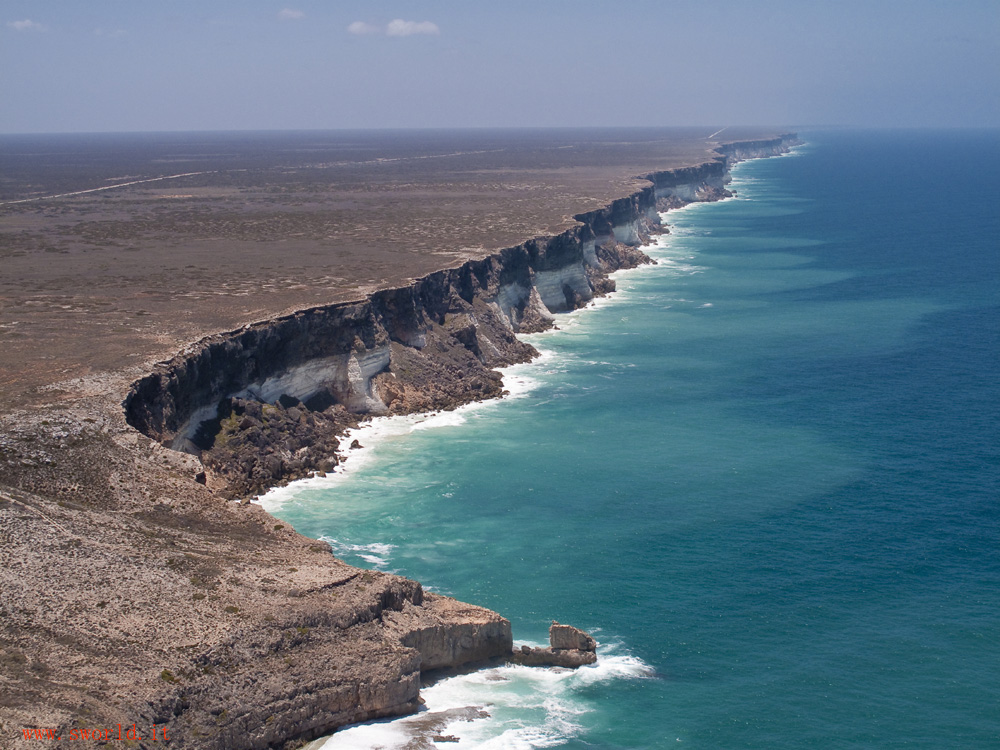
The Bunda Cliffs, a stunning natural formation located along the Great Australian Bight, captivate visitors with their sheer height and breathtaking views. Stretching approximately 100 kilometers (62 miles), these sea cliffs rise dramatically from the Southern Ocean, with some sections reaching heights of up to 120 meters (400 feet). The name Bunda originates from the local Aboriginal languages, meaning 'cliff' or 'rocky place,' reflecting the area’s deep-rooted Indigenous heritage.
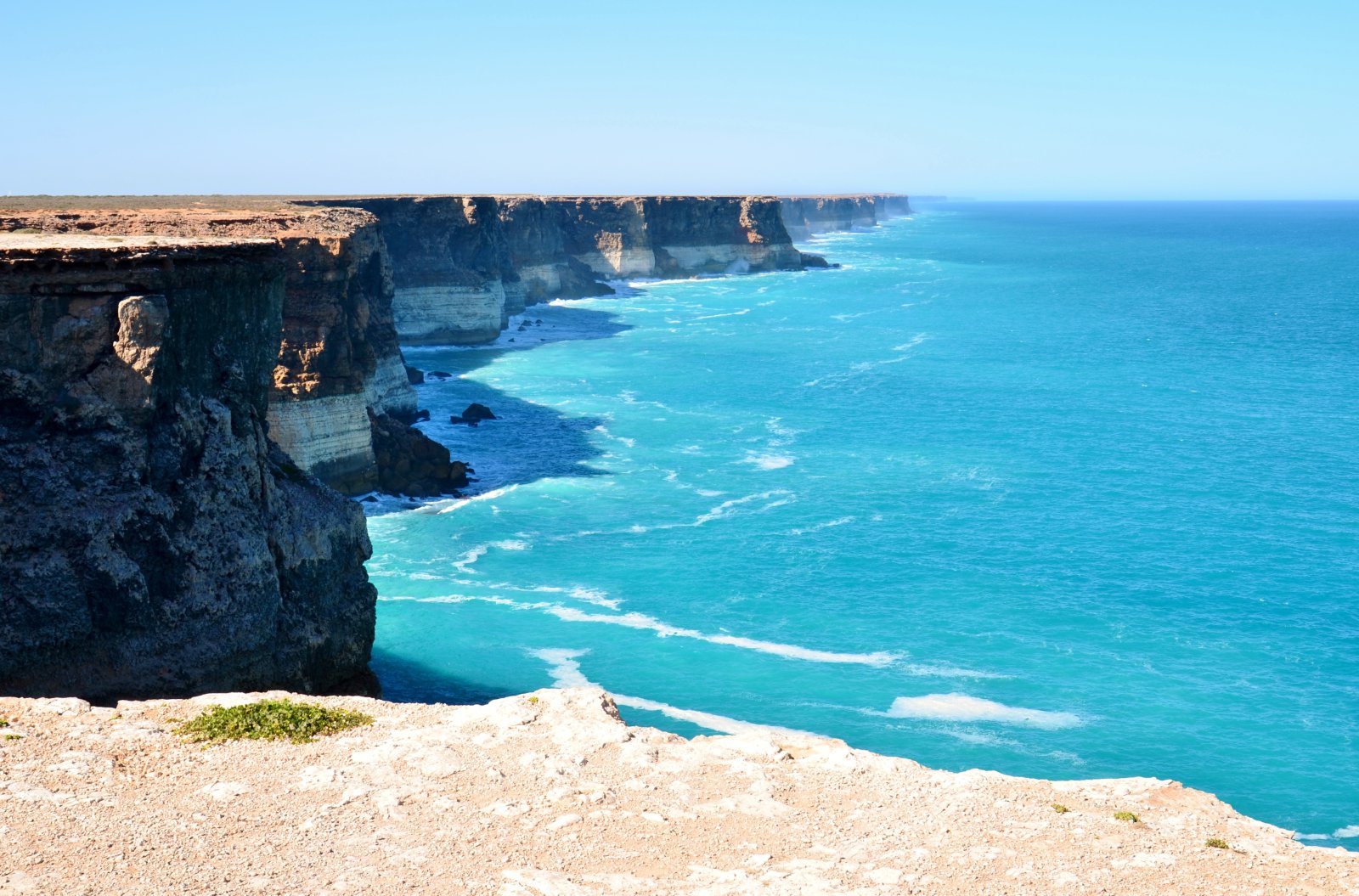
### History and Origins The history of the Bunda Cliffs is intertwined with the ancient stories of the Nukunu, the Indigenous people of the region. For thousands of years, these cliffs have served as a natural landmark and a source of sustenance, providing access to marine life and serving as a strategic lookout point. European exploration began in the early 19th century, with Matthew Flinders charting the coastline in 1802. His accounts, along with those of Edward John Eyre, who traversed the Nullarbor Plain in 1840, highlight the rugged beauty and isolation of this area.
### Art and Architecture While the Bunda Cliffs are primarily a natural wonder, they have inspired various forms of artistic expression. The stark contrast of the white limestone cliffs against the deep blue of the ocean has drawn photographers and painters alike, capturing the essence of the Australian landscape. The rugged beauty of the cliffs offers a dramatic backdrop for local artists, particularly in the Nullarbor region, where art often reflects the harsh yet beautiful environment.
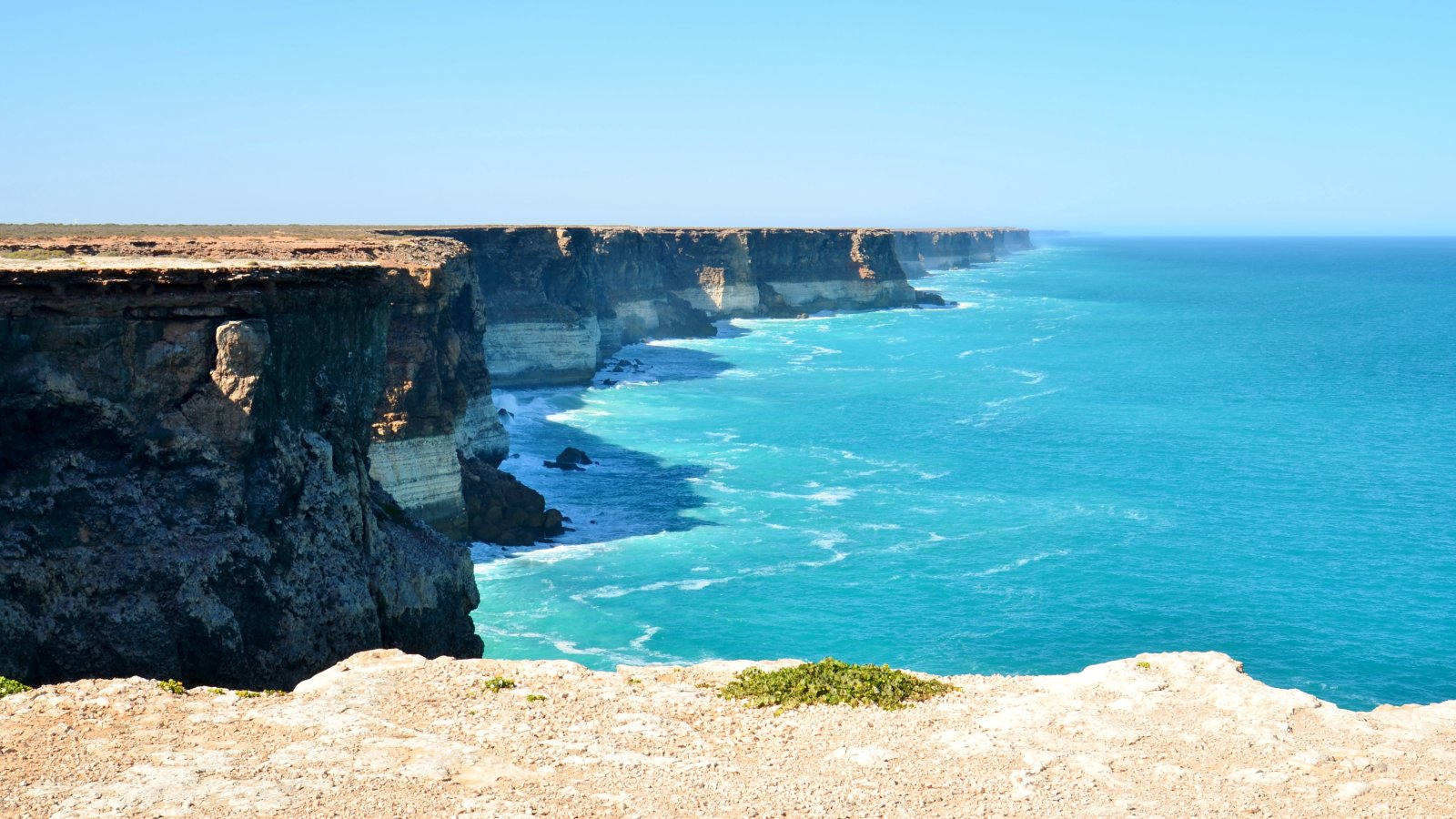
### Local Culture and Traditions The local culture surrounding the Bunda Cliffs is rich in Indigenous traditions. The Nukunu people celebrate their connection to the land through storytelling, dance, and art. Festivals often revolve around seasonal changes and the migration patterns of marine life, with community gatherings held to honor their heritage and the natural world. Visitors may find opportunities to engage with local Indigenous guides who share their deep cultural knowledge and connection to the cliffs and surrounding environment.
### Gastronomy In this remote region, gastronomy takes on a unique flavor. The Nullarbor is known for its fresh seafood, particularly fish and crayfish caught from the surrounding waters. Local eateries often serve succulent grilled fish, paired with fresh salads featuring native ingredients like bush tomatoes and wattleseed. Traditional Aboriginal dishes, such as kangaroo and emu, may also be available, alongside contemporary Australian cuisine that highlights local produce.
### Lesser-known Curiosities One intriguing aspect of the Bunda Cliffs is their geological significance. Formed from ancient limestone, the cliffs are home to fascinating fossils that date back millions of years. Visitors may stumble upon remnants of prehistoric marine life embedded in the rock, offering a glimpse into the Earth’s distant past. Additionally, the cliffs are often a prime location for spotting migrating southern right whales, especially during the whale-watching season from June to October. These gentle giants come close to the cliffs to calve, providing a spectacular sight for those patient enough to wait.
### Practical Visitor Information The best time to visit the Bunda Cliffs is during the Australian spring and summer months, from September to March. During this period, the weather is generally mild, and the chances of spotting whales increase significantly. Visitors should prepare for a remote experience; amenities are limited, and it’s advisable to bring water, food, and appropriate gear for hiking and exploring the area.
When visiting, take the time to explore the Nullarbor Plain, where you can experience the vast, treeless landscape that showcases Australia’s unique ecosystem. Look for interpretive signs along the cliffs, which provide insights into the area's history and natural features.
To truly appreciate the majesty of the Bunda Cliffs, consider timing your visit for sunrise or sunset, when the light casts dramatic shadows across the cliffs and enhances the vibrant colors of the ocean.
As you plan your journey to this remote wonder, consider using the Secret World app to help create a personalized itinerary that captures the essence of the Nullarbor experience.
