
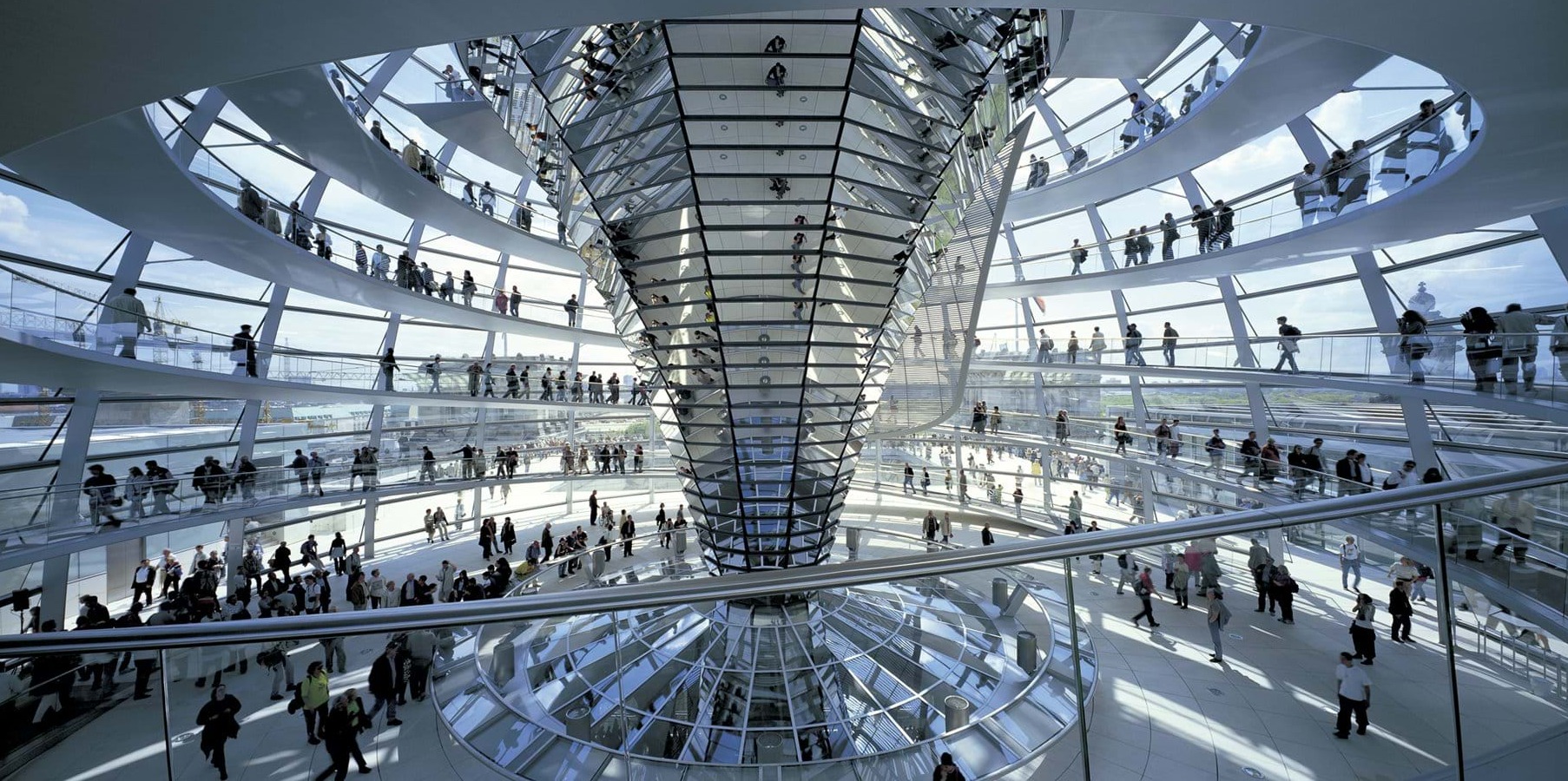

In the heart of Berlin, the Bundestag stands as a testament to the city’s tumultuous history and its unwavering commitment to democracy. More than just a political hub, the building embodies Germany's journey from autocracy to a vibrant democratic society. As you approach, the imposing structure of the Reichstag greets you, its intricate façade whispering tales of resilience and rebirth.
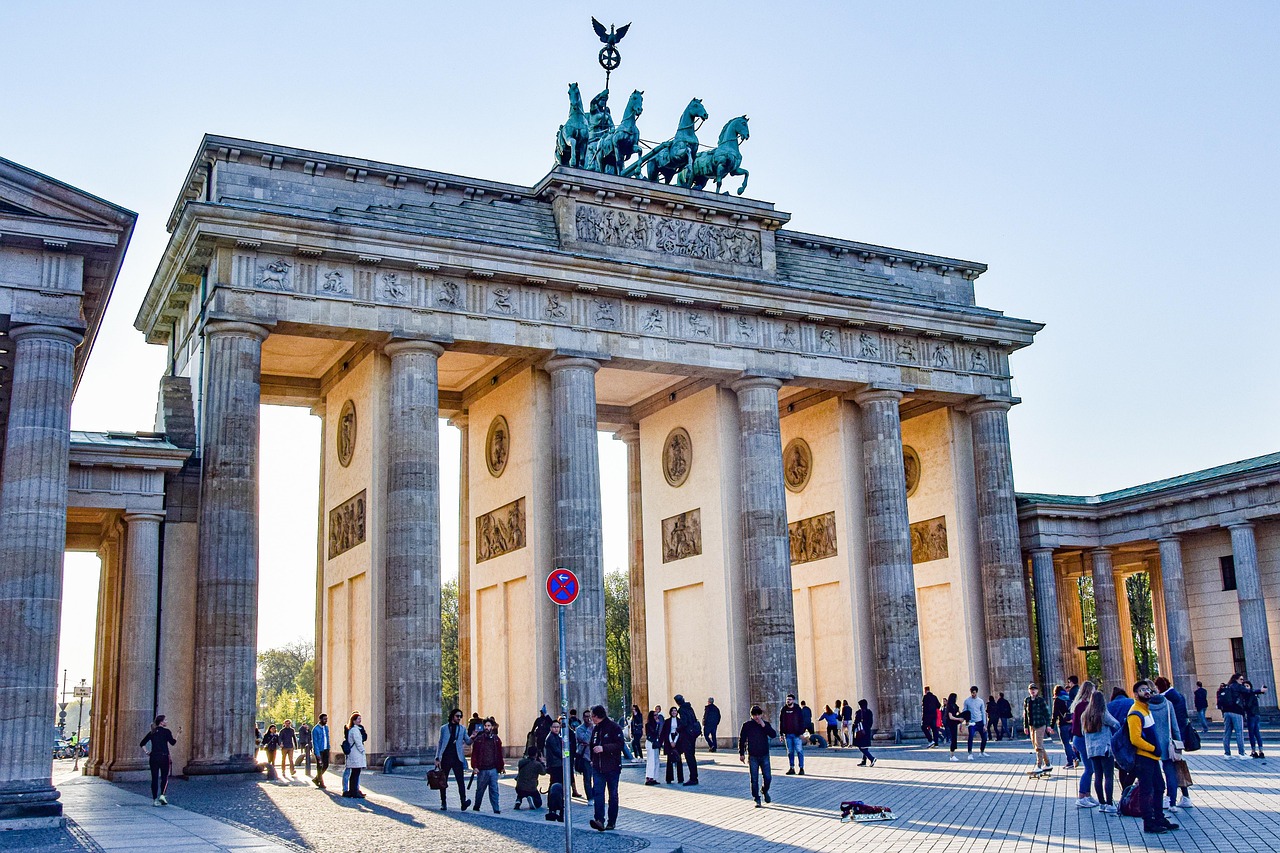
The origins of the Bundestag can be traced back to 1894, when the Reichstag building was completed to house the Imperial Diet of the German Empire. Designed by architect Paul Wallot, the building showcases a blend of Renaissance and Baroque styles, characterized by its grand dome and ornate details. Over the years, the Reichstag witnessed significant events, including the Reichstag Fire in 1933, which led to the rise of the Nazi regime, and its subsequent damage during World War II. Following the war, the building fell into disrepair, only to be meticulously restored in the 1990s under the guidance of British architect Lord Norman Foster. His design incorporated modern elements while preserving the scars of history, making it a symbol of democratic renewal.
Step inside, and you're greeted by a stunning juxtaposition of old and new. The interior is marked by expansive glass walls that allow natural light to flood the space, symbolizing transparency in governance. This architectural choice reflects the Bundestag’s ethos of accessibility. Visitors can freely roam the building, and the grand cupola—a glass dome atop the Reichstag—invites everyone to ascend and look down upon the parliamentary chamber, a profound metaphor for the relationship between the people and their representatives.
Art also plays a crucial role within the Bundestag. The building houses several significant artworks that reflect Germany's cultural identity. Noteworthy is the "Allegory of the German Nation" by Fritz Klimsch, a sculpture that embodies national unity. Additionally, the Bundestag showcases pieces from contemporary artists, emphasizing the evolving nature of German identity and its democratic values.
The local culture surrounding the Bundestag is rich and layered. Berlin is known for its vibrant arts scene, and this extends to the activities surrounding the Bundestag. Events like the Festival of Lights illuminate the building during autumn, showcasing light installations that resonate with the structure's historical significance. In December, the area buzzes with holiday markets, where visitors can savor traditional German foods like Bratwurst and Glühwein. These gatherings foster a sense of community and celebrate the democratic spirit that the Bundestag represents.
Culinary experiences near the Bundestag are equally captivating. The terrace restaurant atop the building offers stunning views of Berlin, alongside a menu that features locally sourced ingredients. Here, you can indulge in traditional dishes such as Sauerbraten—a pot roast marinated in a mix of vinegar, water, and spices—or enjoy a slice of Black Forest cake. Pair your meal with a glass of Berliner Weisse, a refreshing sour wheat beer, which is a local favorite.
For those intrigued by lesser-known curiosities, the Bundestag holds many secrets. One fascinating detail is the fact that the glass dome was designed not only for aesthetic purposes but also for energy efficiency. The dome acts as a thermal chimney, helping to regulate the building's temperature naturally. Additionally, the preserved graffiti from World War II and the marks left by stonemasons during reconstruction serve as poignant reminders of the building's journey through time.
Visitors planning a trip to the Bundestag should consider the best times to explore. Weekdays are typically bustling with political activity, but guided tours are available, offering an insider’s perspective on the workings of German democracy. Booking in advance is highly recommended, especially during peak tourist seasons in spring and summer. Don't forget to take advantage of the audio guides available, which provide insights into the building's history and architecture.
As you wander through the halls of the Bundestag, take a moment to reflect on the layers of history embedded within its walls. The transformation from a war-torn relic to a beacon of democracy is more than an architectural feat; it's a powerful narrative of resilience and hope.
For a truly personalized experience in Berlin, consider using the Secret World app to craft an itinerary that highlights not only the Bundestag but also the city’s hidden gems.


