
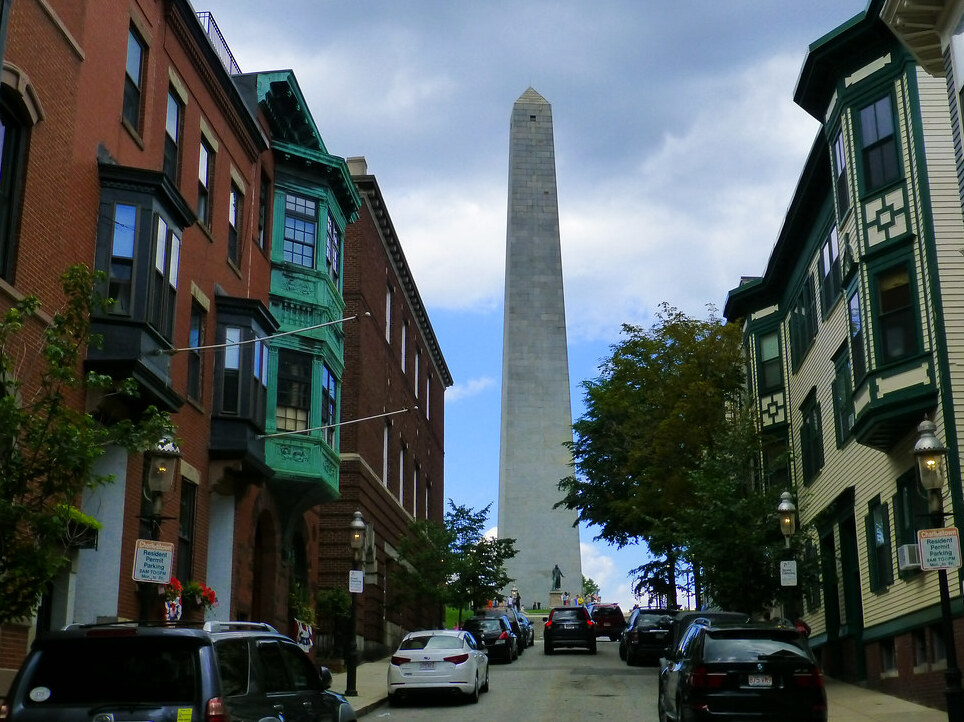

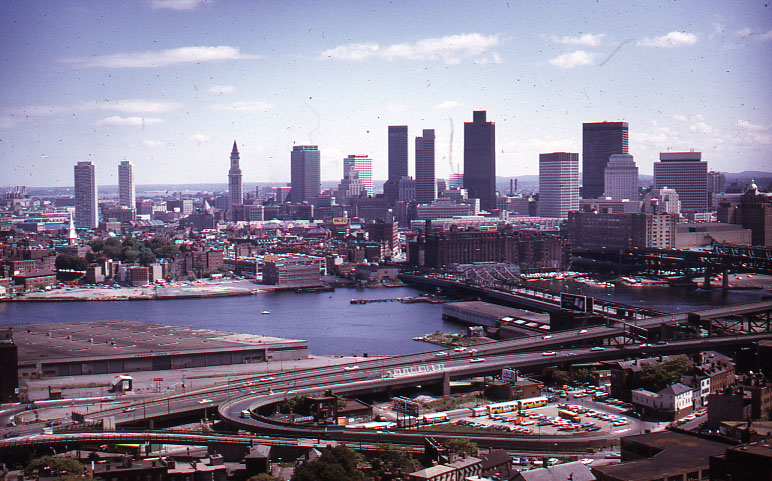
Standing tall against the backdrop of Boston’s vibrant skyline, the Bunker Hill Monument is not just an impressive structure but a poignant reminder of a pivotal moment in American history. This obelisk, reaching a height of 221 feet, commemorates the Battle of Bunker Hill, fought on June 17, 1775. This early clash of the American Revolutionary War saw Massachusetts’ militias, joined by soldiers from Connecticut, New Hampshire, and Rhode Island, face off against the seasoned British army.
The origins of the battle are steeped in the growing tensions between the colonies and the British crown. As colonial discontent simmered, the confrontation at Bunker Hill became emblematic of the fight for independence. Although the British emerged victorious, they suffered heavy casualties, leading to the famous command, “Don’t fire until you see the whites of their eyes.” This phrase, attributed to Colonel William Prescott, reflects the determination and valor of the colonial forces, who, despite being outgunned and outnumbered, fought fiercely for their cause.
Art and Architecture
Constructed between 1825 and 1843, the Bunker Hill Monument is a striking example of Greek Revival architecture, designed by architect Charles Bulfinch. The obelisk, made of granite, is not only a tribute to the soldiers who fought bravely but also a symbol of the Enlightenment ideals of liberty and democracy. Its clean lines and imposing stature evoke a sense of strength and resilience.
Visitors can climb the 270 steps to the top of the monument, where they are rewarded with breathtaking views of the Charles River and the bustling city of Boston. The monument is accompanied by a visitor center that features exhibits detailing the battle and its significance. The surrounding Bunker Hill Park, with its lush greenery and well-maintained paths, invites reflection and contemplation.
Local Culture and Traditions
The Bunker Hill Monument is more than just a historical site; it is a cornerstone of local culture and pride. Every year, the anniversary of the battle is commemorated with various events, including reenactments and educational programs that attract both locals and tourists. The Bunker Hill Day celebrations, although not as widely recognized as other local holidays, reflect the community’s commitment to honoring its history.
In the shadows of the monument, the neighborhood of Charlestown thrives with its rich maritime heritage. The local community indulges in traditional New England customs, often gathering for seasonal festivals that celebrate the area’s history and culture. From the charming streets lined with 19th-century homes to the vibrant waterfront, Charlestown exudes a sense of belonging and community spirit.
Gastronomy
No visit to Bunker Hill would be complete without indulging in the local cuisine. Just a short walk from the monument, you’ll find eateries serving up classic New England fare. Try a bowl of clam chowder, a creamy soup that is a staple in this coastal region, or savor a lobster roll filled with fresh lobster meat and a dash of mayonnaise.
For those with a sweet tooth, the Boston cream pie is a must-try dessert, though it’s actually a cake rather than a pie. Pair your meal with a local brew from one of the nearby breweries or enjoy a cup of New England coffee, known for its smooth and rich flavor. The culinary scene around the monument captures the essence of the region, combining history with a modern twist.
Lesser-known Curiosities
While the Bunker Hill Monument is widely recognized, there are fascinating details that often elude visitors. For instance, the monument was originally intended to be topped with a statue of a soldier, but budget constraints led to the decision to leave it as a simple obelisk. Additionally, the original plans for the monument included a far more elaborate design, which would have featured a larger base and a spacious observatory.
Another intriguing fact is that the monument was a point of contention during its construction. The project faced delays due to a lack of funding and political disagreements, reflecting the turbulent times of the early 19th century. Today, the site serves as a reminder of both the sacrifices made during the revolution and the ongoing journey toward unity and independence.
Practical Visitor Information
The best time to visit the Bunker Hill Monument is during the warmer months, from May to October, when the weather is pleasant and the surrounding park is in full bloom. Arrive early in the day to avoid crowds, especially on weekends.
When visiting, don’t forget to check out the Bunker Hill Museum, located nearby, which houses artifacts from the battle and provides deeper insights into the events that unfolded. Be sure to wear comfortable shoes for the climb, as the steps can be steep and narrow.
As you explore this historic site, take a moment to reflect on the bravery of those who fought for freedom. The Bunker Hill Monument stands not only as a tribute to the past but also as an inspiration for future generations.
For a personalized itinerary to discover more about Boston's rich history, consider using the Secret World app for tailored suggestions.


