
← Back

The Cagsawa Ruins

Daraga, 4501 Provincia di Albay, Filippine ★★★★☆ 1,995 views
Klara Simons
Daraga
🏆 AI Trip Planner 2026

Get the free app

Discover the best of Daraga with Secret World — the AI trip planner with 1M+ destinations. Get personalized itineraries, hidden gems and local tips. Free on iOS & Android.

🧠 AI Itineraries 🎒 Trip Toolkit 🎮 KnowWhere Game 🎧 Audio Guides 📹 Videos
Scan to download iOS / Android
Scan for AppGallery Huawei users

About The Cagsawa Ruins

The Cagsawa Ruins - Daraga | Secret World Trip Planner

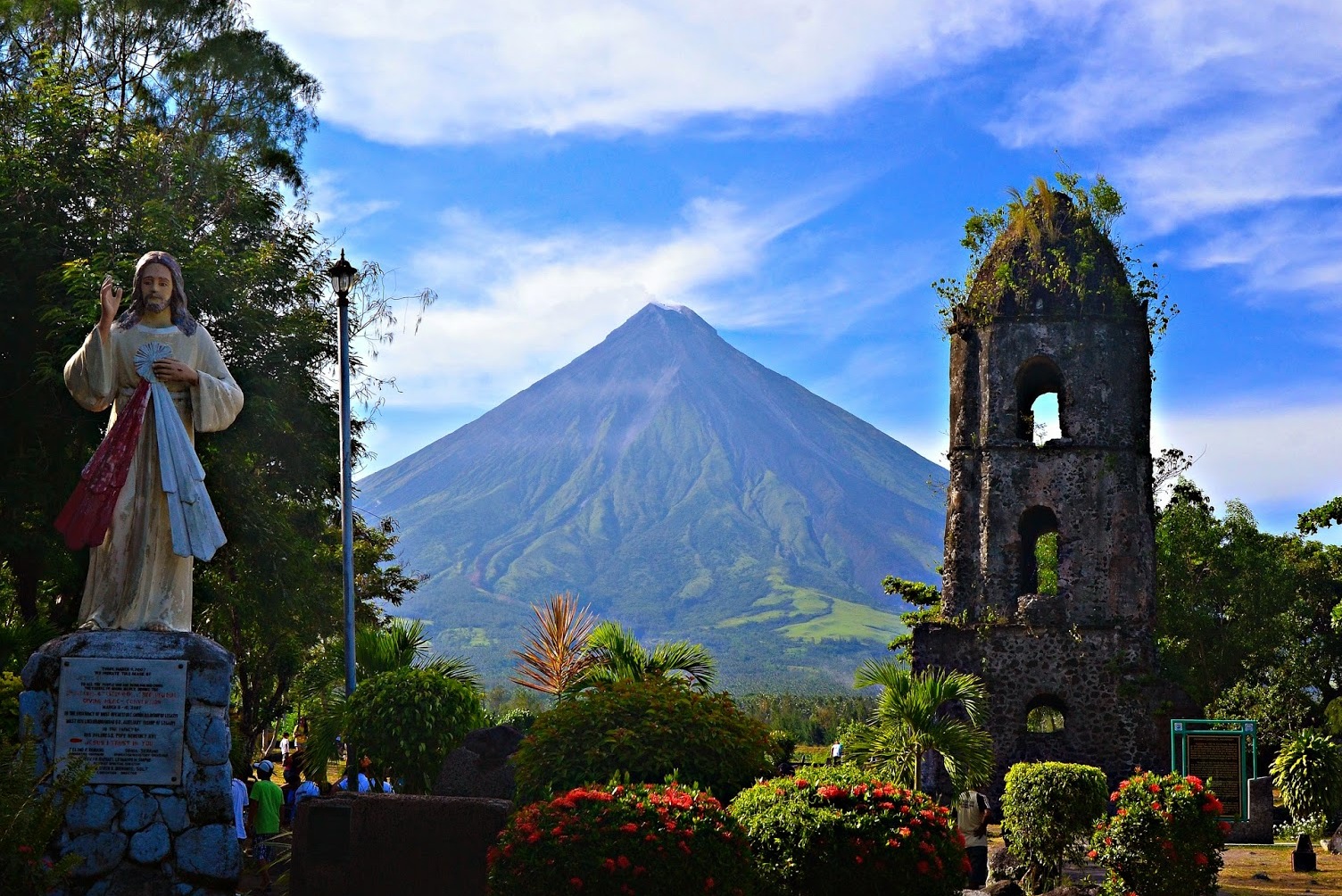
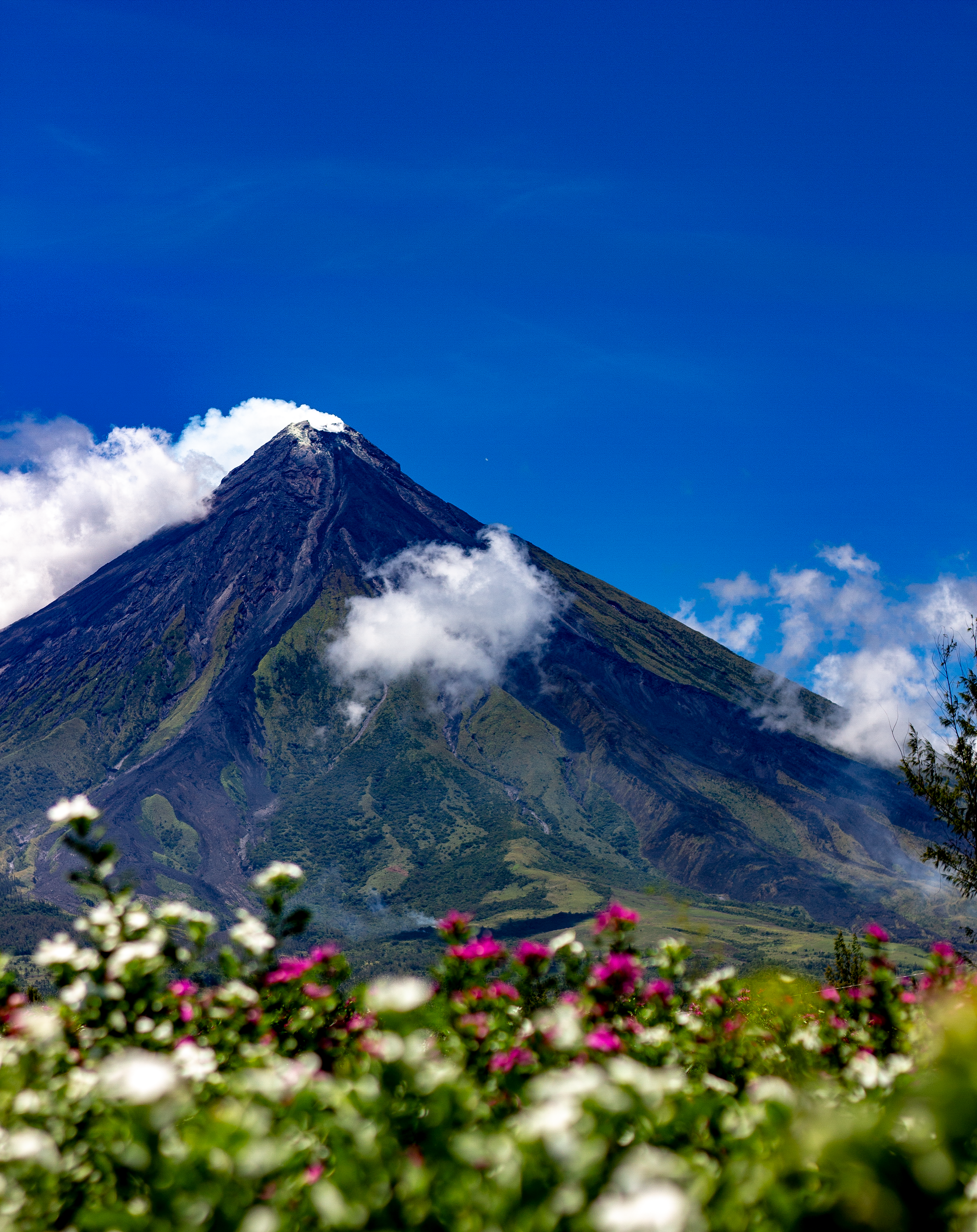
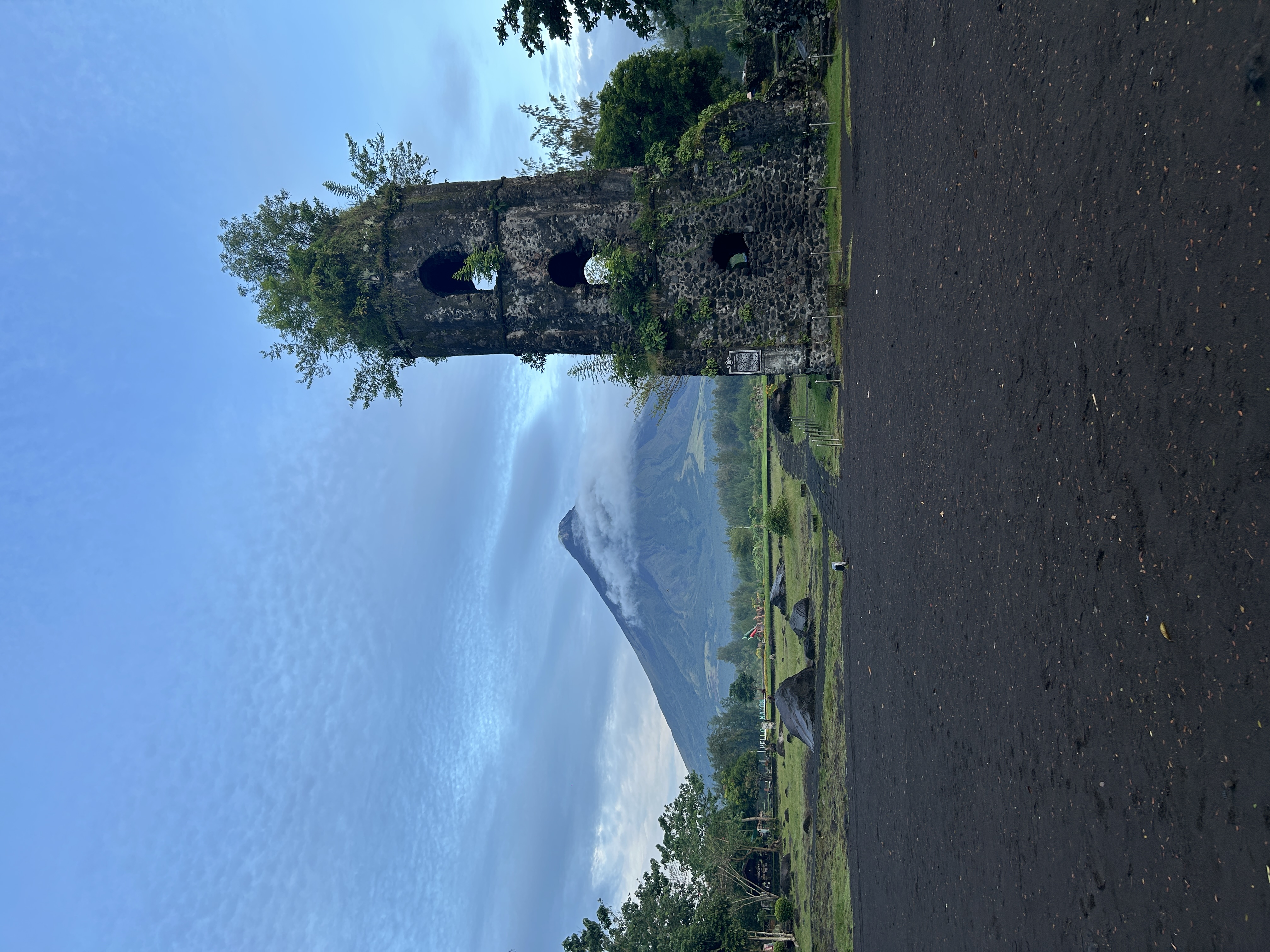
The Cagsawa Ruins, sometimes spelled as Kagsawa, are remnants of a historic Franciscan church from 16 century that is located in the Barangay Busay of the Municipality of Daraga in the Bicol Region, within the Republic of the Philippines.It was originally built in the town of Cagsawa in 1587 but was burned down and destroyed by Dutch pirates in 1636. It was rebuilt in 1724 by Fr. Francisco Blanco, but was destroyed again, along with the town of Cagsawa, on February 1, 1814, during the eruption of the Mayon Volcano.The ruins of the Cagsawa church now stands as the site of the Cagsawa Ruins Park, one of the most popular tourist destinations in Albay. It is also the site of the Cagsawa Branch of the National Museum of the Philippines, also known as the Cagsawa National Museum. The museum was established on land that was donated by the municipality of Daraga to the National Museum on January 26, 1981. It was formally inaugurated on October 30, 1992 and is the third largest regional branch of the National Museum. It houses a collection of photographs of the volcanic eruptions of Mount Mayon as well as various geological and archeological exhibits.
The Cagsawa Ruins - Daraga | Secret World Trip Planner

Buy Unique Travel Experiences

Powered by Viator

See more on Viator.com

Frequently Asked Questions

The Cagsawa Ruins are remnants of a historic Franciscan church originally built in 1587 that was destroyed twice—first by Dutch pirates in 1636, and again on February 1, 1814, during a catastrophic eruption of Mayon Volcano that also destroyed the entire town of Cagsawa. The ruins have stood as a haunting testament to this volcanic disaster ever since.
The Cagsawa Ruins are located in Barangay Busay of the Municipality of Daraga in the Bicol Region of the Philippines. The site is now part of the Cagsawa Ruins Park, one of the most popular tourist destinations in Albay, making it easily accessible to visitors traveling to the region.
Yes, the Cagsawa Branch of the National Museum of the Philippines, also known as the Cagsawa National Museum, is located at the ruins. Formally inaugurated on October 30, 1992, it is the third largest regional branch of the National Museum and houses photographs of Mount Mayon's volcanic eruptions along with geological and archaeological exhibits.
The Cagsawa National Museum was established on January 26, 1981, when the municipality of Daraga donated land to the National Museum, and it was formally inaugurated on October 30, 1992. The museum was created to preserve and showcase the historical significance of the ruins and the 1814 volcanic disaster.
At Cagsawa Ruins Park, you can explore the remnants of the historic 16th-century Franciscan church and visit the museum to view collections of photographs documenting Mount Mayon's volcanic eruptions, as well as various geological and archaeological exhibits. The site offers both historical insight into the region's tragic past and natural geological significance related to the volcano.