
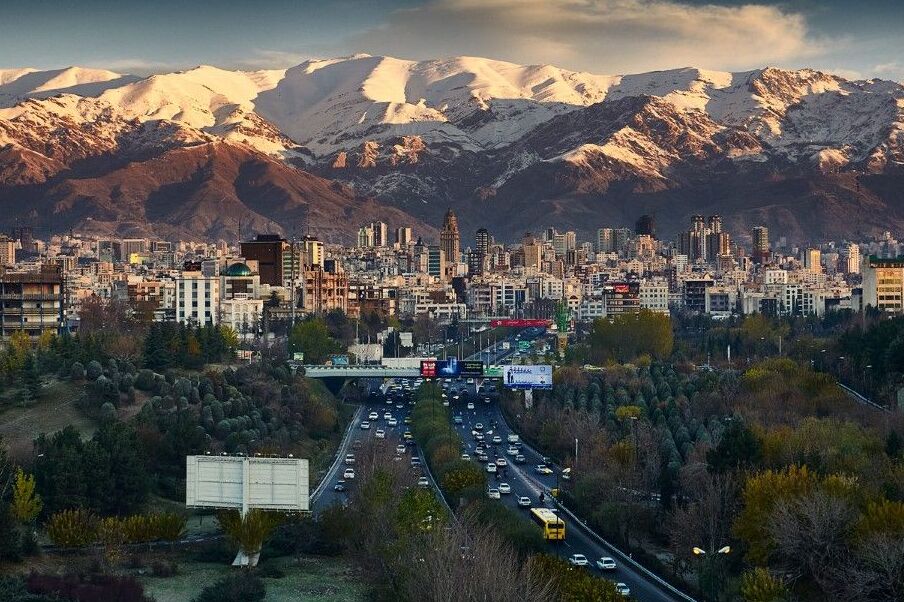

Perched at the foothills of the majestic Alborz Mountains, Tehran, the bustling capital of Iran, is a city where history and modernity converge in a captivating dance. The dramatic silhouette of Mount Tochal provides a stunning backdrop to a metropolis that pulses with energy and echoes with the whispers of an ancient past.
Tehran's history is as layered as its vibrant tapestry of urban life. Though the city itself dates back to the 9th century, it rose to prominence much later, becoming the capital of Persia in 1796 under the rule of Agha Mohammad Khan Qajar, the founder of the Qajar dynasty. This strategic relocation marked the beginning of Tehran’s transformation into a political and cultural hub. The city has since witnessed pivotal events in Iranian history, from the Constitutional Revolution of 1905-1911 to the seismic shifts of the 1979 Islamic Revolution.
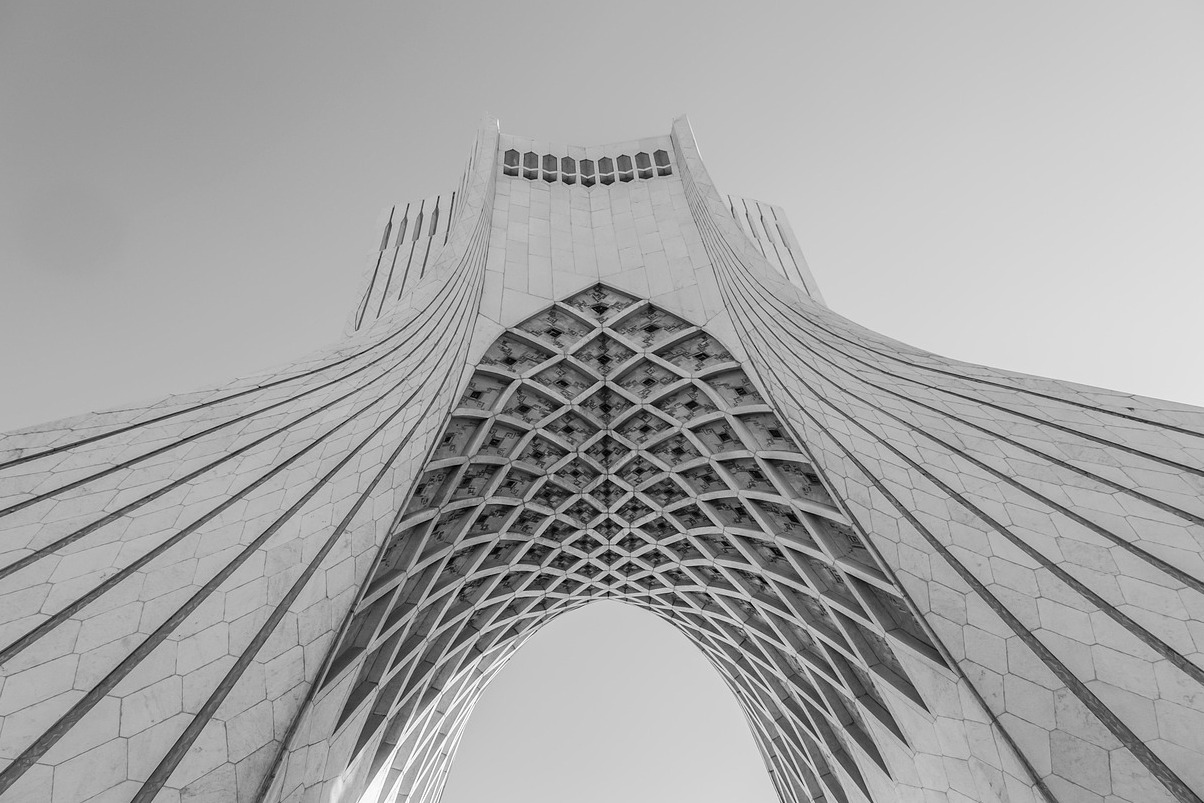
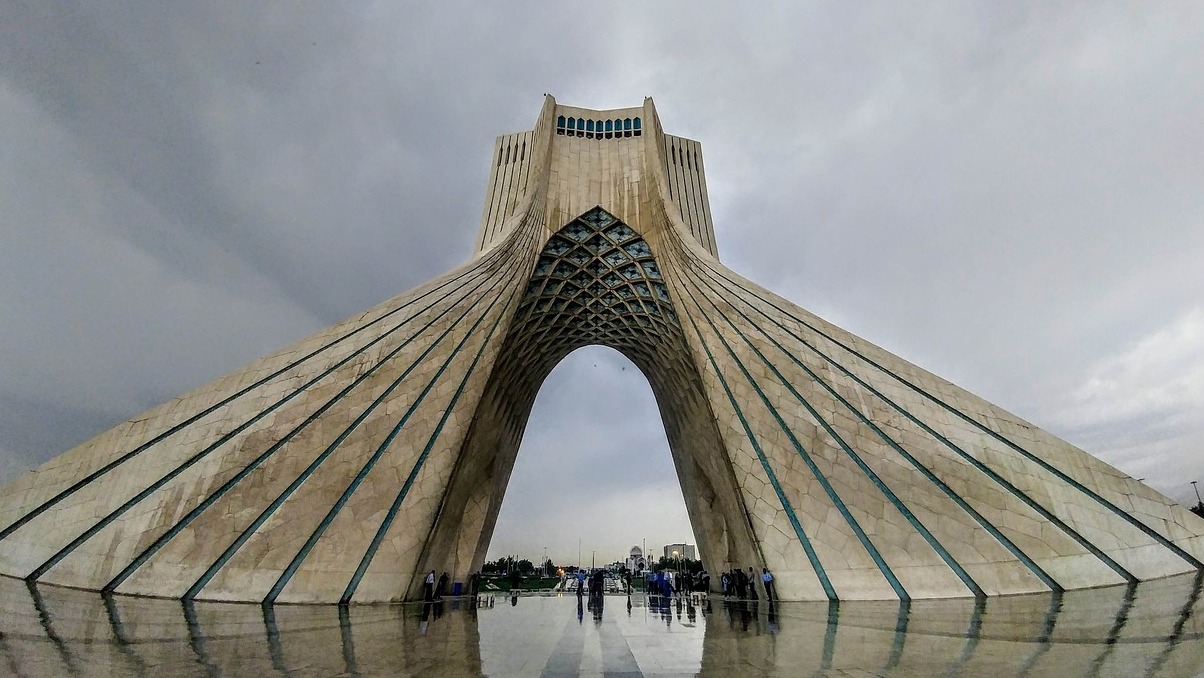
The architectural landscape of Tehran is a testament to its historical evolution, boasting an eclectic mix of styles. The Golestan Palace, a UNESCO World Heritage Site, stands as a shimmering relic of the Qajar era, with its ornate halls and dazzling mirror mosaics. In contrast, the Azadi Tower, built in 1971, soars with modernist ambition, symbolizing Iran's aspirations during the 20th century. Art lovers should not miss the Tehran Museum of Contemporary Art, which houses one of the most important collections of Western modern art outside Europe and North America, featuring works by Jackson Pollock and Andy Warhol alongside Iranian masters.
The heart of Tehran beats to the rhythm of its local culture and traditions. The city is a melting pot of ethnicities and customs, reflected in its diverse festivals and daily life. The vibrant celebration of Nowruz, the Persian New Year, sees the city come alive with markets, music, and a spirit of renewal. Meanwhile, during Muharram, the streets are filled with processions and dramatic reenactments commemorating the martyrdom of Imam Hussein, offering a profound glimpse into the spiritual life of its people.
No visit to Tehran would be complete without indulging in its gastronomy, which offers a tantalizing taste of Persian culinary heritage. The aromatic scent of kebab sizzling on open grills, accompanied by saffron-infused rice, is a staple in local eateries. For a sweet finish, travelers should try faloodeh, a traditional frozen dessert made with thin vermicelli noodles, rose water, and lime juice—a refreshing treat on Tehran's warm afternoons.
Beyond the well-trodden tourist paths lie lesser-known curiosities that reveal the city's hidden layers. The Tehran Times House, for instance, is a fascinating spot for those intrigued by the city's press history, showcasing archives that chronicle pivotal moments in Iranian journalism. Additionally, the enigmatic Darband district, nestled in the mountains, offers a surprising retreat of lush scenery and quaint cafes, perfect for a peaceful escape from the urban hustle.
For those planning their visit, the best time to experience Tehran is during the spring (March to May) or fall (September to November), when the weather is pleasantly mild. To navigate the city, the Tehran Metro provides an efficient and wallet-friendly option, with extensive lines connecting key attractions. Visitors should take note of cultural norms, such as dress codes, which require modest attire in public spaces.
Tehran is a city of contrasts, where the ancient and the avant-garde coexist in a vibrant mosaic. Whether you're exploring its historic palaces or savoring its culinary delights, Tehran invites you to peel back its layers and discover a world of wonders that extend far beyond its storied skyline.


