
← Back

The Carthusian Monastery of Santa Maria de la Defension

Ctra. Jerez Algeciras, Km. 5, 11406 Jerez de la Frontera, Cádiz, Spagna ★★★★☆ 420 views
Lana De Blase
Jerez de la Frontera
🏆 AI Trip Planner 2026

Get the free app

Discover the best of Jerez de la Frontera with Secret World — the AI trip planner with 1M+ destinations. Get personalized itineraries, hidden gems and local tips. Free on iOS & Android.

🧠 AI Itineraries 🎒 Trip Toolkit 🎮 KnowWhere Game 🎧 Audio Guides 📹 Videos
Scan to download iOS / Android
Scan for AppGallery Huawei users

About The Carthusian Monastery of Santa Maria de la Defension

The Carthusian Monastery of Santa Maria de la Defension - Jerez de la Frontera | Secret World Trip Planner

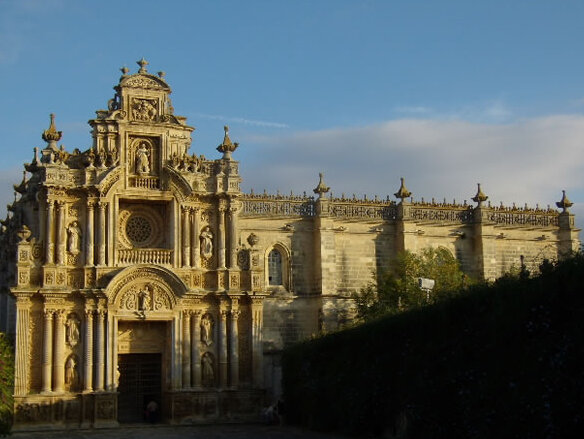
The Carthusian Monastery of Santa Maria de la Defension is located approximately 5 kilometers from the city of Jerez de la Frontera (Jerez – Algeciras road), just next to one of the accesses to the highway Jerez-Seville, between the villages of El Solete Alto and La Cartuja. The monastery was founded in 1476 by Don Álvaro Overtos, a jerezan gentleman descended fro a noble Genoese family. In 1835 this Andalusian Carthusian was expropiated by the State, with which it was abandoned by the monks. The Order of San Bruno recovered it in 1948 and once materially restored it occupies a new community of Carthusians. Carthusian Monastery of Santa María de la Defensión Jerez de la FronteraThe Cartuja de Santa Maria de la Defension is one of the most outstanding and beautiful monasteries of the Carthusian Order in Spain for its artistic quality. Its construction began in 1478 although the majority of its dependencies were realized during the XVI century. In the seventeenth and eighteenth centuries some reforms and extensions were carried out. It should be noted that the church was completed in 1552, is a building of longitudinal plant with a single nave and chapel of the tabernacle, which is covered with splendid vaults of starry cross. Of great artistic important is its facade realized in 1667. It is a stone facade with structure of altarpiece, typical of the Andalusian baroque, characterized for producing and illusion of ascensional movement. Apart from the church, it is possible to emphasize the claustrillo annexed to the temple, , made in the sixteenth century with slender arches and buttresses.

🗺 AI Trip Planner 2026

Plan your visit to Jerez de la Frontera

Suggested itinerary near The Carthusian Monastery of Santa Maria de la Defension

MAJ+
500.000+ travelers worldwide
  1. 🌅
    Morning
    The Carthusian Monastery of Santa Maria de la Defension
    📍 Jerez de la Frontera
  2. ☀️
    Afternoon
    Secret World Review 2026 in Jerez de la Frontera: My Experience
    📍 5.2 km · Jerez de la Frontera

Buy Unique Travel Experiences

Powered by Viator

See more on Viator.com

Explore nearby · Jerez de la Frontera

Frequently Asked Questions

The monastery is located approximately 5 kilometers from Jerez de la Frontera, accessible via the Jerez-Algeciras road near one of the highway accesses to Jerez-Seville, situated between the villages of El Solete Alto and La Cartuja. You can reach it by car following these main routes from the city center.
Founded in 1476 by Don Álvaro Overtos, a nobleman of Genoese descent, the monastery was expropriated by the State in 1835 and abandoned until the Order of San Bruno recovered and restored it in 1948. It remains one of the most outstanding and beautiful monasteries of the Carthusian Order in Spain for its artistic quality.
The church, completed in 1552, features a longitudinal design with a single nave and splendid starry cross vaults covering the chapel of the tabernacle. Its most notable feature is the stunning baroque stone facade completed in 1667, which exemplifies Andalusian baroque architecture with its distinctive altarpiece structure that creates an impressive upward visual movement.
The claustrillo (small cloister) annexed to the temple is particularly noteworthy, constructed in the sixteenth century and characterized by its elegant slender arches and buttresses. This structure showcases fine Renaissance architectural details and complements the overall beauty of the monastery complex.
While construction began in 1478, the majority of the monastery's dependencies were realized during the sixteenth century, with additional reforms and extensions carried out in the seventeenth and eighteenth centuries. The most iconic feature, the baroque church facade, was specifically completed in 1667.
