



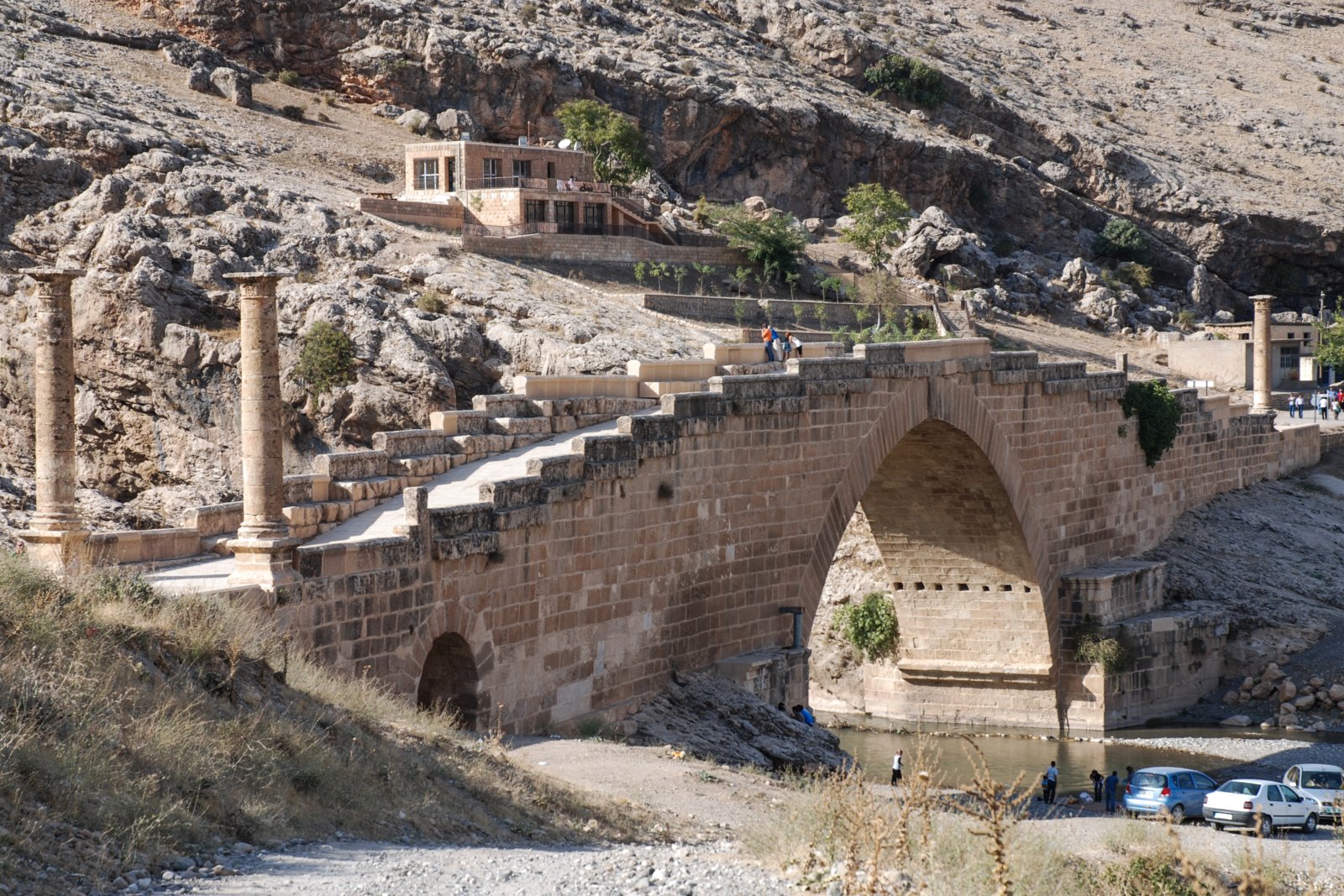
The Cendere Bridge, also known as the Severan Bridge, stands as a testament to ancient Roman engineering and historical significance in southeastern Turkey. Located near the ancient city of Arsameia, this remarkable structure dates back to around 200 BCE, showcasing the ingenuity of the Imperial Roman army and the artistry of the era. Originally constructed by the Legio XVI Gallica to facilitate military operations against Parthia, the bridge is adorned with four magnificent Corinthian-style columns that honor Emperor Lucius Septimius Severus, his wife Julia Domna, and their sons Caracalla and Publius Septimius Geta. This architectural gem is now part of a UNESCO World Heritage Site, nestled within one of Turkey's most significant national parks, inviting visitors to explore its rich history and stunning surroundings.
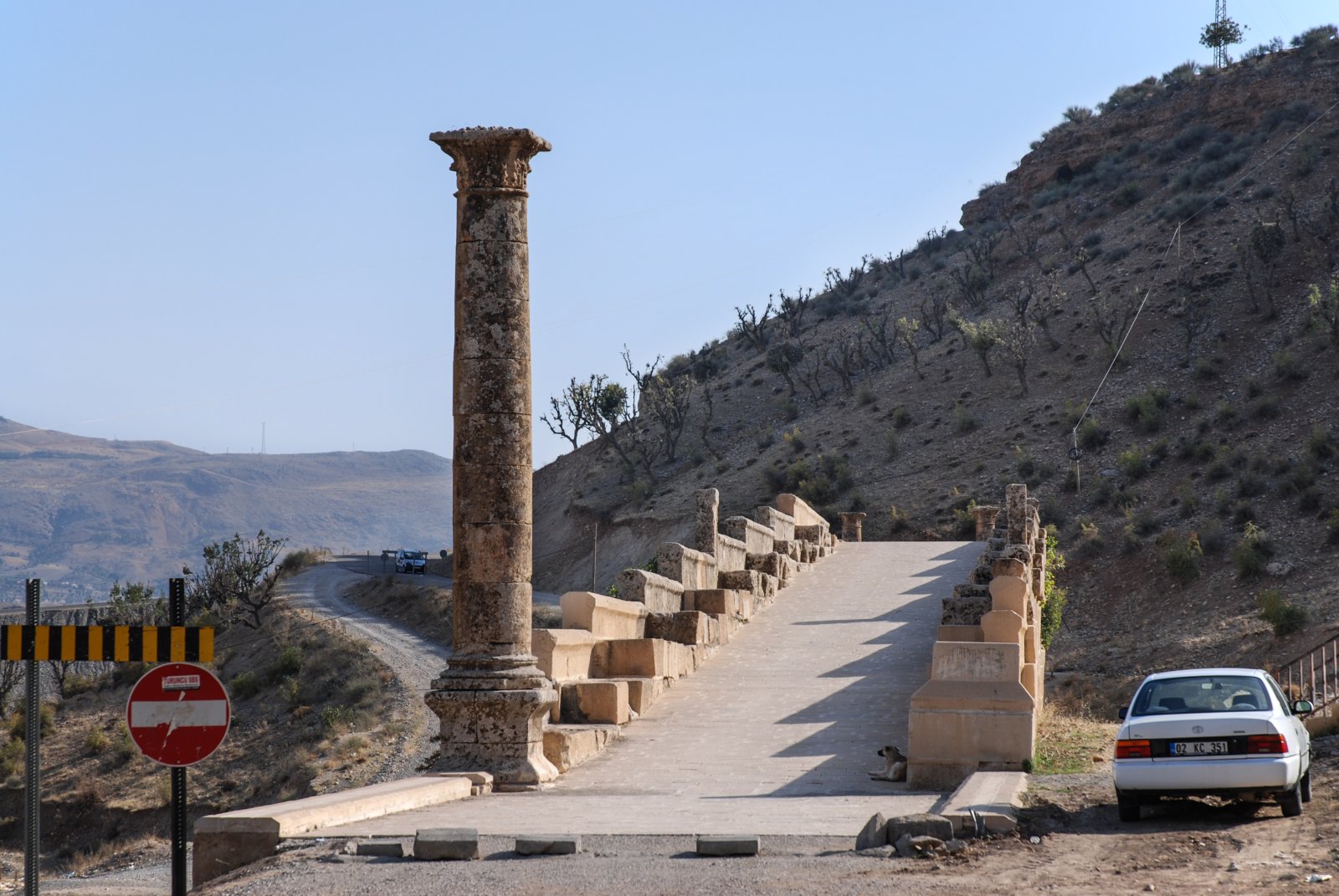
History and Origins The Cendere Bridge was built during a pivotal period in Roman history, around 200 BCE, amid military expansions and territorial conflicts. The Legio XVI Gallica, a formidable legion stationed in the region, constructed the bridge to support military campaigns against the Parthian Empire. This strategic infrastructure facilitated troop movement and trade, solidifying Roman control in the area. The bridge’s enduring legacy is further enriched by its association with Emperor Septimius Severus, who ruled from 193 to 211 CE. His reign marked a significant period of stability and expansion for the Roman Empire, and the bridge served as a vital link between the eastern provinces.
Art and Architecture The Cendere Bridge is an exceptional example of Roman engineering and architectural sophistication. Constructed from large stone blocks, the bridge spans an impressive length and showcases the classic Corinthian style that characterized Roman architecture. The four columns, which stand majestically on either side of the bridge, are not only functional but also serve as a tribute to the Severan family. These columns are adorned with intricate carvings that reflect the artistry of the time, emphasizing the bridge’s cultural significance. The structural design, with its robust arches and enduring materials, has allowed the bridge to withstand the test of time, making it one of the oldest surviving Roman bridges in the world.
Local Culture and Traditions The region surrounding the Cendere Bridge is rich in cultural heritage, with influences from various civilizations that have settled in southeastern Turkey. Local customs often reflect a blend of ancient traditions and modern practices. Festivals celebrating historical events and local crafts take place throughout the year, drawing visitors and locals alike. One notable event is the Arsameia Festival, which celebrates the ancient city’s history and its archaeological significance. During this festival, traditional music and dances fill the air, allowing visitors to immerse themselves in the vibrant local culture.
Gastronomy No visit to the Cendere Bridge area would be complete without indulging in the local gastronomy. The cuisine of southeastern Turkey is characterized by its rich flavors and fresh ingredients. Traditional dishes like kebabs, mezes (appetizers), and baklava are commonly enjoyed. One must-try dish is kebab of Urfa, known for its unique spices and preparation methods. Visitors can also savor local beverages, such as çay (Turkish tea) and ayran (a yogurt-based drink), which complement the region’s culinary offerings beautifully.
Lesser-known Curiosities While many visitors flock to the Cendere Bridge for its historical significance, some intriguing details often go unnoticed. For instance, the bridge’s stones bear marks of ancient tools, hinting at the craftsmanship involved in its construction. Furthermore, local legends speak of hidden tunnels beneath the bridge, believed to have been used by Roman soldiers for secretive movements. These lesser-known stories add an air of mystery to the site, inviting inquisitive minds to explore further.
Practical Visitor Information The best time to visit the Cendere Bridge is during the spring and autumn months when temperatures are mild, making for comfortable exploration. Visitors should take time to admire not just the bridge itself but also the surrounding landscape, which features lush greenery and stunning views. It is advisable to wear comfortable shoes for walking and to bring a camera to capture the breathtaking vistas. Guided tours are available and can provide deeper insights into the bridge's history and significance, enhancing the overall experience.
In conclusion, the Cendere Bridge is more than just an ancient structure; it embodies the rich tapestry of history, culture, and artistry that defines southeastern Turkey. For a personalized itinerary to explore this remarkable destination, consider using the Secret World app to plan your visit.
