



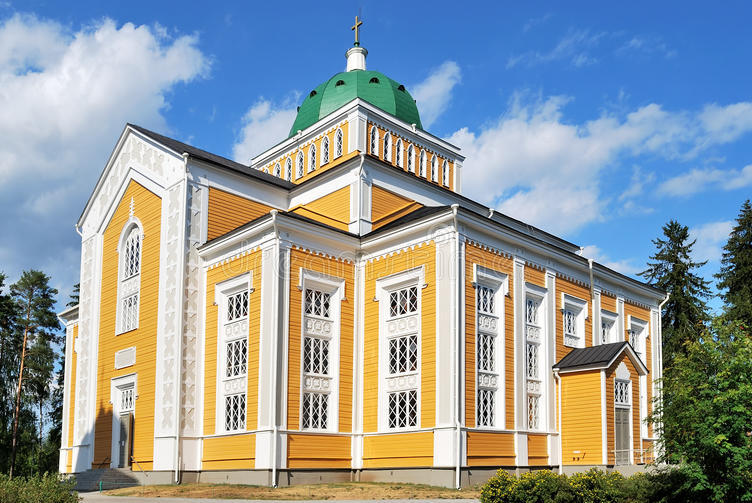
In the tranquil heart of Kerimäki, Finland, lies a monumental testament to human ingenuity and devotion—the Church of Kerimäki. This towering structure, renowned as the world’s largest wooden church, stands as a beacon of history, art, and culture amidst the serene Finnish landscape.
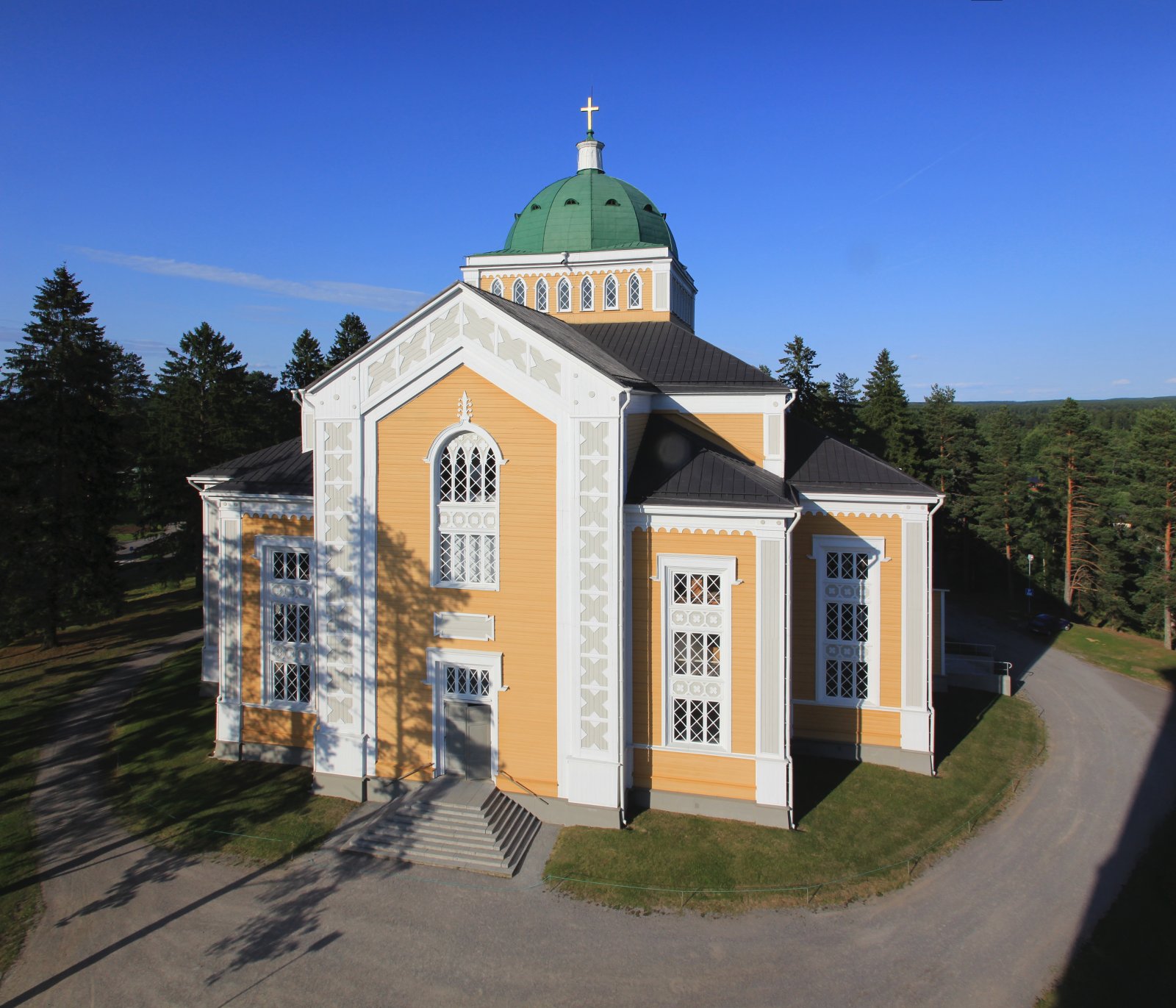
The origins of the Church of Kerimäki date back to the mid-19th century, a period marked by a population boom in the region. The church was completed in 1847 under the guidance of architect Anders Fredrik Granstedt, a notable figure in Finnish architectural history. Granstedt's vision was to accommodate the entire congregation of the parish—over 5,000 people—under one roof, a reflection of the era’s communal spirit and religious fervor. This ambitious project resulted in a structure measuring an astounding 45 meters in length, 42 meters in width, and 27 meters in height, with a dome reaching 37 meters into the sky. The vast interior, with its 1,670 meters of pews, can seat more than 3,000 attendees, making it not only a place of worship but also a community gathering center.
Architecturally, the Church of Kerimäki is a masterpiece of neoclassical design, characterized by its symmetry, grandeur, and simplicity. Its wooden framework is an ode to the region's rich forestry traditions and skilled craftsmanship. The church's exterior is painted in a soft yellow hue, harmonizing with the natural surroundings and the building's wooden essence. Inside, the altar and pulpit are adorned with intricate carvings and paintings that reflect the artistic traditions of 19th-century Finland. Notable among these is the altarpiece depicting the Ascension of Christ, a work that captivates visitors with its serene yet powerful imagery.

Beyond its architectural and artistic significance, the Church of Kerimäki plays a vital role in the local culture. The church is central to the community's spiritual life and hosts numerous festivals and events throughout the year. One of the most anticipated is the annual Christmas concert, where the church's remarkable acoustics come alive with the sounds of carols and hymns, drawing locals and visitors alike into its warm, wooden embrace.
The church also stands as a cultural symbol during Midsummer, a time when Finns celebrate the longest day of the year with joyous festivities. The church's doors remain open for visitors to experience the unique ambiance of midnight sun filtering through its large windows, casting ethereal shadows across the nave.
Kerimäki’s culinary landscape is as rich and inviting as its cultural heritage. Visitors can savor traditional Finnish dishes such as kalakukko, a savory fish pie that hails from the nearby region of Savonia, or indulge in karjalanpiirakka, a beloved Karelian pastry filled with rice pudding. Local cafés offer mustikkapiirakka, a delightful blueberry pie celebrating Finland's abundant wild berries, often served with a dollop of creamy vanilla sauce.
While the Church of Kerimäki's size and beauty are evident, there are lesser-known curiosities that intrigue the more inquisitive visitor. During harsh winters, when the church's vast interior becomes difficult to heat, services are held in a smaller adjoining chapel, affectionately known as the "Winter Church." This practical adaptation underscores the community’s resilience and ingenuity.
For those planning a visit, the best time to experience the Church of Kerimäki is during the summer months, from June to August, when Finland's weather is most welcoming. The church is open daily, and visitors are encouraged to take a guided tour to fully appreciate its historical and architectural nuances. As you explore, look for the discreet inscriptions on some of the pews, which are said to be the handiwork of past parishioners, offering a personal glimpse into the church's living history.
In conclusion, the Church of Kerimäki is more than just a record-holder; it is a living piece of Finnish heritage, a place where history, art, and community converge. Whether you are drawn by its architectural grandeur, its role in local culture, or the simple beauty of its wooden walls, this church offers an unforgettable journey into the heart of Finland's spiritual and artistic traditions.
