← Back

The church of Paroikia, the Saint Sophia of the Aegean

Prompona 18, Paros 844 00, Grecia ★★★★☆ 277 views
Ronda Kennedy
Paros
🏆 AI Trip Planner 2026

Get the free app

Discover the best of Paros with Secret World — the AI trip planner with 1M+ destinations. Get personalized itineraries, hidden gems and local tips. Free on iOS & Android.

🧠 AI Itineraries 🎒 Trip Toolkit 🎮 KnowWhere Game 🎧 Audio Guides 📹 Videos
Scan to download iOS / Android
Scan for AppGallery Huawei users

About The church of Paroikia, the Saint Sophia of the Aegean

The church of Paroikia, the Saint Sophia of the Aegean - Paros | Secret World Trip Planner

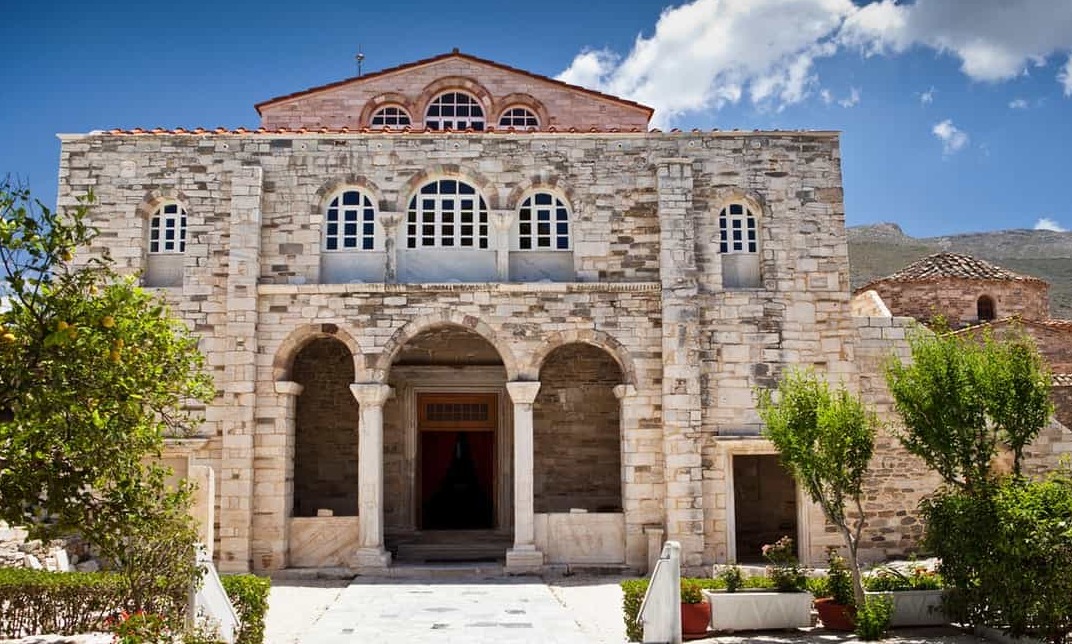
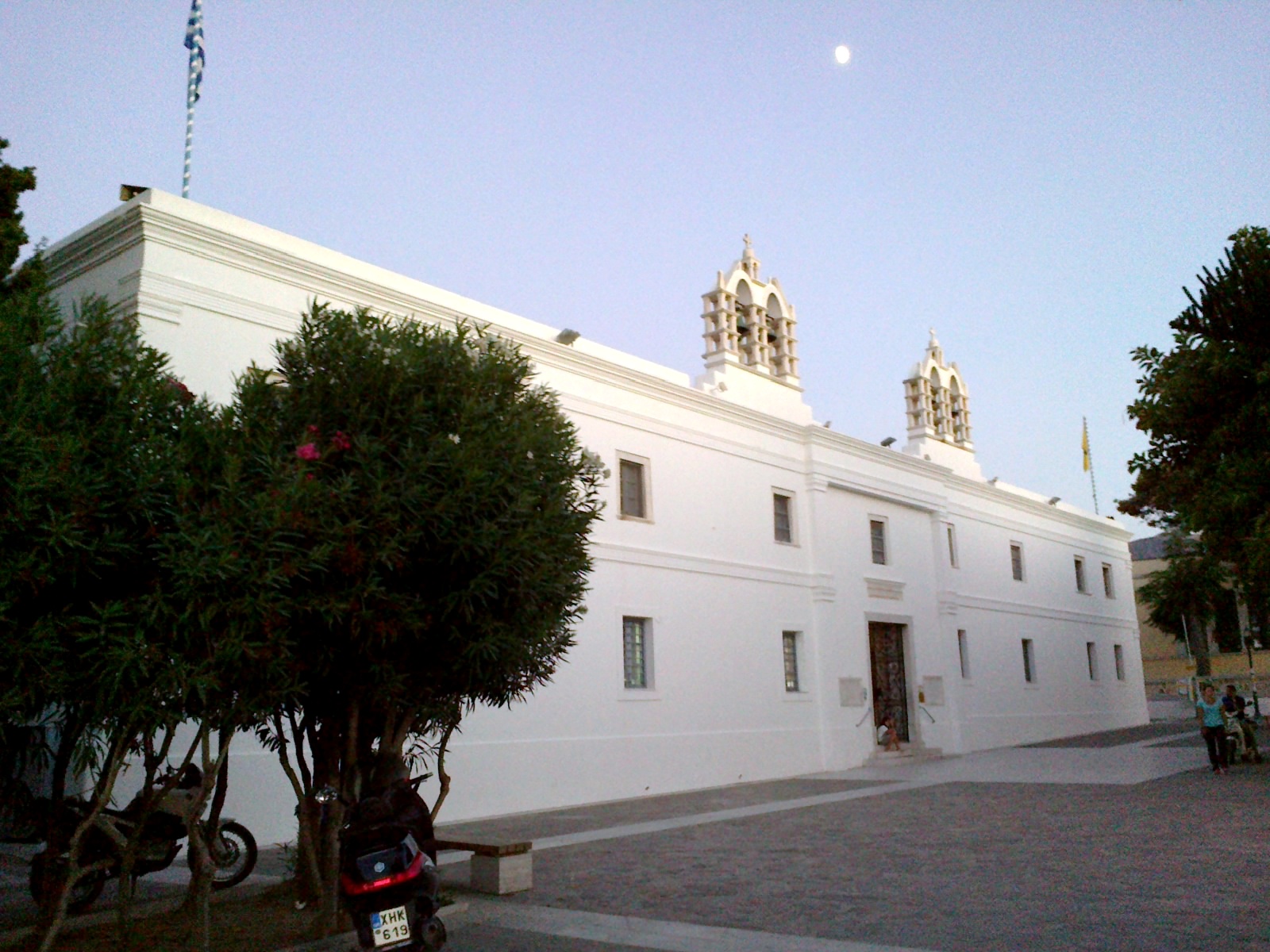
The church of Paroikia known as Panagia Ekatontapyliane (which in Italian becomes "church of the 100 doors" or also "Our Lady of the 100 doors" of Paros), or also Katapoliane, is undoubtedly one of the most important Christian monuments of the Cyclades. It is located in the centre of Paroikia in Paros, and is definitely worth a visit. The charm of this church is in its simple and essential lines. The legend reported by all guidebooks is that this church was founded by Flavia Julia Helena, the mother of Emperor Constantine I, when she stopped in Paros in 326 AD on her way to Jerusalem in search of the Holy Cross. More elaborate versions add a storm to which Helen had escaped before arriving in Paros, and the reason for the foundation then due to thanksgiving for having come out alive. Other variants report that Helen decided to build a large church, but then left the task to her son Constantine. The original structure was a church with three naves, built on the remains of an ancient building, probably a gymnasium. The baptistery should date back to the same period of construction as the original church. A later expansion should date back to the time of Emperor Justinian I, who replaced the original roof with a new one and added the dome. The church is also known as the "Saint Sophia of the Aegean". The church was originally dedicated to the "Dormition of Mary" (according to the Catholic Church, Mary did not die, but only fell into a deep sleep and was then assumed into heaven). From the 16th century the church was referred to as Katapoliane (meaning "near the centre" of the city) then corrupted into Ekatontapyliane (meaning "of the hundred gates") without any real connection with the church. In antiquity the only reference to the hundred gates has nothing to do with Paros and this church: Homer refers to Thebes as the city of a hundred gates. In particular this church does not have a hundred gates at all. The original structure had three naves covered by a wooden roof, then enlarged and covered in masonry under the emperor Justinian. On the sides of the naves there are several chapels, of which the oldest and most important is the chapel of St. Nicholas (bottom left). In the original construction and subsequent restoration and enlargement, many ancient elements and marbles have been re-used: columns and architraves from the Hellenistic period, as well as part of the altar, and two columns and a mosaic survive from the Roman gymnasium on which the church was built. Another Roman mosaic representing the Labours of Hercules, also from this gymnasium, is now on display at the Archaeological Museum of Paros. The oldest frescoes are those preserved in the baptistery, and date back to the XI-XII century AD.
The church of Paroikia, the Saint Sophia of the Aegean - Paros | Secret World Trip Planner
🗺 AI Trip Planner 2026

Plan your visit to Paros

Suggested itinerary near The church of Paroikia, the Saint Sophia of the Aegean

MAJ+
500.000+ travelers worldwide
  1. 🌅
    Morning
    The church of Paroikia, the Saint Sophia of the Aegean
    📍 Paros
  2. ☀️
    Afternoon
    Museum of Cycladic Folklore
    📍 9 km · Paros
  3. 🌆
    Evening
    The Portara, the symbol of the island of Naxos...
    📍 19.8 km · Paros

Buy Unique Travel Experiences

Powered by Viator

See more on Viator.com

Explore nearby · Paros

Frequently Asked Questions

According to legend, the church was founded by Flavia Julia Helena, mother of Emperor Constantine I, in 326 AD when she stopped in Paros on her way to Jerusalem searching for the Holy Cross. Some versions of the story mention that Helena survived a storm before arriving in Paros and built the church as a thanksgiving for her safe arrival.
The name 'Ekatontapyliane' (meaning 'of the hundred gates') is actually a corruption of the earlier name 'Katapoliane' (meaning 'near the centre') that emerged from the 16th century onwards. Despite its name, the church does not actually have a hundred doors, and the reference to hundred gates comes from Homer's description of Thebes, not from this church.
Emperor Justinian I expanded the church during his reign by replacing the original wooden roof with a new one and adding a dome to the structure. These modifications transformed the original three-nave basilica design into what visitors see today.
The church was originally dedicated to the 'Dormition of Mary,' which refers to Mary's deep sleep and subsequent assumption into heaven according to Catholic doctrine. The original structure was built on the remains of what was probably an ancient gymnasium, with the baptistery dating back to the same construction period.
The Church of Paroikia is located in the centre of Paroikia in Paros and is considered one of the most important Christian monuments of the Cyclades islands. Its charm lies in its simple and essential architectural lines, and it is definitely worth a visit for those interested in Byzantine history and religious architecture.