


From the roof of the Dominican convent of San Filippo Neri, Sucre reveals itself in all its colonial geometry: a stretch of white domes, bell towers, and inner courtyards that extends to the hills surrounding the constitutional capital of Bolivia. This 17th-century building is one of those places that tourists brush past while strolling through Plaza 25 de Mayo, unaware that simply climbing an internal staircase leads to one of the most unusual panoramic terraces in all of South America.

The complex, built during the Spanish colonial period and linked to the Dominican order, preserves a cloister from the 17th century in a remarkably intact state. The arches of white limestone, the shaded corridors, and the central garden tell the monastic life of three centuries ago with a concreteness that few museums can match. The most remarkable thing is that, despite Sucre being a UNESCO World Heritage site since 1991, this convent remains largely ignored by mass tourist circuits.
The 17th-century cloister: architecture to observe up close
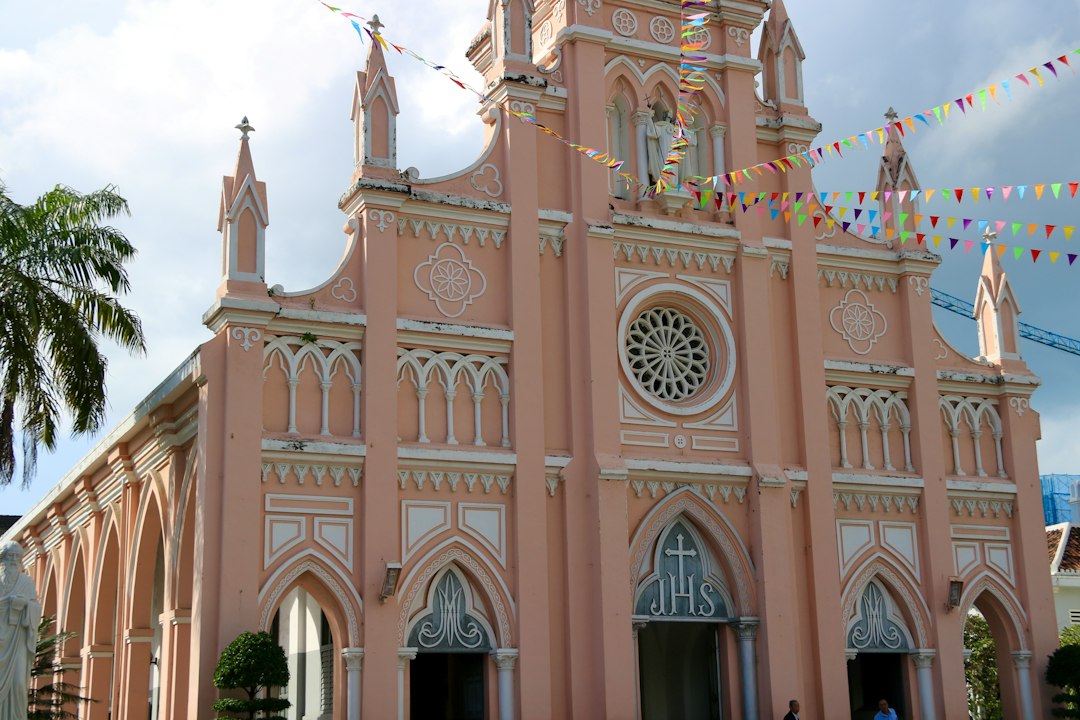
Upon entering the complex, the first impression is with the inner cloister, which represents one of the best-preserved examples of colonial convent architecture in Bolivia. The columns made of local stone, the round arches, and the sculpted capitals showcase the typical synthesis of Andean colonial style: European forms reinterpreted by indigenous craftsmen, with decorative details that mix Christian motifs and symbols of local tradition. Walking along the corridors of the cloister, one notices the irregularities of the hand-worked stone, the signs of time on the plastered walls, and the niches that once housed devotional statues.
The original terracotta floor, still visible in some sections, and the ceilings with dark wooden beams contribute to creating an atmosphere of authenticity that is hard to find in more frequented religious buildings, where modern restorations tend to smooth out every imperfection. Here, imperfection is an integral part of the charm.
The panoramic terrace: Sucre seen from above
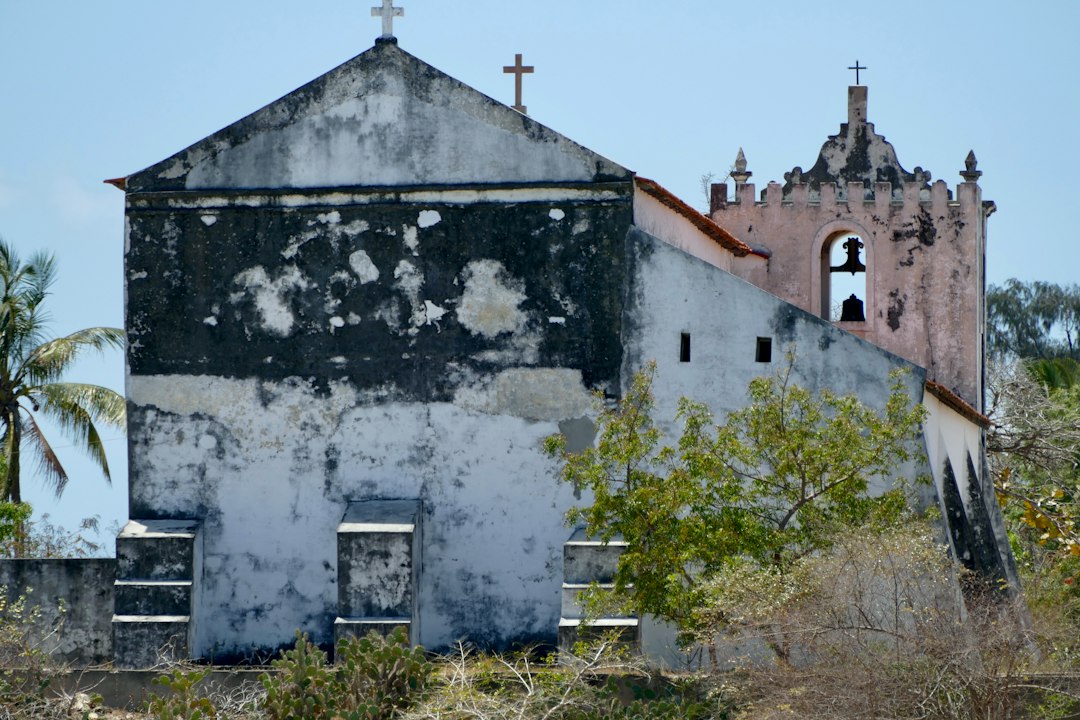
The main reason why it is worth paying the modest entrance fee — generally a few bolivianos, equivalent to one or two dollars — is the walk on the roof. An internal staircase leads to the upper terrace of the church, from which one can gaze at the entire colonial Sucre. From this height, the city reveals its urban coherence: almost all the buildings in the historic center adhere to the low heights and light colors imposed by heritage protection regulations, creating a panorama of rare chromatic uniformity.

To the north, you can see the dome of the Metropolitan Cathedral on Plaza 25 de Mayo, to the east the hills that mark the natural boundary of the city. In the morning hours, when the Andean light is still oblique and the long shadows accentuate the volumes of the buildings, the panorama is particularly clear. Bringing a camera or a smartphone with a good camera is almost mandatory, but simply standing in silence on that terrace, with the Andean wind sweeping across the 2,750 meters of altitude of Sucre, is an experience in itself.
Historical Context: Saint Philip Neri and Colonial Bolivia

Saint Philip Neri, the saint to whom the church is dedicated, was an Italian priest of the 16th century and the founder of the Congregation of the Oratory, canonized in 1622. His figure was associated with pedagogy and religious education, and it is no coincidence that the convent complex in Sucre has also served educational functions over the centuries. The city, founded in 1538 under the name La Plata and later renamed Chuquisaca before taking its current name, was the administrative and religious center of Spanish Upper Peru, home to one of the first universities on the American continent.
In this context, the convents were not merely places of prayer but true cultural centers, with libraries, scriptoria, and schools. The complex of Saint Philip Neri should be understood within this tradition, as part of an urban fabric that made Sucre the most cultured and institutionalized city of colonial Bolivia.
Practical tips for the visit
The best time to visit San Filippo Neri is in the early morning, between 9 and 11, when the light is favorable for photographs from the terrace and the flow of visitors is minimal. In the afternoon, especially on holidays, the convent may be closed or have reduced hours for religious functions. It is advisable to check the opening hours directly on site or at the local tourist office, as they may vary seasonally.
The church is located in the historic center of Sucre, just a few minutes' walk from Plaza 25 de Mayo, and does not require specific transportation to reach it. Allow about 45-60 minutes to calmly visit the cloister, the church, and the terrace. Wear comfortable shoes with non-slip soles, as the stairs leading to the roof can be steep and worn. Finally, bring water with you: the altitude of Sucre is noticeable, and even a short visit can be more tiring than expected for those coming from lower elevations.


