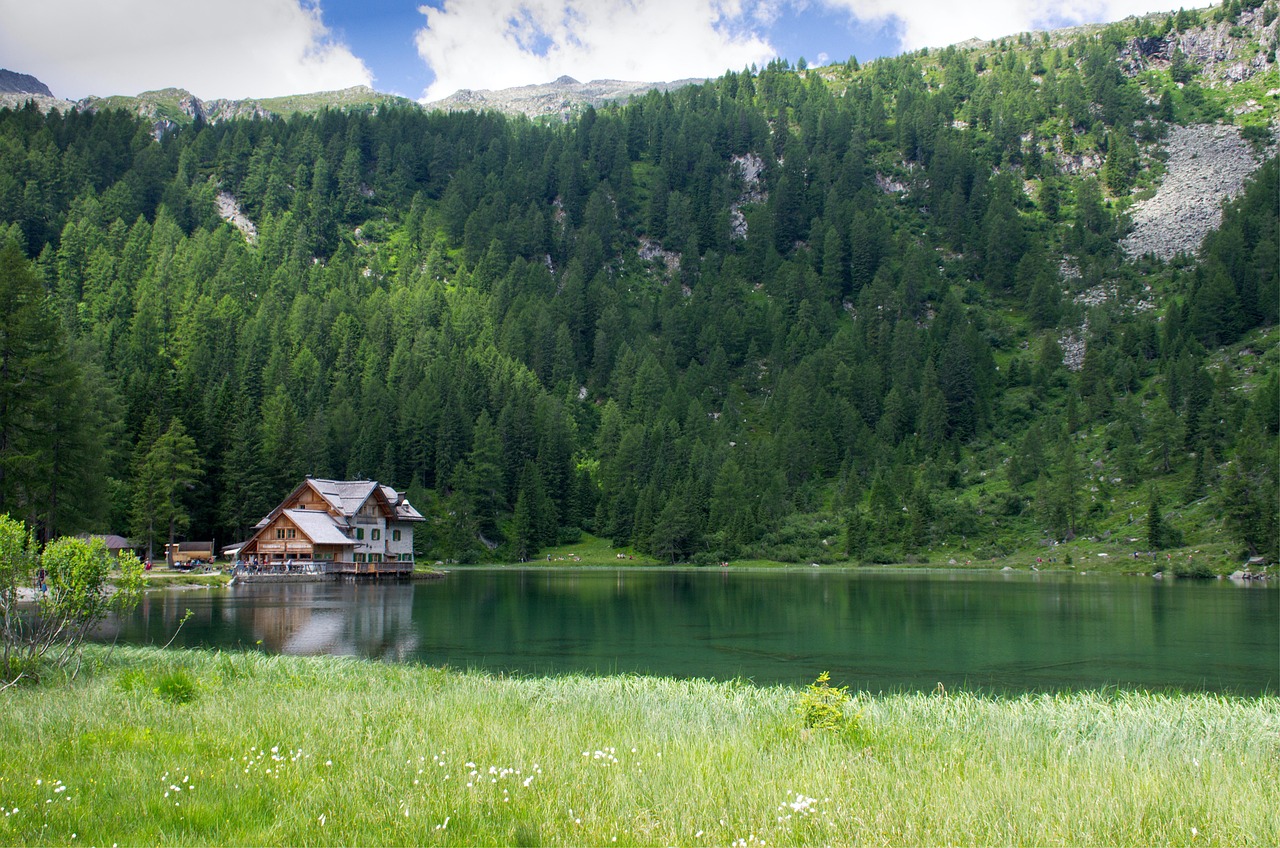
Nestled in the breathtaking landscape of Campiglio, the Church of San Martino stands as a testament to the region's rich history and artistic heritage. This charming fourteenth-century church, crowned by a striking bell tower, is a landmark that captures the essence of Bolzano’s historical narrative.
### History and Origins
The origins of the Church of San Martino date back to 1180, with a notable dedication in 1303. This period marked the establishment of a spiritual haven for the inhabitants of the area, reflecting the growing importance of Christianity in the Alpine region. Over the centuries, the church has experienced numerous renovations, with significant alterations carried out in 1610, when the sacristy was added. Through these changes, the church has not only remained a place of worship but has also served as a focal point for the local community.
As you explore the church, you may come across stories of key historical events that unfolded in its shadow. It was a silent witness to the turbulent history of the area, from the struggles between local tribes to the influence of the Austro-Hungarian Empire. Each stone of the church carries echoes of the past, enriching your visit with a sense of profound history.
### Art and Architecture
Architecturally, the Church of San Martino is a remarkable example of Gothic style, harmoniously blending with the natural beauty of its surroundings. The bell tower, soaring into the sky, is a prominent feature that can be seen from afar, symbolizing the church's role as a guiding light for travelers and locals alike.
Inside, the church is adorned with exquisite artwork that speaks to its artistic significance. The nave features stunning paintings illustrating scenes from the Passion of Christ dating back to 1403. These works, attributed to an artist closely associated with Hans Stotzinger, belong to the Bolzano School and showcase a soft and gentle pictorialism that invites contemplation.
In the apse, visitors can admire frescoes by the Master of Siusi, whose works merge influences from the Veronese style of Altichiero with innovative compositional and architectural solutions characteristic of late 14th-century Italian painting. The colors of these frescoes remain vibrant, a testament to the skill and dedication of their creators, and they offer a window into the artistic movements of the time.
### Local Culture and Traditions
The Church of San Martino is not just an artistic hub; it is deeply embedded in the local culture and traditions. The church plays a central role in community events and religious festivals throughout the year, particularly during Saint Martin's Day on November 11th. This celebration is marked by processions and feasts, where locals come together to honor their patron saint.
Visitors may also encounter traditional Alpine customs, such as the enchanting Krampuslauf during the holiday season, where figures dressed as Krampus roam the streets to usher in the festive mood. Such events highlight the community's vibrant spirit and deep-rooted beliefs, making a visit to the church an immersive cultural experience.
### Gastronomy
No visit to Campiglio would be complete without indulging in the local gastronomy. The region is renowned for its hearty Tyrolean cuisine, which echoes the flavors of both Italian and Austrian culinary traditions. Dishes such as Speck platter, featuring cured ham, cheeses, and artisan bread, are a must-try. Pair it with a glass of Lagrein or Gewürztraminer, two local wines that beautifully complement the region's robust flavors.
For dessert, savor the delightful Strudel, a pastry filled with apples and spices, often served warm with a dollop of cream. Each bite offers a taste of the region's agricultural bounty and culinary finesse, making your journey through Campiglio not only a feast for the eyes but also for the palate.
### Lesser-Known Curiosities
While the Church of San Martino is a captivating destination, several lesser-known curiosities make it even more intriguing. One such detail is the bell tower’s unique gothic spire, which is said to resemble the shapes of the surrounding mountains, symbolizing the harmony between man-made and natural beauty.
Additionally, the church houses a small museum that often goes unnoticed by tourists, featuring artifacts and historical documents that chronicle the church's long history and its influence on the local community. These hidden gems provide a richer understanding of the church's significance beyond its architectural beauty.
### Practical Visitor Information
The best time to visit the Church of San Martino is during the late spring and early autumn months when the weather is mild, and the surrounding landscapes are in full bloom. Early mornings are particularly enchanting, offering a serene atmosphere for reflection and exploration.
When planning your visit, be sure to check local schedules for any special events or services, as these can provide unique opportunities to engage with the community and experience the church in a way that is deeply rooted in local tradition.
For a personalized itinerary that includes not just the Church of San Martino, but also other hidden treasures in the area, consider using the Secret World app to enhance your travel experience.