
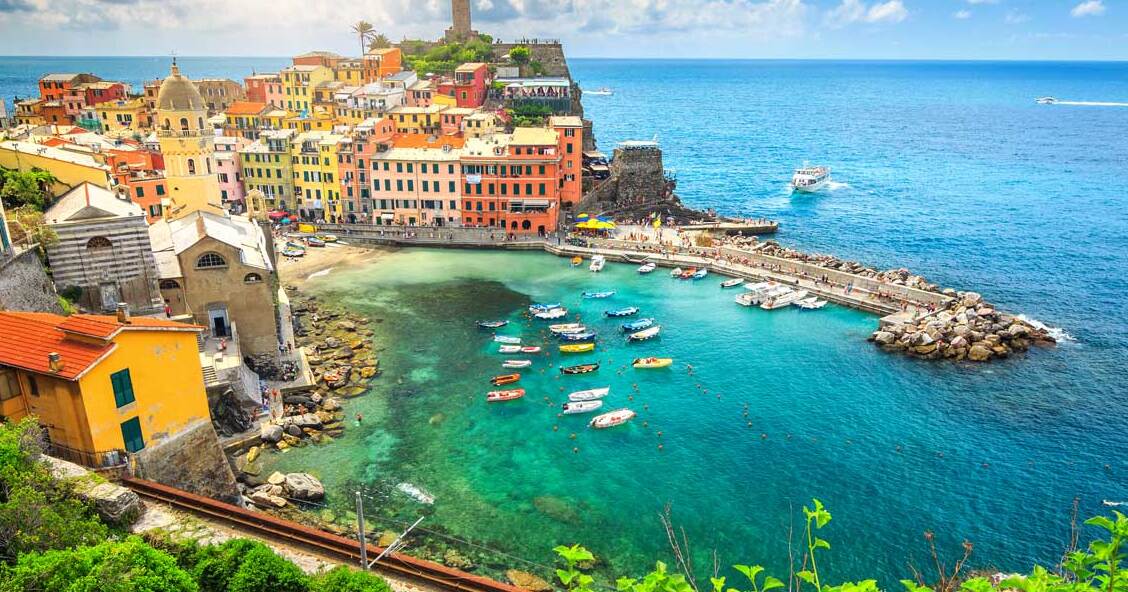

The Cinque Terre is not just a picturesque destination; it is a living tapestry woven from centuries of history, culture, and stunning natural beauty. Nestled along the rugged coastline of Liguria, this collection of five villages—Monterosso al Mare, Vernazza, Corniglia, Manarola, and Riomaggiore—offers visitors a glimpse into a world where time seems to stand still.
History and Origins
The origins of the Cinque Terre date back to the 11th century, when the villages were established primarily as fishing settlements. The rugged terrain and steep cliffs made agriculture difficult, prompting residents to rely heavily on the sea for sustenance. Over the centuries, these villages evolved, fortified against invaders in the Middle Ages. The Genovese Republic held sway over the area, and the remnants of this influence can still be seen in the architecture and layout of the villages. The Via dell'Amore, a scenic path linking Riomaggiore and Manarola, was built in the early 20th century to facilitate the movement of workers between the villages, showcasing not only the ingenuity of the locals but also their desire for connectivity.
Art and Architecture
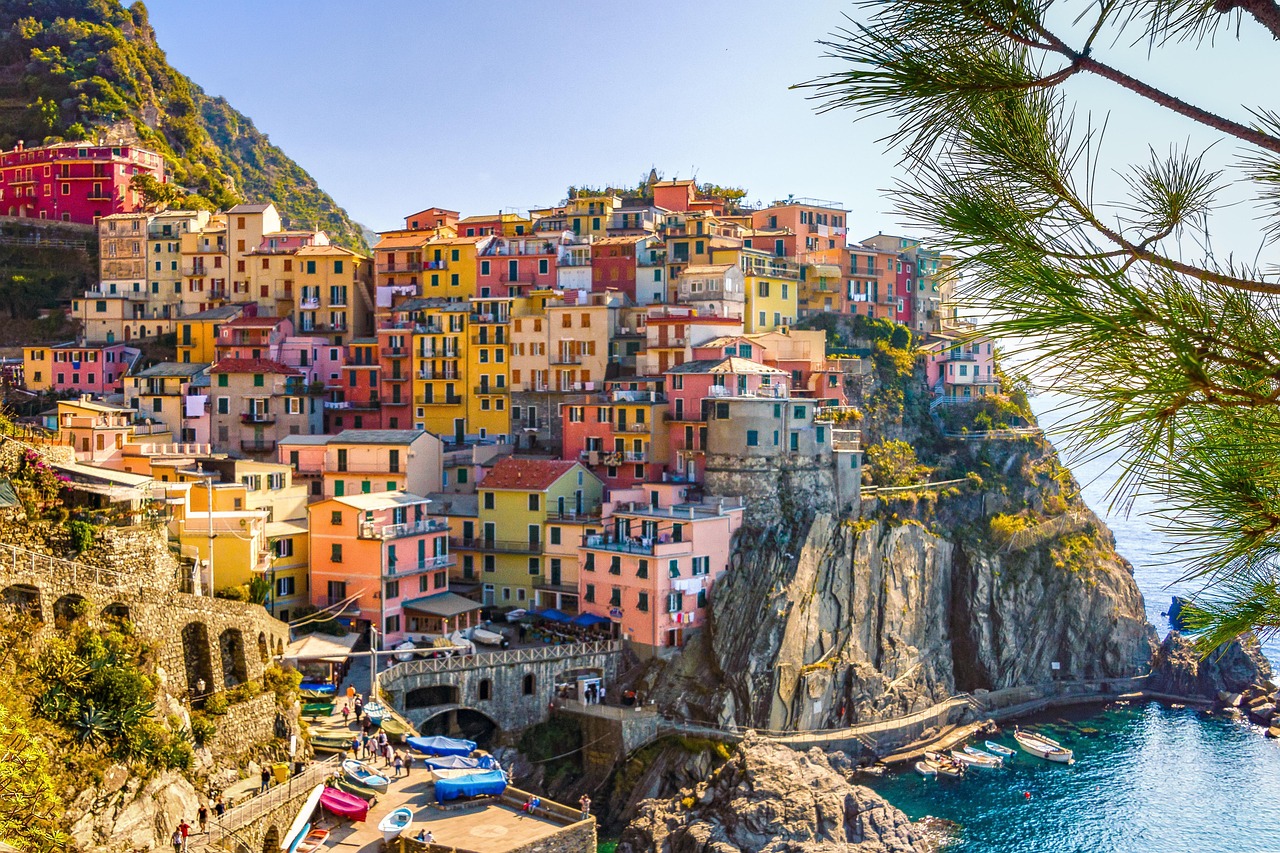
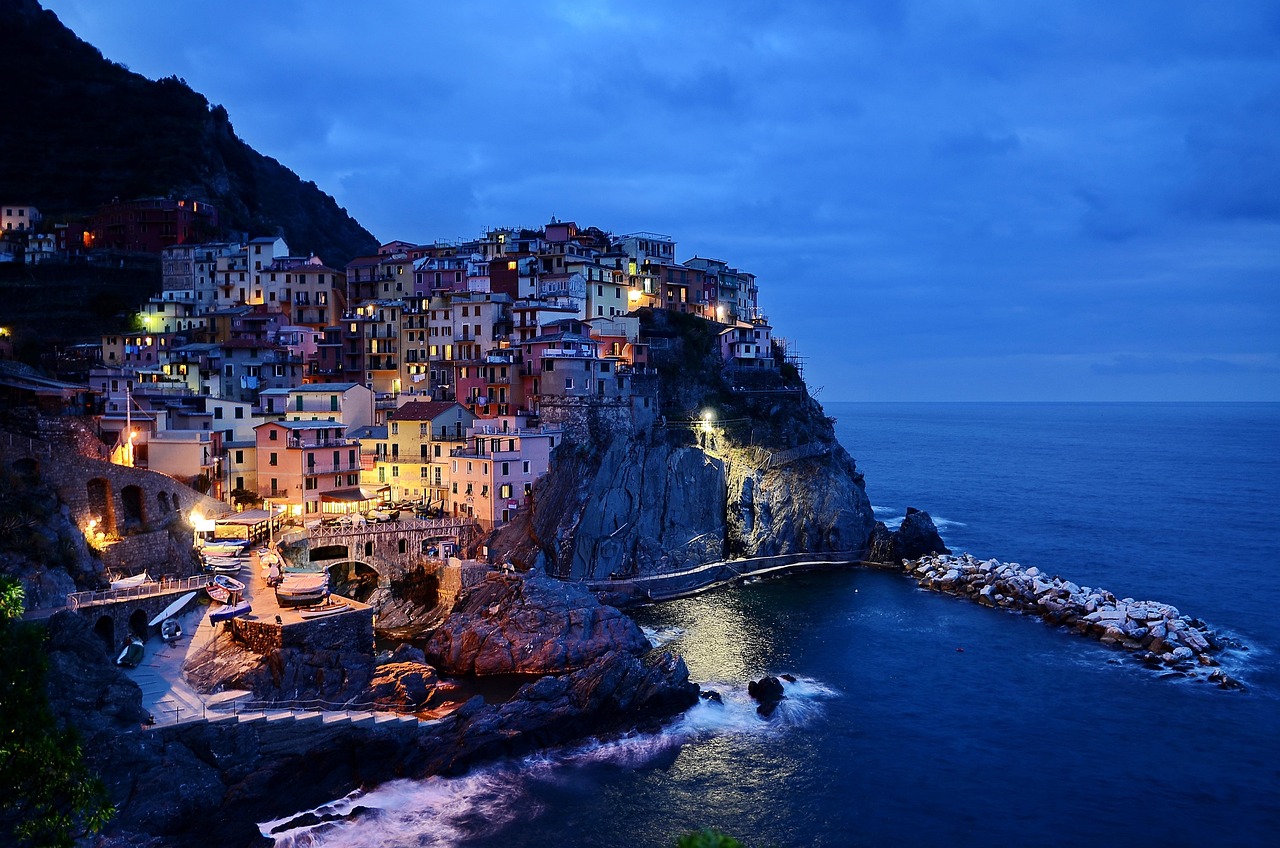
The architecture of the Cinque Terre is a vibrant reflection of its maritime heritage, characterized by colorful houses stacked precariously on cliffs, with their facades painted in hues of ochre, coral, and azure. This unique style is not merely for aesthetics; it is a practical response to the environment, designed to withstand the harsh coastal weather. Notable structures include the Church of San Giovanni Battista in Monterosso, which boasts a striking Romanesque bell tower, and the Santa Margherita di Antiochia Church in Vernazza, known for its impressive Gothic architecture.
Artistic significance extends beyond architecture. The Cinque Terre has inspired countless artists, writers, and musicians. The local painter Giovanni Fattori, part of the Italian Macchiaioli movement, captured the essence of the landscape, and today, galleries and local artisans continue this tradition, offering visitors a chance to take home a piece of this breathtaking region.
Local Culture and Traditions
Life in the Cinque Terre is deeply intertwined with its cultural traditions. The annual Sagra del Limone in Monterosso celebrates the region's famous lemons, which are integral to local cuisine. This lively festival typically features food stalls, music, and local crafts, creating a vibrant atmosphere that attracts both locals and tourists alike. Similarly, the Festa della Madonna di Montenero in Riomaggiore is a colorful procession that honors the village's patron saint, showcasing the community's strong religious ties and deep-rooted customs.
Visitors can also partake in the timeless tradition of fishing, learning techniques passed down through generations. The Cinque Terre National Park offers workshops and guided tours that provide insight into the daily lives of the local fishermen, preserving customs that have shaped the region's identity.
Gastronomy
The culinary offerings of the Cinque Terre are a feast for the senses, heavily influenced by the nearby sea and fertile terraces. Pesto alla Genovese is a must-try, made from fresh basil, garlic, pine nuts, and local olive oil, served with trofie or trenette pasta. The region is also known for its anchovies, particularly those from Monterosso, which are celebrated for their quality and flavor.
Don't miss the chance to sample Sciacchetrà, a sweet dessert wine produced from dried grapes grown on the steep slopes. A glass of this rich wine pairs beautifully with local cheeses and pastries, making for an indulgent treat after a day of exploring.
Lesser-Known Curiosities
While many visitors flock to the famous viewpoints and beaches, the Cinque Terre has hidden gems that often go unnoticed. For instance, the old stone terraces that characterize the landscape are not just beautiful but also serve a crucial role in soil conservation and farming. Additionally, take a moment to explore the hidden beaches accessible only by foot or boat—like Guvano Beach, a secluded spot famed for its natural beauty.
Another fascinating aspect is the local dialects. Each village has its own variant of Ligurian, a language that reflects the unique history and culture of its residents. Listening to the locals converse can offer insights into the rich tapestry of traditions that define the Cinque Terre.
Practical Visitor Information
The best time to visit the Cinque Terre is during the shoulder seasons of spring (April to June) and autumn (September to October). During these months, the weather is pleasantly warm, and the crowds are thinner compared to the peak summer months. Hikers should wear sturdy shoes, as the trails can be steep and uneven.
For those looking to explore the villages, consider purchasing a Cinque Terre Card, which offers unlimited access to the hiking trails and the train service connecting the villages. Remember to take your time, savor the views, and indulge in the local cuisine along the way.
With its breathtaking landscapes, rich history, and vibrant culture, the Cinque Terre is a destination that promises not just sights but stories waiting to be discovered. For a personalized itinerary tailored to your interests, consider using the Secret World app to enhance your visit.


