
← Back

The Citadel of Montevideo

Sarandí 700, 11000 Montevideo, Departamento de Montevideo, Uruguay ★★★★☆ 134 views
Gaia Muller
Montevideo
🏆 AI Trip Planner 2026

Get the free app

Discover the best of Montevideo with Secret World — the AI trip planner with 1M+ destinations. Get personalized itineraries, hidden gems and local tips. Free on iOS & Android.

🧠 AI Itineraries 🎒 Trip Toolkit 🎮 KnowWhere Game 🎧 Audio Guides 📹 Videos
Scan to download iOS / Android
Scan for AppGallery Huawei users

About The Citadel of Montevideo

The Citadel of Montevideo - Montevideo | Secret World Trip Planner

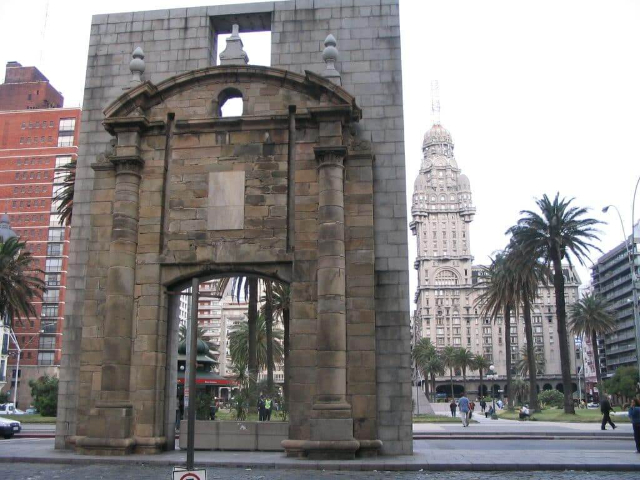
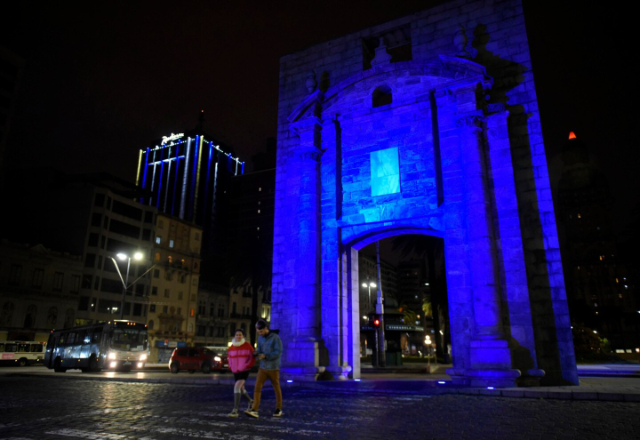
The Montevideo Citadel, also known as "La Fortaleza" or "La Ciudadela," is a fortress built by the Spanish in the 18th century to protect the city from pirates and outside invasions. Construction of the fortress began in 1724, when Montevideo was still a small Spanish colony, and lasted nearly 30 years.The Citadel's architecture is Baroque in style, with thick walls and imposing watchtowers. The fortress occupies an area of about 10 hectares and includes four main gates, each of which was dedicated to a patron saint. In the center of the Citadel is the Plaza de Armas, a large plaza where trials and public executions were carried out.Throughout its history, the Citadel has suffered numerous invasions and attacks. In 1807, the British army attempted to conquer the city and the Citadel was the main target of the assault. However, the Spanish were able to defend the fortress and repel the British attack. This victory was celebrated with a grand military parade that still takes place every year.Another significant event in the history of the Citadel was the 1972 massacre. During Uruguay's military regime, a group of leftist guerrillas took a number of government officials hostage and kept them imprisoned in the Citadel. After several days of failed negotiations, the Uruguayan army surrounded the fortress and launched an attack. About 100 people, including the guerrillas and hostages, lost their lives in the operation.Today, the Montevideo Citadel is a popular tourist and cultural attraction. The fortress houses the Citadel Museum, where you can see an extensive collection of weapons, uniforms and other historical items related to the fortress and the city's history. In addition, the Citadel is still used by the Uruguayan army, but parts of the fortress are open to the public and have been converted into cultural spaces, such as theaters and art galleries. The Citadel's main square is also a popular venue for outdoor concerts and performances.
The Citadel of Montevideo - Montevideo | Secret World Trip Planner
🗺 AI Trip Planner 2026

Plan your visit to Montevideo

Suggested itinerary near The Citadel of Montevideo

MAJ+
500.000+ travelers worldwide
  1. 🌅
    Morning
    The Citadel of Montevideo
    📍 Montevideo
  2. ☀️
    Afternoon
    Solis Theatre
    📍 0.2 km · Montevideo

Buy Unique Travel Experiences

Powered by Viator

See more on Viator.com

Explore nearby · Montevideo

Frequently Asked Questions

The Citadel was constructed starting in 1724 by the Spanish to protect the growing city from pirates and outside invasions, taking nearly 30 years to complete. Built when Montevideo was still a small Spanish colony, it features impressive Baroque architecture with thick walls and watchtowers designed to defend the settlement.
The Citadel now houses the Citadel Museum with an extensive collection of weapons, uniforms, and historical artifacts related to the fortress and city history. Parts of the fortress have been converted into cultural spaces including theaters and art galleries, while the central Plaza de Armas hosts outdoor concerts and performances.
Yes, the Citadel is still actively used by the Uruguayan army, but significant portions have been opened to the public for cultural and tourist purposes. This unique arrangement allows visitors to explore the historic fortress while respecting its continued military function.
In 1807, the British army unsuccessfully attempted to conquer the city with the Citadel as their main target, and the Spanish victory is still commemorated with an annual military parade. More tragically, during Uruguay's 1972 military regime, leftist guerrillas held government officials hostage in the fortress, resulting in approximately 100 deaths when the Uruguayan army launched an assault.
The Plaza de Armas is the central plaza within the Citadel and holds significant historical importance as the site where trials and public executions took place during colonial times. Today, it has been transformed into a vibrant cultural venue hosting outdoor concerts and performances for the public.
