



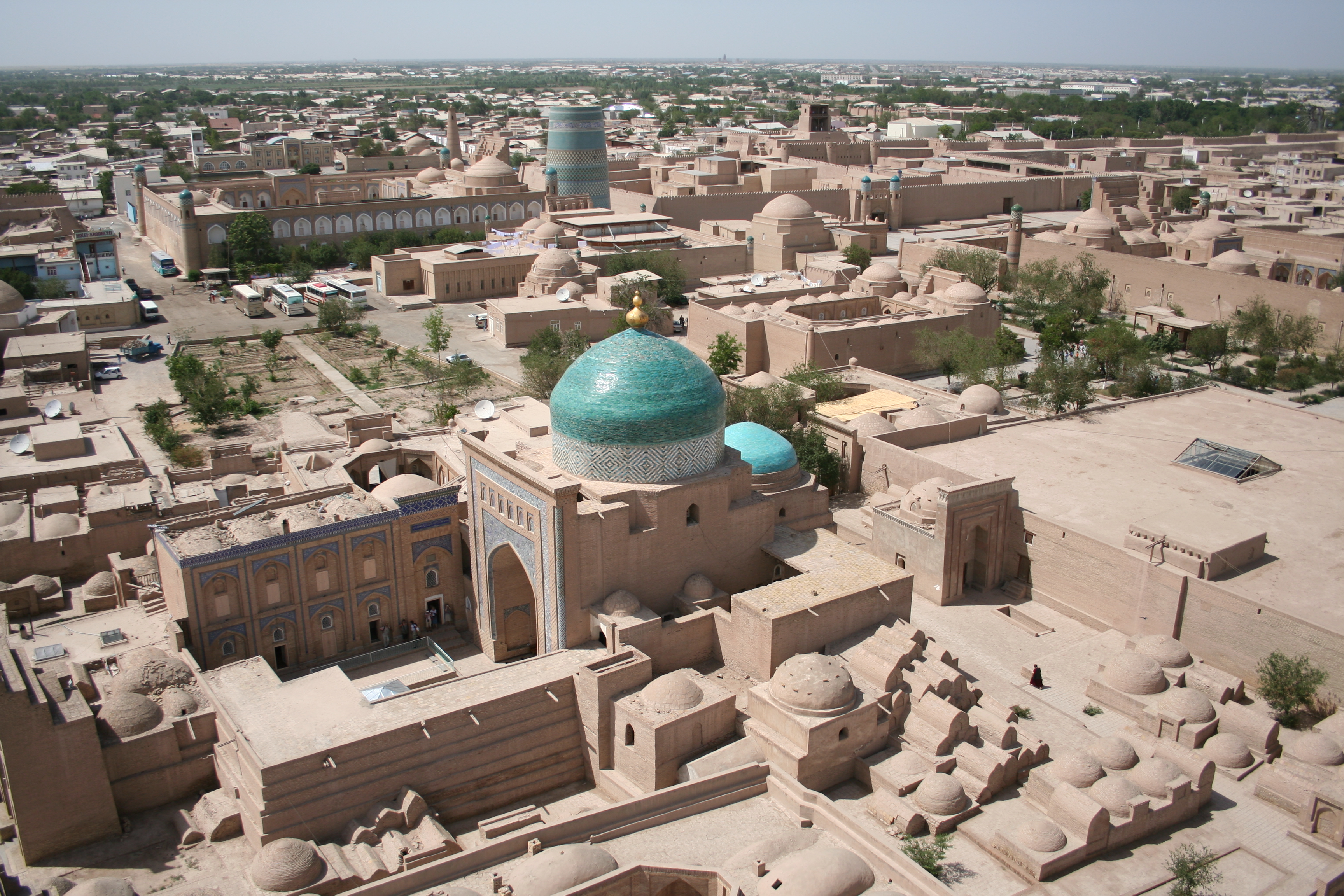
Nestled in the heart of Uzbekistan, the ancient city of Khiva stands as an enchanting testament to the rich tapestry of history woven along the legendary Silk Road. Once a bustling oasis for weary travelers braving the harsh desert en route to Iran, this city has transformed into a mesmerizing labyrinth of mosques, palaces, and merchant houses, all encased within towering 10-meter high walls. Itchan Kala, the inner citadel of Khiva, is not just a historical site; it is a vibrant showcase of Islamic architecture and a reflection of the city’s storied past.
### History and Origins
The origins of Khiva date back to ancient times, with the earliest settlements believed to have emerged around the 6th century BC. However, it was during the 9th century that Khiva began to flourish as a significant trading hub on the Silk Road, connecting China and Europe. The city gained prominence under the rule of the Khwarezmian Empire in the 11th century, particularly during the reign of Muhammad II. Following the Mongol invasions led by Genghis Khan in the 13th century, Khiva experienced periods of decline and resurgence, ultimately becoming the capital of the Khanate of Khiva in the mid-18th century.
The city’s strategic location made it a focal point for trade and cultural exchange, leading to a remarkable blend of Persian, Turkic, and Arab influences that can still be observed in its architecture and customs today. The fall of Khiva to Russian forces in 1873 marked a significant turning point, but the city retained its cultural identity, offering a glimpse into the past for visitors today.
### Art and Architecture
Khiva is often celebrated for its remarkably preserved Islamic architecture, which showcases a variety of styles, from intricate tile work to awe-inspiring minarets. The Kalta Minor Minaret, unfinished at 26 meters, is a stunning example of the city’s architectural ambition, adorned with vibrant blue tiles that shimmer in the sunlight. The Juma Mosque, with its 218 wooden pillars dating back to the 10th century, is another architectural marvel, showcasing the blend of ancient and Islamic design elements.
One cannot overlook the Pakhlavan Makhmud Mausoleum, dedicated to the revered poet and wrestler, which features exquisite tile work and grand domes, reflecting the artistic significance of Khiva during its golden age. The intricate patterns and calligraphy that adorn many structures reveal a dedication to artistry that resonates throughout Central Asia.
### Local Culture and Traditions
The culture of Khiva is steeped in rich traditions and customs that have been preserved through centuries. Local festivals, such as Navruz, the Persian New Year celebrated around March 21, are vibrant expressions of the community's heritage. This festival marks the arrival of spring and is celebrated with music, dance, and traditional foods, bringing together locals and travelers alike.
Hospitality is a cornerstone of Khivan culture, with local customs emphasizing the importance of welcoming guests. Visitors are often invited to partake in traditional meals and experience the warmth of Uzbek hospitality. The Khiva International Music Festival, held annually, showcases local musicians and dancers, further enriching the cultural tapestry of the city.
### Gastronomy
Khiva's culinary scene offers a delicious glimpse into the region's flavors. Traditional dishes like plov (a rice dish cooked with meat and vegetables) and lagman (hand-pulled noodles) are staples that reflect the agricultural bounty of the region. The use of spices such as cumin and coriander adds depth to the dishes, making them a delight for the senses.
Don’t miss the chance to try tandir kebab, a dish cooked in a traditional clay oven, which imparts a unique flavor that is synonymous with Khivan cuisine. Pair your meal with green tea, a ubiquitous beverage that symbolizes hospitality and warmth in Uzbek culture.
### Lesser-known Curiosities
While Khiva’s major attractions are well-known, the city harbors lesser-known curiosities that can surprise even seasoned travelers. For instance, the Kunya Ark, a fortress complex, was both a residence for the khan and a center of power, but few visitors realize it also housed a mint, producing coins that circulated throughout the region.
Another hidden gem is the Museum of Applied Arts, where traditional crafts such as silk weaving and pottery are displayed, providing insight into the artistic skills that have been passed down through generations. The stories behind these crafts often reveal the deep-rooted connections to Khiva’s history and culture.
### Practical Visitor Information
The best time to visit Khiva is during the spring (April to June) and autumn (September to October) when the weather is mild and perfect for exploring the streets of this historic city. While the summer months can be scorching, the cooler seasons offer comfortable conditions to wander through the ancient maze of Itchan Kala.
When visiting, take the time to explore not just the well-known sites but also the quieter corners of the city where local life unfolds. Be sure to wear comfortable shoes, as the cobblestone streets can be uneven. Engaging with local artisans and shopkeepers can also provide a richer understanding of Khiva’s vibrant culture.
For an unforgettable journey through the intricacies of Khiva, consider planning your itinerary with tailored recommendations.
