
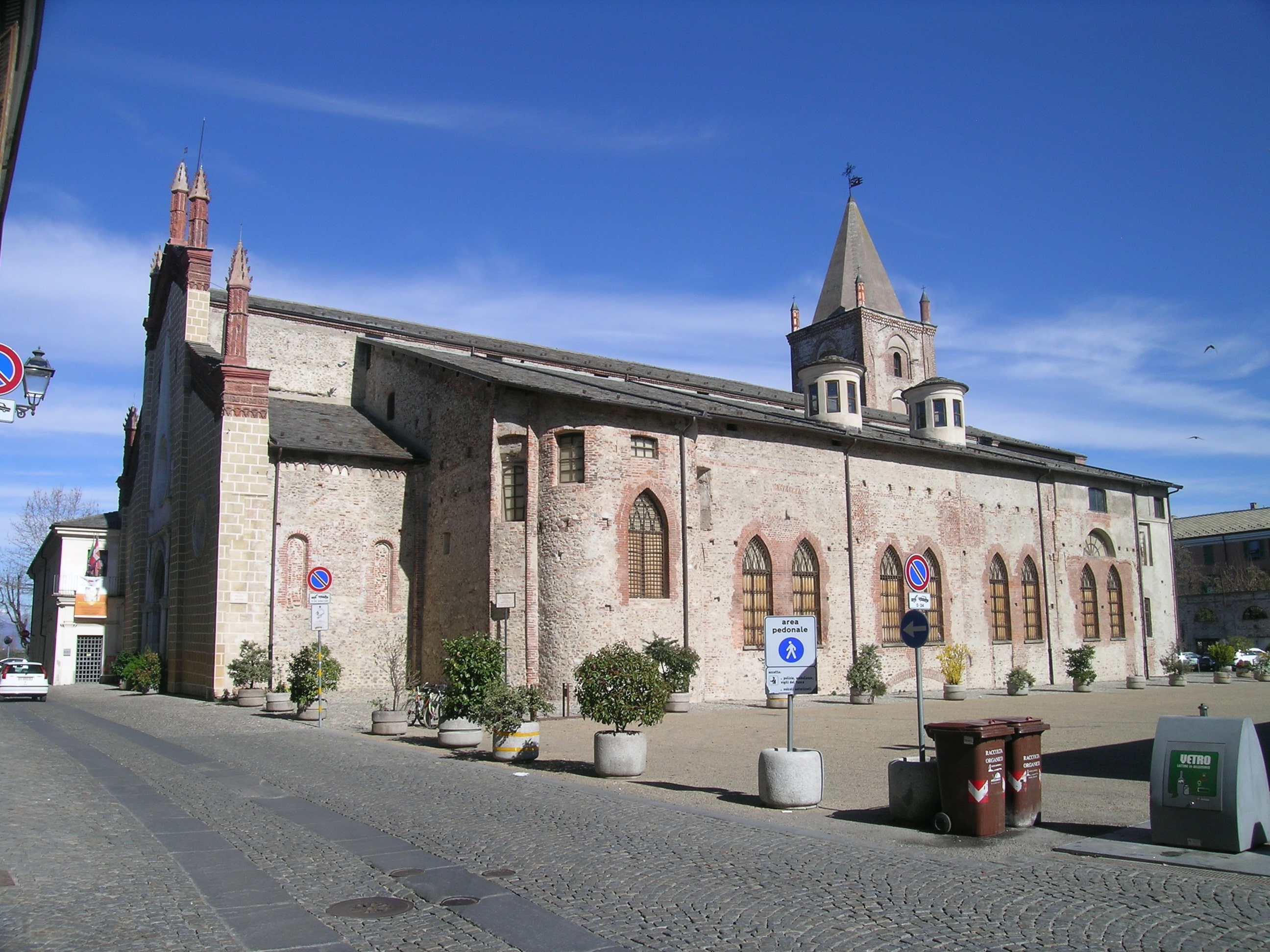

Nestled in the heart of Cuneo, the Civic Museum of Cuneo is more than just a repository of artifacts; it is a portal into the city's rich history and cultural evolution. Housed within the Monumental Complex of S. Francesco, this museum occupies a site that has been central to the local community since the 13th century.
The origins of the Complex of S. Francesco trace back to the Franciscan friars, who established themselves here in the medieval period. By the 15th century, the convent not only served as a spiritual refuge but also transformed into a vital social hub for the citizens of Cuneo. Noble families contributed significant donations, enhancing the architecture and ensuring its prominence within the community.
However, the tranquil existence of the friars was disrupted in the early 19th century when Napoleon's army seized the building. The once-sacred spaces were repurposed into barracks, leading to the dispersion of valuable artworks and furnishings. After enduring a series of transformations and periods of neglect, the complex was revitalized in 1980 to serve as a cultural venue, culminating in the establishment of the Civic Museum.
Architecturally, the Civic Museum of Cuneo is a testament to medieval design, showcasing a harmonious blend of Gothic and Renaissance elements. The adjoining Church of S. Francesco features stunning vaulted ceilings and intricate frescoes, remnants of its monastic past. Visitors can admire the Baroque altar and various artworks that reflect the religious fervor and artistic expression of their times.
Among the museum's significant holdings are pieces from the Piedmontese Renaissance, including paintings and sculptures that illuminate the region's artistic heritage. The museum houses works by notable local artists, providing insight into the evolution of art in Cuneo and its surrounding areas. The extensive collections not only celebrate the city’s artistic achievements but also weave a narrative of its historical context.
Cuneo’s culture is deeply intertwined with its traditions and festivals. The annual Festa di San Giovanni, celebrated in June, honors the city's patron saint with vibrant parades, music, and local gastronomy. The festival reflects the community spirit and pride, bringing together locals and visitors alike in a joyful celebration. Additionally, the Sagra della Nocciola, held in late summer, highlights the region's culinary delights, particularly its famous hazelnuts, celebrated for their quality and flavor.
When it comes to gastronomy, Cuneo boasts a rich culinary scene that mirrors its agricultural heritage. Local specialties include agnolotti, a type of stuffed pasta traditionally filled with meat, often served with a rich gravy. The region is also renowned for its toma cheese, a semi-hard cheese that pairs beautifully with local wines. A visit to Cuneo would be incomplete without sampling the Barolo wine, a robust red that embodies the essence of Piedmont's vineyards.
For travelers looking to uncover the hidden charms of Cuneo, there are lesser-known aspects of the Civic Museum that often go unnoticed. One such detail is the ancient chapel within the complex, which houses a fascinating crucifix believed to date back to the 12th century. This artifact serves as a silent witness to the centuries of faith and community that have flourished in this space. Moreover, the museum's archives hold documents that trace the city's evolution, providing insights into its socio-political landscape throughout the ages.
The best time to visit the Civic Museum of Cuneo is during the spring and fall months when the weather is mild, and the surrounding landscapes are at their most picturesque. Make sure to allocate ample time to explore not just the museum but also the historic streets of Cuneo, where charming shops and local eateries beckon. To fully appreciate the museum's offerings, consider joining a guided tour, which can provide deeper context and enrich your experience.
As you wander through the echoes of history within the Civic Museum of Cuneo, you’ll find a tapestry of stories waiting to be discovered. For those eager to craft a personalized itinerary that embraces the essence of this enchanting city, consider using the Secret World app.


