
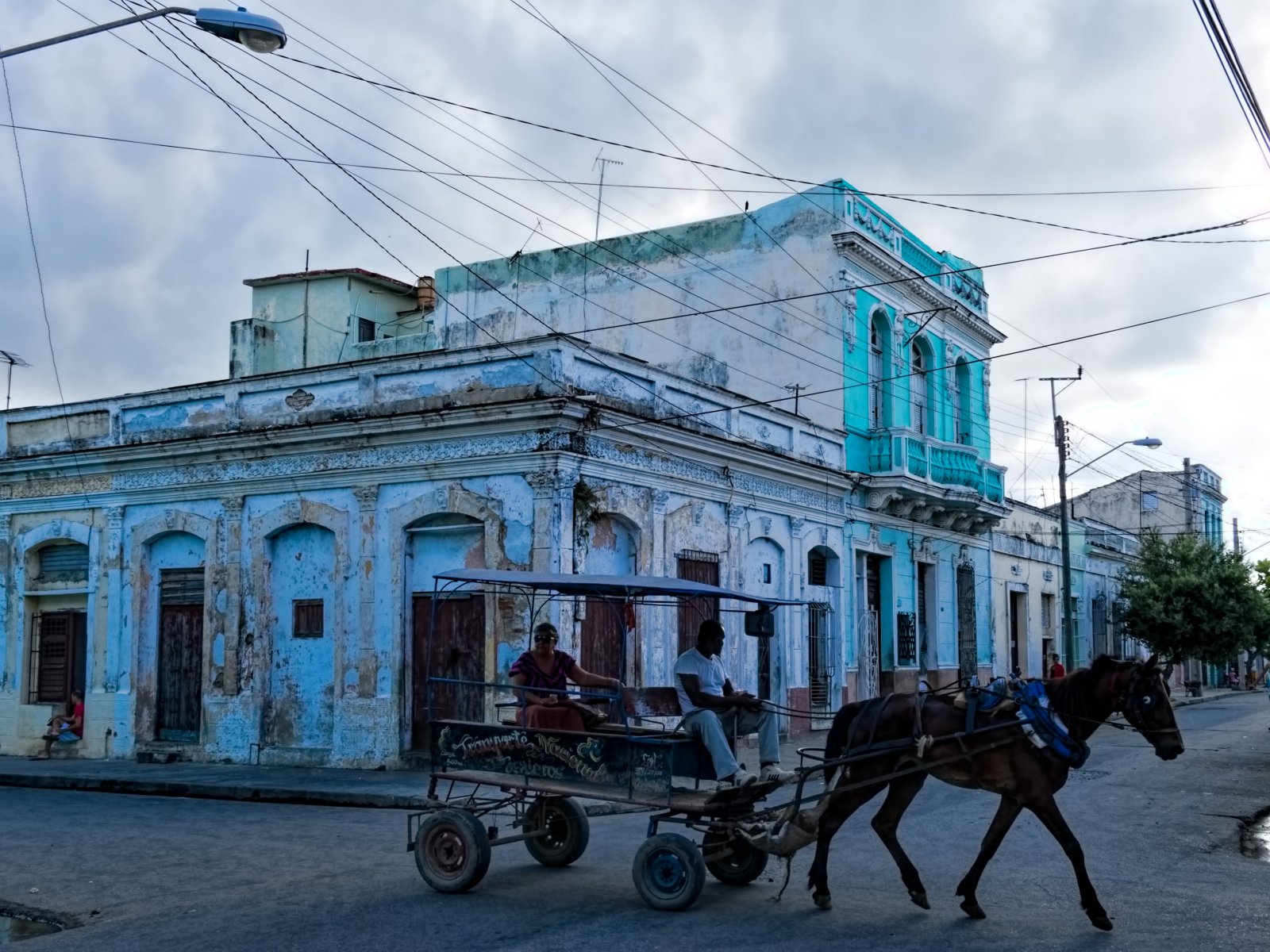

The colonial town of Cienfuegos, founded in 1819, is a vibrant tapestry of history and culture nestled on the southern coast of Cuba. This UNESCO World Heritage site stands as a testament to the unique blend of Spanish colonial and neoclassical architectural styles, enriched by its eclectic development over the years. Its strategic location made it a pivotal trading hub for sugar cane, tobacco, and coffee, laying the groundwork for a rich cultural heritage that thrives today.
### History and Origins
The history of Cienfuegos is woven into the very fabric of Cuba’s colonial past. Originally inhabited by the Taíno people, the area was first settled by Spanish colonists in 1819. The town was officially founded by Don Luis de Clouet, who envisioned a port town that would capitalize on the lucrative sugar trade. By the mid-19th century, Cienfuegos had blossomed into a major commercial center, attracting merchants and immigrants from various backgrounds, particularly from France. This cultural influx significantly influenced the town’s architecture and customs.
A pivotal moment in the town's history occurred in 1898 during the Spanish-American War, when Cienfuegos served as a base for the U.S. Navy. The war marked a shift in control and influence over the island, leading to changes in trade and culture that shaped the town’s subsequent development.
### Art and Architecture
The architectural landscape of Cienfuegos is a visual feast, characterized by its neoclassical style, which was popular during its founding years. Notable structures include the Teatro Tomás Terry, a beautifully restored theater that opened in 1889 and boasts exquisite interiors adorned with Austrian crystal chandeliers and Italian marble.
The Palacio de Valle, an eclectic masterpiece built in the early 20th century, reflects the fusion of styles inspired by Moorish, Gothic, and Baroque influences. Its intricate detailing and stunning ocean views make it a must-see. The town’s overall architectural harmony is a testament to the urban planning ideals of the 19th century, emphasizing modernity, hygiene, and order.
### Local Culture and Traditions
Cienfuegos is steeped in vibrant traditions that offer visitors a glimpse into the local way of life. Festivals such as Carnaval de Cienfuegos, celebrated in February, showcase the town's rich cultural tapestry through colorful parades, music, and dance. The rhythms of son cubano and salsa fill the streets, inviting locals and tourists alike to join in the celebrations.
The town also hosts numerous art fairs and exhibitions, highlighting the work of local artists. The Cienfuegos Art Gallery is a hub for contemporary Cuban art, providing a platform for emerging talents and established artists alike.
### Gastronomy
No visit to Cienfuegos would be complete without indulging in its culinary delights. The local cuisine reflects the island's rich agricultural bounty, with dishes like ropa vieja (shredded beef) and congrí (rice and beans) being staples. Seafood lovers will delight in fresh catches from the nearby Caribbean, often prepared in traditional styles with a Cuban twist.
For a sweet treat, cocada, a refreshing coconut drink, is a must-try. Pair it with a local rum, such as the renowned Ron Cubay, and you’ll experience the true essence of Cuban hospitality.
### Lesser-known Curiosities
While Cienfuegos is often overshadowed by more famous Cuban destinations, it holds many unique surprises. For instance, the town is home to the Cienfuegos Botanical Garden, one of the oldest in the Caribbean, founded in 1901. This lush sanctuary features a remarkable collection of tropical plants and is a peaceful retreat for nature lovers.
Another hidden gem is the Museo Provincial, which houses artifacts from the town’s colonial past, including indigenous pottery and Spanish colonial relics. The museum offers a fascinating insight into the diverse influences that have shaped Cienfuegos.
### Practical Visitor Information
The best time to visit Cienfuegos is during the dry season, from November to April, when the weather is pleasantly warm. To fully immerse yourself in the local culture, take a leisurely stroll along the Malecón, the town's scenic waterfront promenade. Be sure to visit the Parque José Martí, where locals gather to socialize and enjoy live music.
For a truly authentic experience, consider staying in a casa particular, a private guesthouse that offers a glimpse into everyday Cuban life. These accommodations often come with the added bonus of delicious home-cooked meals.
In conclusion, Cienfuegos is a hidden jewel that beautifully encapsulates the essence of Cuba—a harmonious blend of history, culture, and stunning architecture. To make the most of your visit, consider using the Secret World app to create a personalized itinerary tailored to your interests.
