



As you approach the Great Temple of Kom Ombo, the air thickens with history, and the majestic columns loom above like sentinels guarding the secrets of ancient Egypt. This remarkable structure, located along the banks of the Nile River in southern Egypt, stands as a testament to the architectural ingenuity and religious fervor of the Ptolemaic period (circa 305-30 BC).

The temple’s origins can be traced back to Ptolemy VI, who commissioned its construction during the second century BC. It was built as a dual shrine dedicated to Sobek, the crocodile god, and Haroeris, a form of the falcon god Horus. This unique dual dedication reflects the significance of both deities in the daily lives of the locals, particularly in relation to the Nile, which was revered as the lifeblood of civilization. The temple's strategic location made it an important center for trade and agriculture, allowing it to thrive in the fertile lands that surround it.
Architecturally, the Great Temple of Kom Ombo is a marvel of symmetry and design. The layout is perfectly symmetrical along its main axis, featuring twin entrances that lead into two interconnected hypostyle halls. Each hall is graced by intricately carved columns adorned with reliefs depicting the duality of the gods. The eastern half is dominated by Sobek, showcasing scenes that highlight his role as the creator of the world and protector of the Nile, while the western side celebrates Haroeris, emphasizing themes of kingship and the divine right to rule.
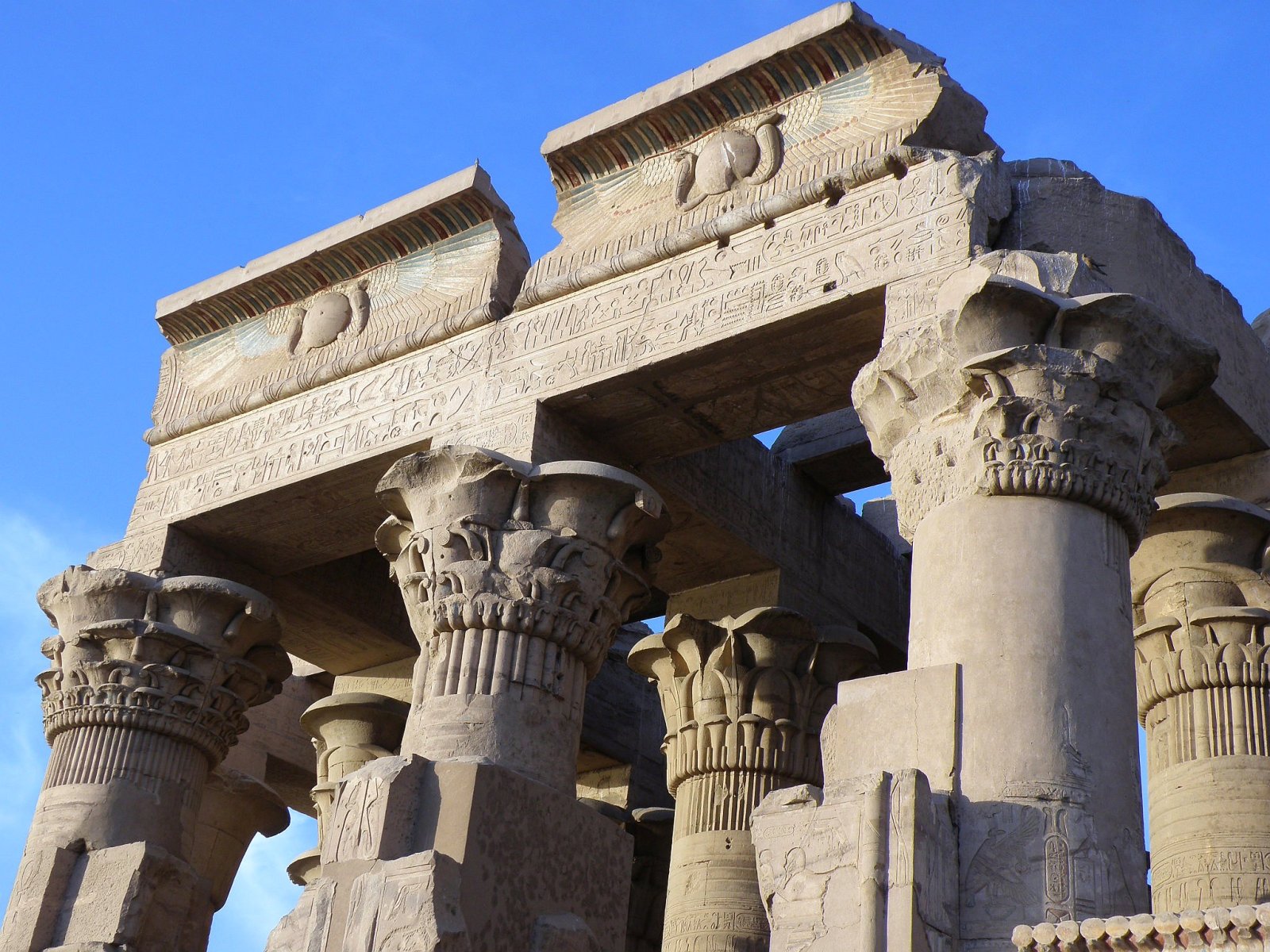
Among the notable artworks, one can find exquisite reliefs depicting various aspects of daily life, including agriculture, hunting, and surgery—a fascinating glimpse into the medical practices of ancient Egypt. The temple also features the famous calendar of Kom Ombo, which records the lunar months and agricultural seasons, underscoring the temple's role as a hub of knowledge and governance.
Today, the local culture surrounding Kom Ombo is a rich tapestry woven from the threads of ancient traditions and modern life. Villagers engage in agricultural practices, particularly the cultivation of sugar cane, which thrives in the fertile soils nourished by the Nile’s annual floods. Traditional festivals, such as Wepet-Renpet, celebrate the flooding of the Nile and the onset of the agricultural season, echoing the ancient rites performed at the temple. Visitors may also witness local customs, such as the crafting of handmade goods and the vibrant markets that spring to life in the evenings.
Culinary experiences in Kom Ombo are a delightful exploration of local flavors. A visitor can indulge in koshari, a hearty mix of rice, lentils, and pasta topped with a spiced tomato sauce—often considered Egypt’s national dish. Foul medames, a savory fava bean dish, is commonly enjoyed for breakfast, while kahwa (Arabic coffee) offers a sweet, aromatic finish. Pair your meal with a refreshing glass of sugar cane juice, freshly pressed from stalks sold by local vendors, capturing the essence of the region’s agricultural bounty.
For those who wish to delve deeper into the marvels of Kom Ombo, there are lesser-known curiosities that add layers to its historical narrative. One intriguing detail is the sacred crocodile mummies discovered in the vicinity, which were revered and embalmed as offerings to Sobek. These mummies serve as a reminder of the ancient Egyptians' deep reverence for their gods and the intertwining of daily life with the divine. Additionally, the temple's hypostyle hall features columns with floral patterns inspired by the papyrus plant, symbolizing Lower Egypt, while the lotus represents Upper Egypt, further emphasizing the unity of the nation.
To make the most of your visit to the Great Temple of Kom Ombo, consider timing your trip during the cooler months from October to March. This period not only offers pleasant weather but also coincides with various local festivals that showcase the vibrant culture of the region. Arriving early in the morning or late in the afternoon will provide you with softer light for photography and a more tranquil experience as you explore the temple grounds. Don’t forget to look closely at the intricate carvings, as they tell stories that have endured through millennia.
In this serene yet historically rich location, the echoes of the past resonate through the columns of the Great Temple of Kom Ombo. For a more personalized journey through its captivating history and local culture, consider using the Secret World app to plan your itinerary.
