
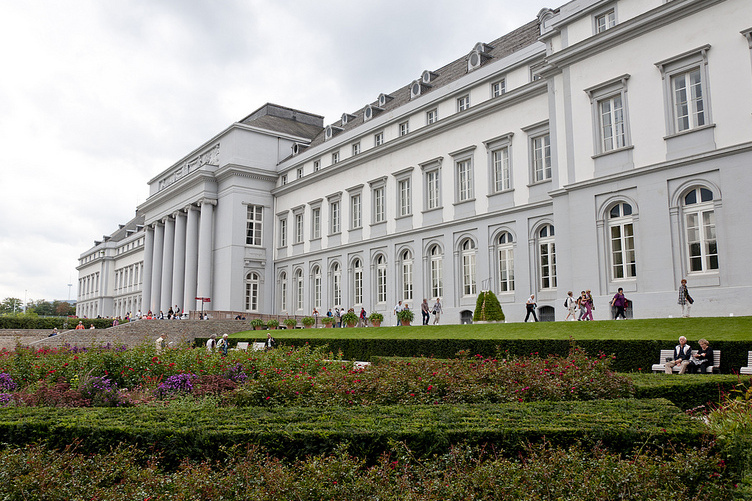

In the heart of Koblenz, where the Rhine and Moselle rivers converge, stands the majestic Electoral Palace. This architectural gem is not just a testament to early French neoclassical style but also a vital chapter in the rich tapestry of German history.
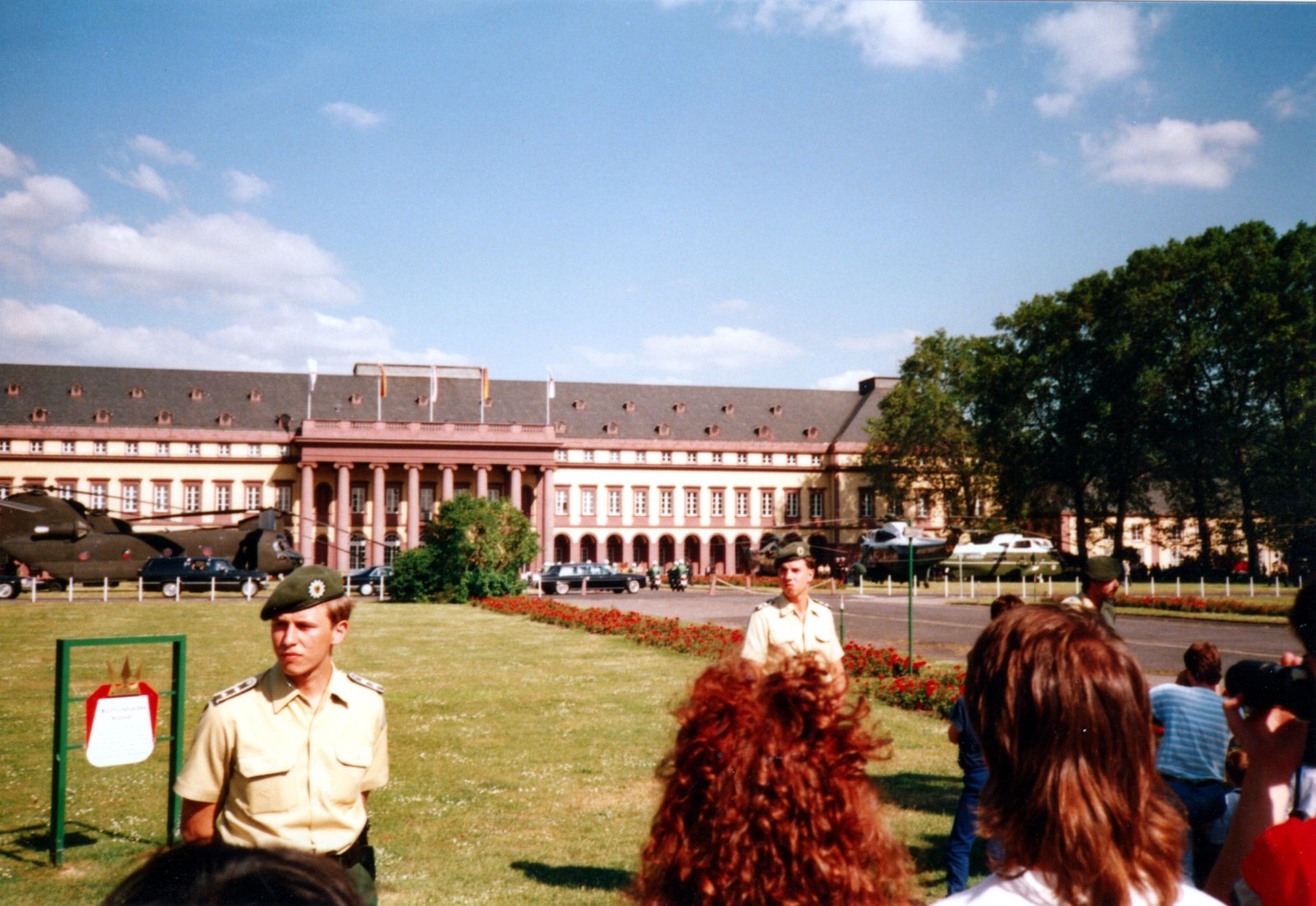
The Electoral Palace was commissioned in 1777 by Clemens Wenceslaus of Saxony, the last Archbishop and Elector of Trier. The choice of location was strategic, reflecting the power and influence of the Electorate during the late 18th century. The palace was constructed during a time when the region was under the cultural sway of France, and its design elements echo this influence. The building was completed in 1790, and it quickly became a symbol of the Electorate's prestige.
Following the upheaval of the Napoleonic Wars, the palace transitioned into a seat of military governance. In the mid-19th century, the Prussian Crown Prince, who would later become Emperor Wilhelm I, used it as his official residence during his tenure as military governor of the Rhine Province. This period marked a significant shift, as the palace not only housed nobility but also became an administrative hub, reflecting the evolving political landscape of Germany.
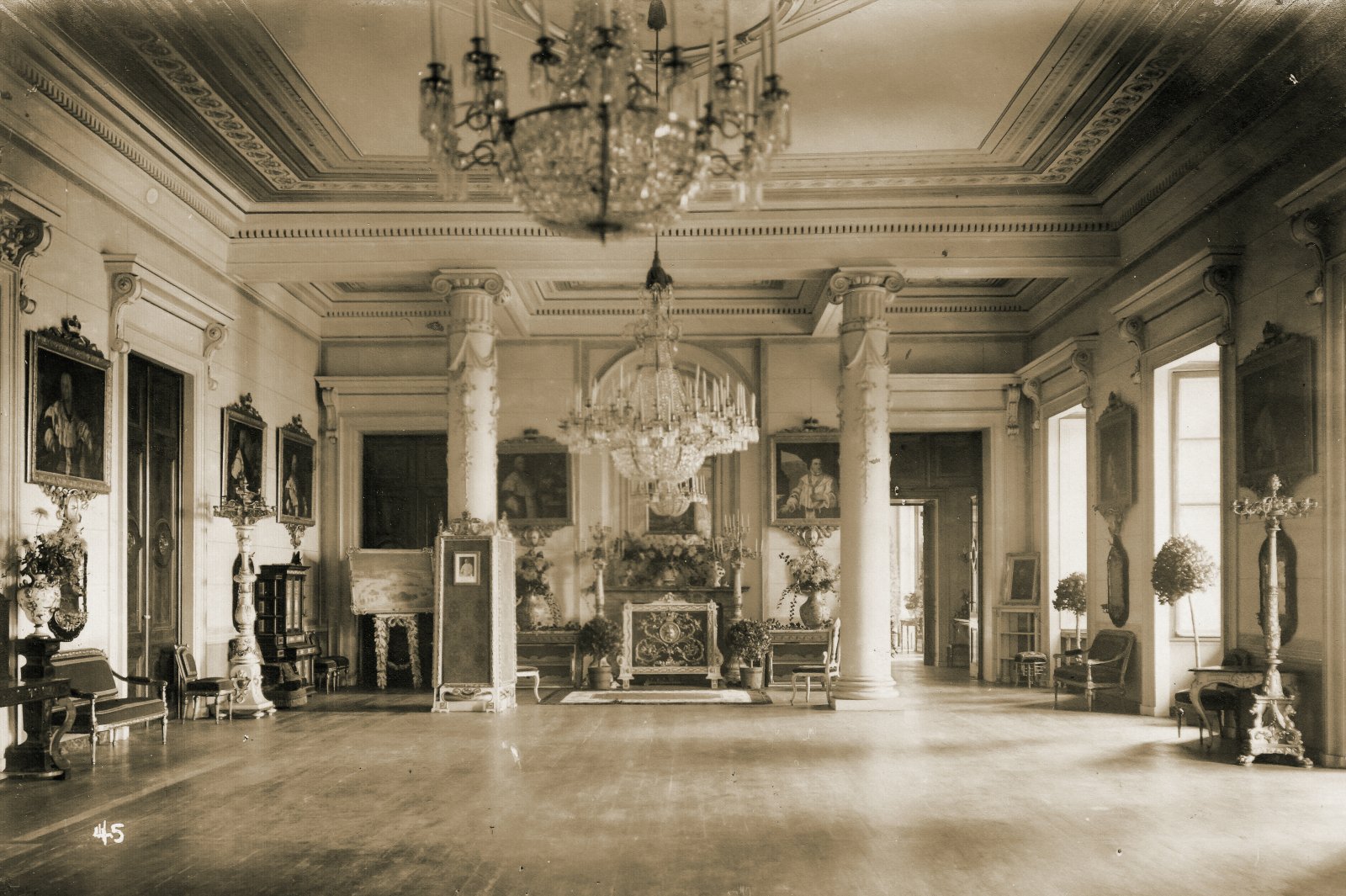
Architecturally, the Electoral Palace is a magnificent example of neoclassicism. The central building, known as the Corps de logis, extends in a north-south direction, flanked by two semi-circular wings that embrace the palace's grand forecourt, or Schlossvorplatz. The façade is adorned with elegant columns and detailed stonework, showcasing the craftsmanship of the era. Inside, the palace features beautifully decorated rooms, including the Grand Hall, where opulent events once took place, and the Mirror Hall, which reflects the light in a mesmerizing display.
The artistic significance of the palace extends beyond its architecture. Within its walls, visitors can find an array of exquisite artworks that celebrate the region's history and culture. Notably, the Electoral Palace houses several portraits of influential figures from the Electorate’s past, providing a glimpse into the lives and legacies of those who once walked its halls. The intricate stucco work and lavish interiors encapsulate the aesthetics of the late 18th century, making it a favorite among art enthusiasts.
Local culture in Koblenz is deeply intertwined with the history of the Electoral Palace. The city is known for its vibrant festivals, including the annual Koblenz Spring Fair, which showcases regional crafts, culinary delights, and traditional music. The palace often serves as a backdrop for cultural events, blending the past with contemporary celebrations. This connection to local customs fosters a sense of community pride and historical appreciation among residents.
When it comes to gastronomy, Koblenz offers a delectable array of local dishes. The region is famous for its Rheinischer Sauerbraten, a flavorful pot roast marinated in a mixture of vinegar and spices, typically served with red cabbage and potato dumplings. Pair this hearty dish with a glass of Mosel wine, renowned for its crispness and subtle sweetness. The nearby vineyards produce some of the finest wines, enhancing the culinary experience in this historic city.
Among the secrets of the Electoral Palace are the hidden details often overlooked by visitors. For instance, while the grand entrances and sweeping staircases capture most attention, the palace gardens are a tranquil escape. Designed in the Baroque style, these gardens feature meticulously manicured hedges and fountains, providing a serene environment for reflection. Additionally, the acoustics of the Grand Hall create an exceptional venue for musical performances, attracting local artists and musicians throughout the year.
The best time to visit the Electoral Palace is during the spring and early autumn months, when the gardens are in full bloom and the weather is pleasantly mild. To make the most of your visit, consider joining a guided tour that delves into the palace's rich history and architectural nuances. Be sure to explore the surrounding area, including the picturesque Deutsches Eck, where the Rhine and Moselle rivers meet, and where you can admire the monumental equestrian statue of Emperor William I.
In summary, the Electoral Palace in Koblenz is not just a historical monument; it is a living narrative of the region's past, artistry, and culture. Its grandeur captivates visitors, making it a must-see destination for anyone exploring this beautiful part of Germany. For a tailored exploration of Koblenz, consider using the Secret World app to craft your perfect itinerary.


