




Emerging from the azure waters of the Bay of Bengal, Elephanta Beach on the Andaman and Nicobar Islands is a paradise that seamlessly blends natural beauty with a rich tapestry of history. Although the beach itself is relatively untouched by history's grand narratives, its surrounding region has a deep past that is woven into the fabric of Indian maritime heritage. The Andaman and Nicobar Islands have been inhabited for thousands of years by indigenous tribes, with the Great Andamanese, Onge, and Nicobarese playing a significant role in the archipelago's history.
The beauty of Elephanta Beach lies not just in its scenic allure but also in the underwater treasures it guards. The beach is renowned for its vibrant coral reefs, which house a dazzling array of marine life. Snorkeling here is akin to diving into a natural aquarium, where the hues of the coral compete with the vibrant fish darting through the water. Unlike the ancient stone carvings found at the famous Elephanta Caves near Mumbai, which are steeped in Hindu mythology, the art of Elephanta Beach is alive, moving with the tides and currents, painted by nature itself.
While the beach does not boast architectural structures, its pristine sands and clear waters are akin to nature's own canvas, shaped by the elements over centuries. The natural art found here is ephemeral, with each wave and breeze subtly altering the landscape. This ever-changing scenery provides a serene backdrop that invites contemplation and appreciation of nature's artistry.

The local culture of the Andaman Islands is a mosaic of traditions, influenced by the indigenous tribes and the many settlers who arrived over the centuries. The islands celebrate numerous festivals, with the Island Tourism Festival being one of the most notable. This annual event showcases the rich cultural heritage of the islands through traditional dance, music, and crafts, offering visitors a glimpse into the unique way of life here.
Gastronomy on the Andaman Islands is a delightful blend of indigenous flavors and influences from the mainland. Typical dishes include fresh seafood, coconut-infused curries, and tropical fruits. A must-try for visitors is the local delicacy, fish curry, often prepared with freshly caught fish and a medley of spices that reflect the island's diverse cultural influences. Accompanying this could be a glass of tender coconut water, a refreshing drink that complements the sun-drenched days spent on the beach.
For those seeking lesser-known curiosities, Elephanta Beach offers several surprises. Despite its remote location, it is a hub for biodiversity, home to species that are rarely found elsewhere. The beach is not just about the visible beauty; beneath the waves, the coral reefs play a crucial role in marine conservation efforts. Scientists and researchers frequently visit to study these ecosystems, contributing to global knowledge on coral health and resilience.
When planning a visit to Elephanta Beach, timing is key. The best time to explore this coastal gem is between October and May, when the weather is most favorable, with clear skies and calm seas. Visitors should be mindful of the monsoon season, which can bring heavy rains and turbulent waters. It's also advisable to arrive early in the day to make the most of the tranquil environment before the crowds descend.
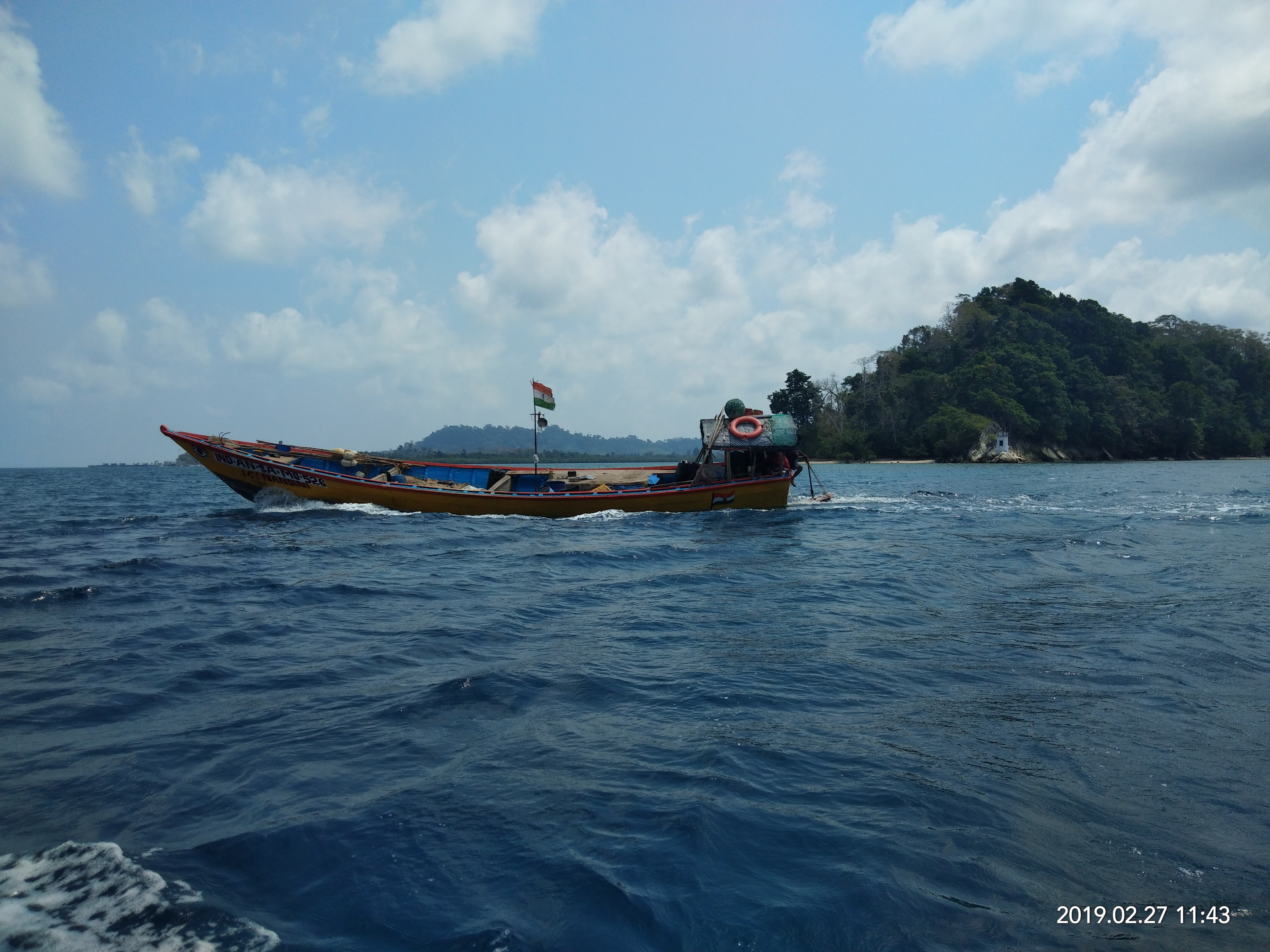
To reach Elephanta Beach, travelers typically take a short boat ride from the bustling Havelock Islands. It's essential to book your boat trip in advance, especially during peak tourist season. Once at the beach, apart from snorkeling, visitors should keep an eye out for the occasional sightings of dolphins playing in the distance, adding a touch of magic to the experience.
Whether it's lounging on the soft, white sands, diving into the crystalline waters to explore the coral gardens, or simply absorbing the tranquility, Elephanta Beach offers an escape that is both rejuvenating and inspiring. It's a testament to the unspoiled beauty of nature, a place where the whispers of history meet the artistry of the present, inviting all who visit to become a part of its ongoing story.
