← Back

The Els Ametlleres Roman villa

13,, Av. Pelegrí, 5, 17320 Tossa de Mar, Girona, Spagna ★★★★☆ 137 views
Kelly Moreno
Tossa de Mar
🏆 AI Trip Planner 2026

Get the free app

Discover the best of Tossa de Mar with Secret World — the AI trip planner with 1M+ destinations. Get personalized itineraries, hidden gems and local tips. Free on iOS & Android.

🧠 AI Itineraries 🎒 Trip Toolkit 🎮 KnowWhere Game 🎧 Audio Guides 📹 Videos
Scan to download iOS / Android
Scan for AppGallery Huawei users

About The Els Ametlleres Roman villa

The Els Ametlleres Roman villa - Tossa de Mar | Secret World Trip Planner

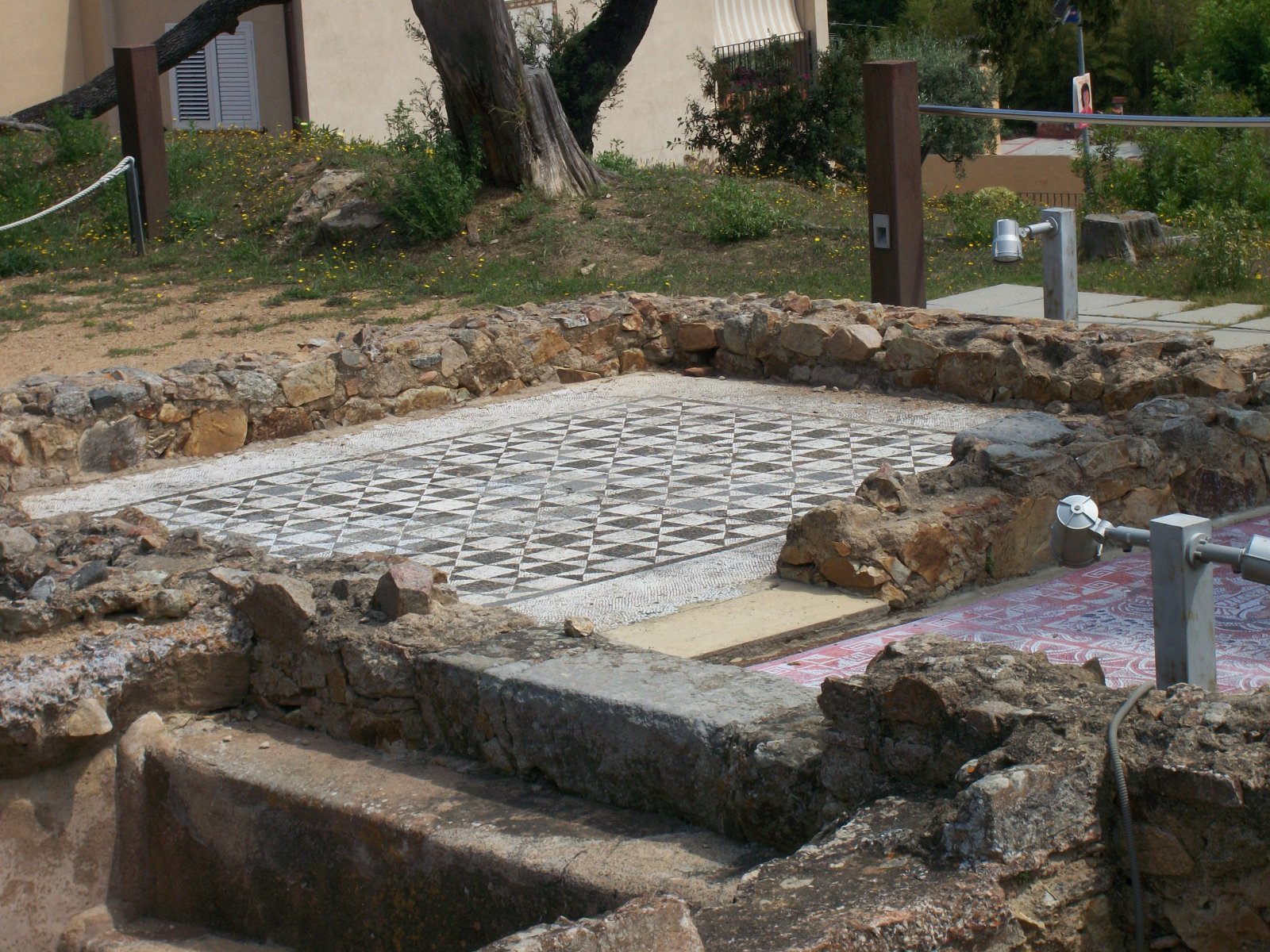
The Els Ametlleres Roman villa dates back to the first century AD and was one of the most important Villas in the Roman province of Tarraco. The ruins were discovered in 1914 by Dr. Ignasi Melé, Els Ametllers Roman villa (1st century BC to 6th century AD). Especially dedicated to cultivating vines and to the exportation of wine for general consumption, it is a classical example of farming in the Roman Mediterranean. Architecturally, it consists of two quite different areas: the urban part and the working part. Its situation, on the east slope of Can Magí hill, facing the sea and with a commanding view of the bay, conditioned the distribution of the building. The urban part, the noble area of the complex, set on the upper floor, is evidence of the magnitude of the villa at all levels, particularly in the 2nd century AD. Features such as the magnificent thermal constructions, the mosaics, the stuccos, the winter dining room, the nymphaeum (fountain) or the swimming pool with the impressive sculptures in Carrara marble that are preserved in the Municipal Museum, show us the exceptional nature of the villa. The working part, on the lower level, was the industrial area. It housed the storerooms and the rooms for processing the agricultural products. They made wine, oil, salted products as well as storing cereals. The styles of bone, ivory, pottery, coins and buckles, which are on display in the Municipal Museum, are a true testimony of the everyday life of the villa. These kinds of villas combined making the most of the territory – which in the case of Els Ametllers Villa covered a good part of what today is Tossa – perfectly with the luxury and conveniences of the owners. It should be stated that most of the structures that are preserved today are from the Augustine period (end of the 1st century BC – beginning of the 1st century AD).

The Els Ametlleres Roman villa - Tossa de Mar | Secret World Trip Planner
🗺 AI Trip Planner 2026

Plan your visit to Tossa de Mar

Suggested itinerary near The Els Ametlleres Roman villa

MAJ+
500.000+ travelers worldwide
  1. 🌅
    Morning
    The Els Ametlleres Roman villa
    📍 Tossa de Mar
  2. ☀️
    Afternoon
    Tossa de Mar
    📍 0.4 km · Tossa de Mar
  3. 🌆
    Evening
    Best Travel Apps for Costa Brava 2026: The Ultimate Guide
    📍 15.8 km · Tossa de Mar

Buy Unique Travel Experiences

Powered by Viator

See more on Viator.com

Explore nearby · Tossa de Mar

Frequently Asked Questions

Els Ametlleres was primarily dedicated to cultivating vines and exporting wine for general consumption, making it a classical example of Roman Mediterranean farming. The villa also produced oil, salted products, and stored cereals, operating as a major agricultural and industrial complex from the 1st century AD onwards.
The ruins showcase both the luxurious urban area with magnificent thermal constructions, mosaics, stuccos, a winter dining room, nymphaeum, and swimming pool, as well as the working industrial area with storerooms and processing rooms. The finest artifacts, including impressive Carrara marble sculptures, coins, pottery, and everyday items, are preserved in the Municipal Museum for visitors to view.
The villa was discovered in 1914 by Dr. Ignasi Melé and dates back to the first century AD, though most preserved structures are from the Augustan period at the end of the 1st century BC. The site remained in use through the 6th century AD, spanning over 700 years of continuous occupation.
The villa was strategically positioned on the east slope of Can Magí hill, facing the sea with a commanding view of the bay, which conditioned the architectural layout of the complex. This location was ideal for both overseeing the vast agricultural territories that covered much of present-day Tossa and for maintaining the luxury lifestyle of the villa's wealthy owners.
The villa is divided into two distinct areas: the upper-level urban part featuring luxurious amenities for the owners, and the lower-level working part housing industrial facilities for agricultural processing. The artifacts on display—including bone, ivory, pottery, coins, and buckles—provide a fascinating testament to the everyday life of residents and showcase how Roman villas successfully combined agricultural production with aristocratic comfort.
