
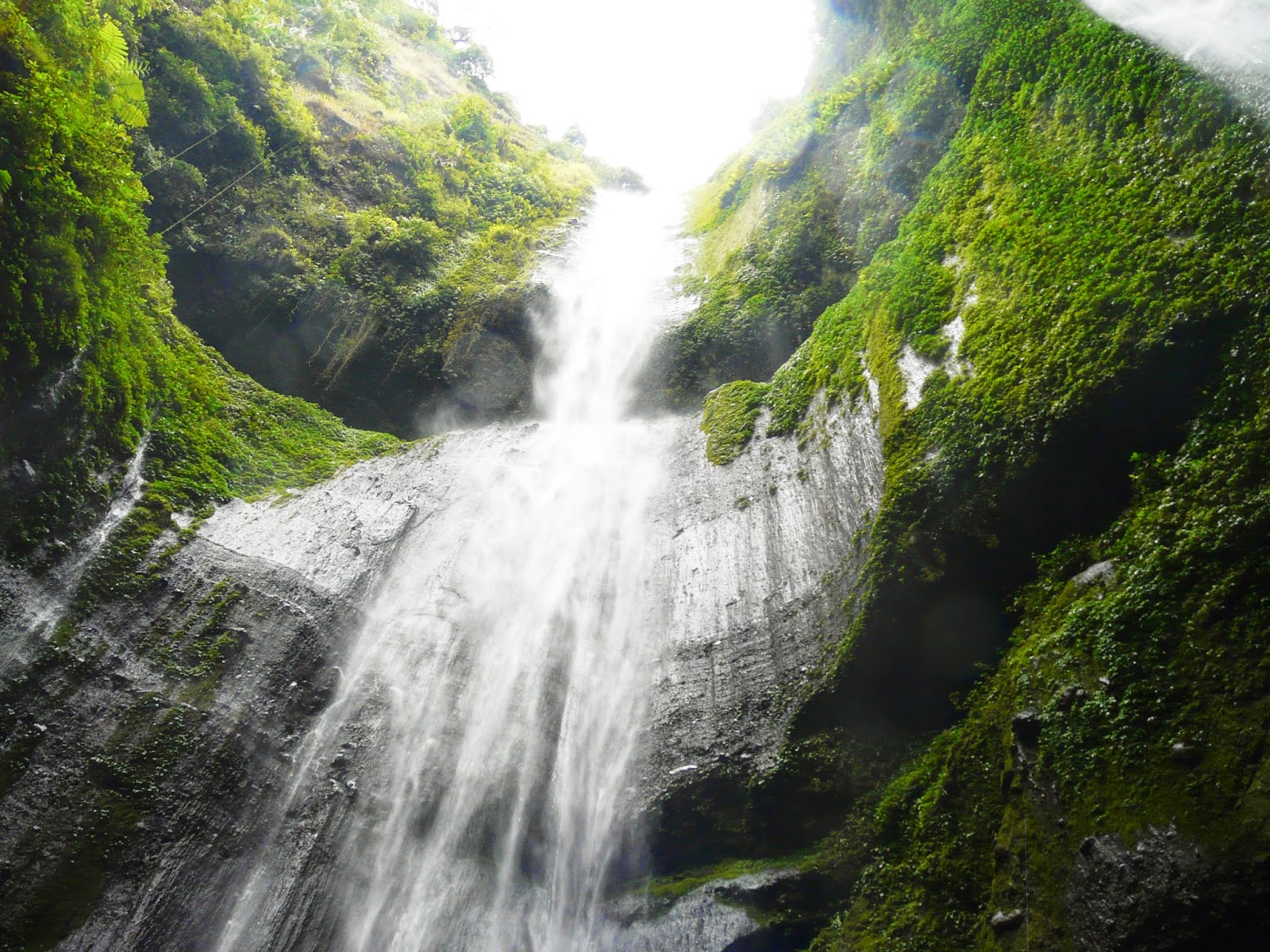

Leaving the misty Mount Bromo behind and descending into the Probolinggo Regency, one encounters a hidden gem within the Bromo-Tengger-Semeru National Park: the enchanting Madakaripura Waterfall. This spectacular waterfall is not just a feast for the eyes but also a significant site steeped in history and legend. It is believed to be the final meditation place of Gajah Mada, the revered military Commander-in-Chief of the Majapahit Kingdom, which flourished in East Java during the 13th to 16th centuries.
History and Origins
Gajah Mada, known for his formidable military prowess and dedication to unifying the Indonesian archipelago, is a central figure in Javanese history. The Majapahit Kingdom, under his leadership, reached its zenith, expanding its influence across the vast archipelago. Legend has it that Gajah Mada chose the serene surroundings of Madakaripura Waterfall for meditation, seeking spiritual enlightenment and fortitude. The waterfall, with its perpetual flow, symbolizes the blessings and wisdom he sought.
The name "Madakaripura" itself translates to "the place of meditation," making it a site of not only natural beauty but also spiritual significance. Over the centuries, the waterfall has remained a pilgrimage site for those seeking to honor Gajah Mada’s legacy, drawing both locals and visitors who wish to connect with the profound history embedded in the land.
Art and Architecture
While the Madakaripura Waterfall is celebrated for its natural splendor, it is also home to notable artistic elements that reflect the Javanese culture. As visitors approach the waterfall, they are greeted by a statue of Gajah Mada in a seated position, embodying the serene contemplation associated with this historical figure. The statue, crafted with intricate details, is a testament to the artistic skills of local artisans.
The surrounding area features lush greenery and towering cliffs that create a natural amphitheater, enhancing the waterfall's majestic presence. The architectural style here is organic, merging seamlessly with the landscape, where the artistry of nature is the true highlight.
Local Culture and Traditions
The cultural significance of Madakaripura extends beyond its historical ties. The local communities, predominantly the Tenggerese, celebrate their heritage through various customs and festivals. One of the notable celebrations is the Yadnya Kasada, where the Tenggerese people perform offerings to the God of the Mountain, often including fruits, rice, and livestock thrown into the caldera of Mount Bromo.
Visitors may also encounter traditional dances and music performed during local ceremonies, giving insight into the rich cultural tapestry of the region. The hospitality of the Tenggerese people is palpable, with many willing to share stories of Gajah Mada and the legends that surround this mystical place.
Gastronomy
Exploring the culinary landscape near Madakaripura is a delightful experience. The Tenggerese cuisine is characterized by its use of local ingredients and traditional cooking methods. A must-try dish is Nasi Gurih, a fragrant rice cooked with coconut milk and served with various side dishes, often including fried tempeh and spicy sambal.
Another local specialty is Rujak, a fresh fruit salad seasoned with a spicy, tangy sauce made from tamarind, chili, and palm sugar. For those with a sweet tooth, the Ketimus – a type of traditional sweet made from glutinous rice flour, filled with coconut and palm sugar – is a delightful treat to savor after a day of exploring.
Lesser-known Curiosities
While Madakaripura Waterfall is gaining fame, there are lesser-known stories that add to its allure. One such fact is that the waterfall is often shrouded in mist, creating a surreal atmosphere that has inspired many local artists and photographers. Additionally, the unique geology of the area allows for the formation of stunning rainbows on sunny days, enhancing the ethereal experience for visitors.
Another surprising element is the biodiversity surrounding the waterfall. Birdwatchers may be thrilled to spot the Javan Hawk-Eagle or various endemic species flitting through the lush canopy. This rich biodiversity is often overlooked by those focused solely on the waterfall itself.
Practical Visitor Information
The best time to visit Madakaripura Waterfall is during the dry season, from April to October, when the trails are more accessible and the weather is pleasant. The trek to the waterfall requires a moderate level of fitness, as visitors must navigate rocky paths and cross rivers. It is advisable to wear sturdy footwear and bring a raincoat, as the waterfall's mist can be refreshing yet unexpectedly wet.
Once at the entrance, take a moment to absorb the serene atmosphere before journeying further. Look for the subtle carvings in the rocks, remnants of local artistic expressions, and listen to the symphony of nature as the water cascades down.
For a truly personalized experience, consider using the Secret World app to plan your itinerary and uncover more hidden gems in this captivating region.


