
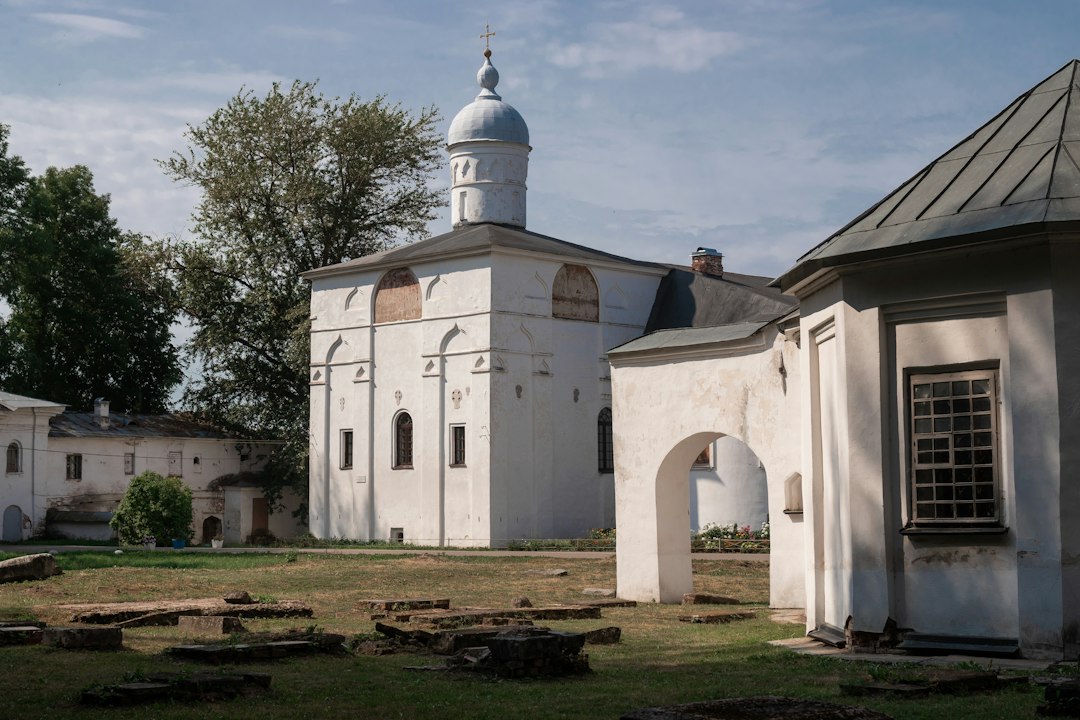

The vaulted ceilings open above with an unexpected lightness for a 15th-century Russian building. The Episcopal Chamber — also known as the Faceted Chamber or Granovitaya Palata — is located within the Kremlin of Veliky Novgorod and represents one of the rarest examples of Gothic architecture applied to a medieval Russian ecclesiastical context. Built around 1433, it was commissioned by Archbishop Evfimy II as a representative hall of Novgorod's episcopal power, at a time when Novgorod was still an independent merchant republic with strong trade ties to Northern Europe through the Hanseatic League.
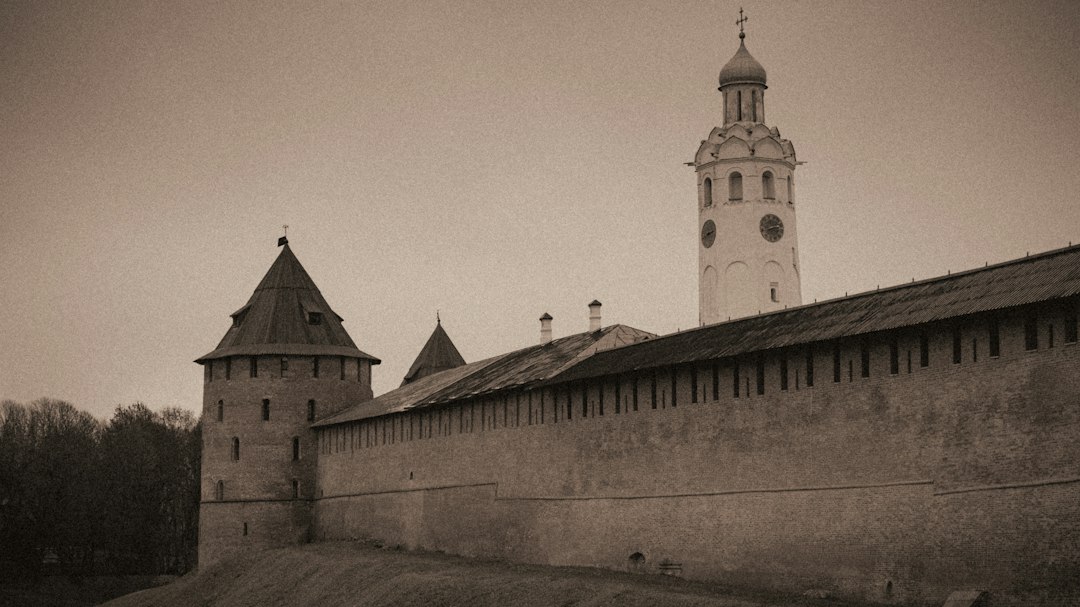
What strikes you upon entering is the contrast between the sober red brick exterior and the refinement of the interiors: the ribs of the vaults intersect in geometric patterns reminiscent of the Gothic cathedrals of Central Europe, an architectural solution almost unique in the Russian landscape of the 15th century. It is believed that among the builders were masters from Western Europe, likely Germans or Bohemians, called to Novgorod precisely because of the city's trade contacts with the West. This stylistic hybridization makes the Episcopal Chamber an architectural document of extraordinary importance for understanding the cultural exchanges of medieval Russia.
The architecture: Gothic on the Volkhov
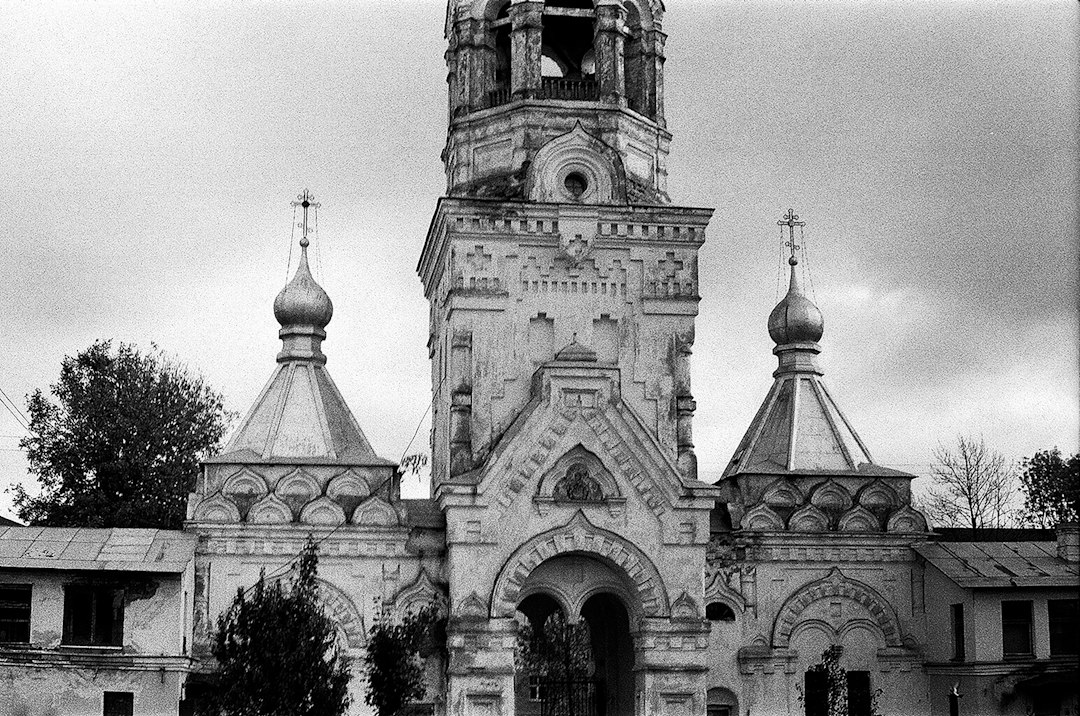
The main hall of the Episcopal Chamber measures about 18 meters in length and is distinguished by its unique central column from which the Gothic ribs radiate that support the entire vaulted ceiling. This structural solution — a single column supporting a complex vaulted system — was technically advanced for the time and testifies to the skill of the craftsmen involved in the construction. The walls retain traces of original frescoes from the 15th century, partially restored over the centuries, depicting religious scenes and symbols of Novgorodian ecclesiastical power.
Walking along the perimeter of the hall, it is possible to observe the details of the stone frames that encircle the windows: the shaped profile clearly recalls the Northern European Gothic tradition, while the choice of materials — local brick and plaster — remains faithful to the Russian construction tradition. This synthesis of external influences and local materials is perhaps the most fascinating detail that an attentive visitor can directly grasp on site.
The preserved artistic treasures
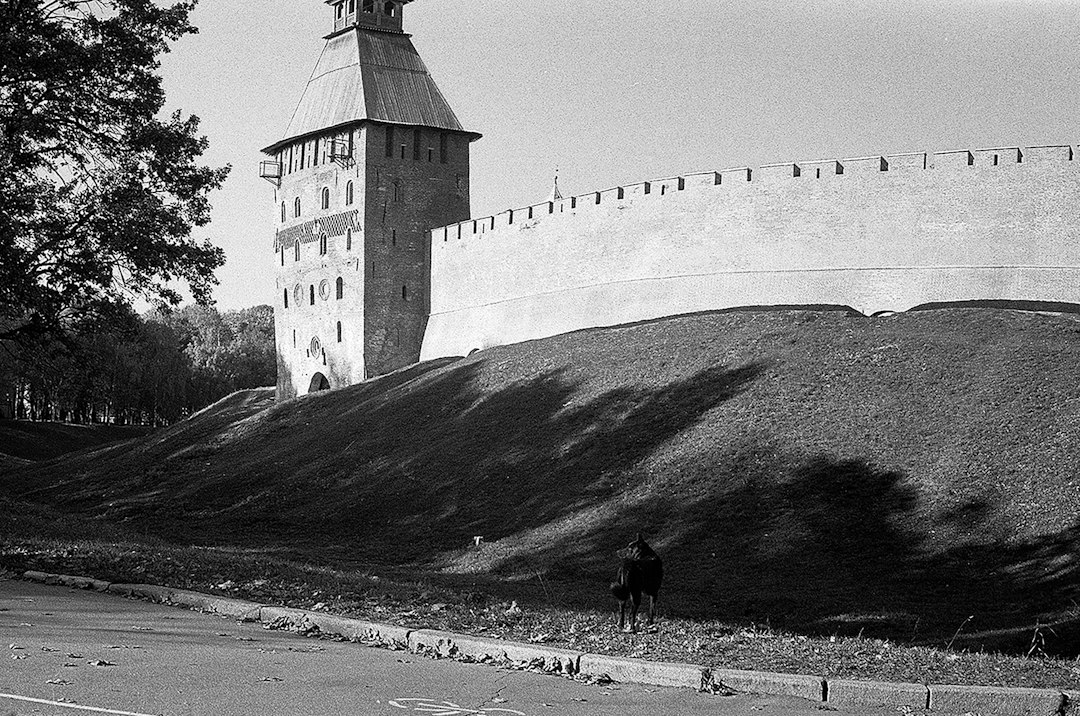
Within the episcopal complex, of which the Faceted Chamber is the heart, liturgical objects, vestments, and artifacts are displayed that document the wealth of the medieval Novgorod church. Some of the icons exhibited in the adjacent rooms date back to the 14th and 15th centuries, the golden age of icon painting in Novgorod, an artistic school with its own stylistic characteristics, distinct from that of Moscow. The vibrant colors — particularly cinnabar red and white — are recognizable distinguishing features even to the untrained eye.
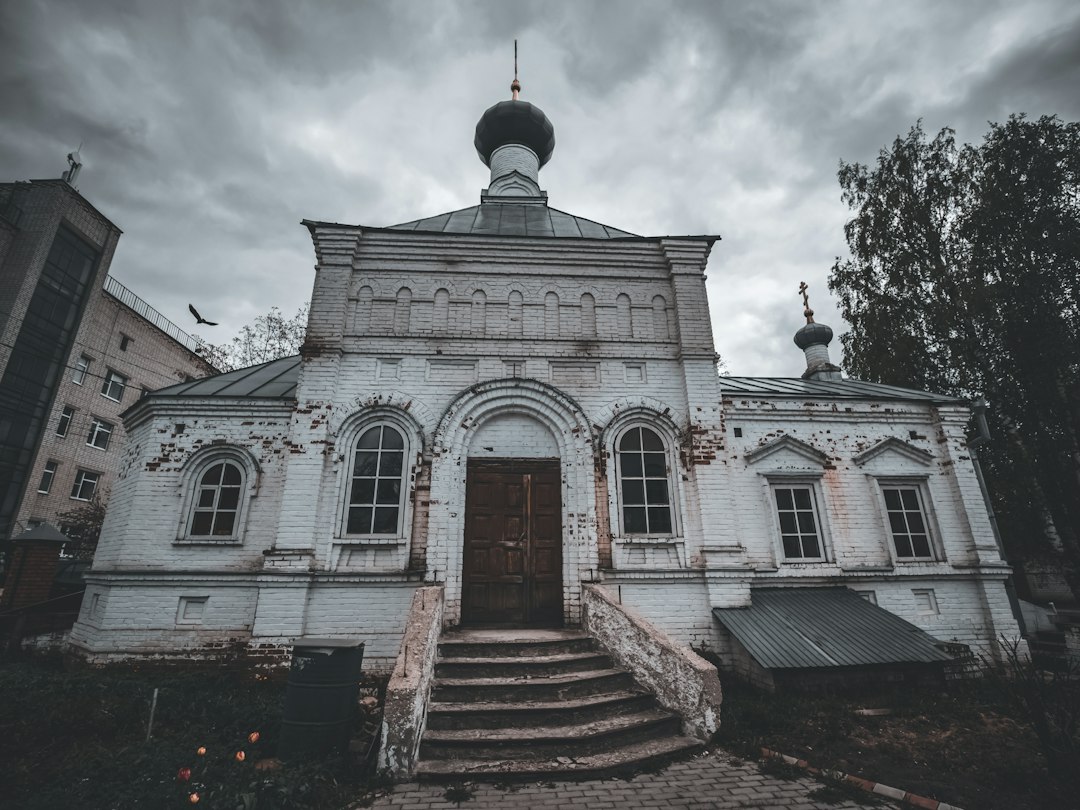
The Chamber itself was used for centuries as a banquet hall and for the official ceremonies of the archbishopric. After the conquest of Novgorod by Ivan III in 1478 and the end of the republic's independence, the palace continued to perform representative functions, but its political role gradually diminished. This historical transition is also readable in the architectural space: a building constructed to celebrate autonomous power, later absorbed into the orbit of Moscow.
How to visit the Episcopal Chamber
The Episcopal Chamber is located within the Kremlin of Veliky Novgorod (Novgorodsky Detinets), reachable on foot from the city center in about ten minutes from the main square. The entrance to the Kremlin is separate from the ticket for the internal museums: to visit the Episcopal Chamber and the adjacent exhibition rooms, it is necessary to purchase a specific ticket for the Historical and Architectural Museum of Novgorod, which costs approximately 300-400 rubles for adults, although prices may vary and it is advisable to check the official website before the visit.
The best time to visit is in the morning on weekdays, when organized groups are less numerous and the natural light filtering through the windows enhances the Gothic vaults. Plan at least 45-60 minutes just for this room and the adjoining rooms. Veliky Novgorod can be reached by train from St. Petersburg in about three hours, and it is often an overlooked stop on international itineraries, which means finding a less crowded environment compared to the large museums of the Russian capitals.
Why the trip is worth it
The Episcopal Chamber is not a place that imposes itself with grandeur. It works by subtraction: the scale is human, the details require attention, history is read in the edges of the ribs and in the fragments of fresco. For those interested in medieval architecture or the history of Russian art, it represents a privileged observation point on a moment of cultural opening that medieval Russia had towards Europe, before the roads definitively separated.
Veliky Novgorod as a whole — with the 11th-century Saint Sophia Cathedral, the Kremlin, and the Open-Air Museum of Wooden Architecture in Vitoslavlitsy — offers remarkable historical density in a geographically contained space. The Episcopal Chamber, in this context, is the Gothic detail that no one expects to find, and for this reason, it remains etched in memory longer.


