

Looking up at the spires of the Parroquia El Expiatorio Eucarístico in Guadalajara evokes a disorienting, almost dizzying sensation: one expects to find oneself in Cologne or Reims, not in the heart of western Mexico. And yet there it is, with its flying arches casting sharp shadows on the sidewalk of Colonia Americana, the pierced pinnacles rising against the blue Jalisco sky, the honey-colored stone changing shades as the hours pass. It is an unfinished cathedral that has been constructing itself for over a century, and it is precisely this incompleteness that is part of its charm.
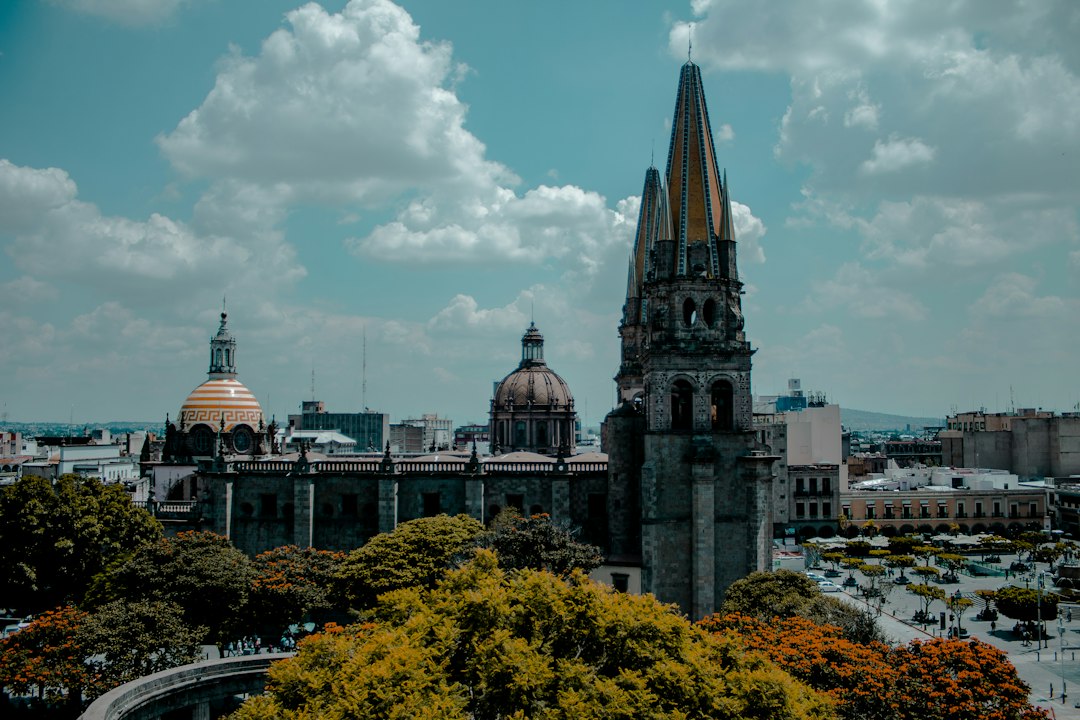
Construction began in 1897 based on the design of architect Adamo Boari, the same Italian-Mexican engineer who would later design the Palacio de Bellas Artes in Mexico City. The church was conceived in the neo-Gothic style that was then in vogue among Latin American Catholic elites, but the complexity of the project and the turbulence of the Mexican Revolution drastically slowed the work. Even today, more than one hundred twenty-five years after the laying of the first stone, some sections remain an open construction site — a detail that, rather than disappointing, makes the visit almost documentary-like: one witnesses a work of art as it takes shape.
The stone that tells: architectural details not to be missed
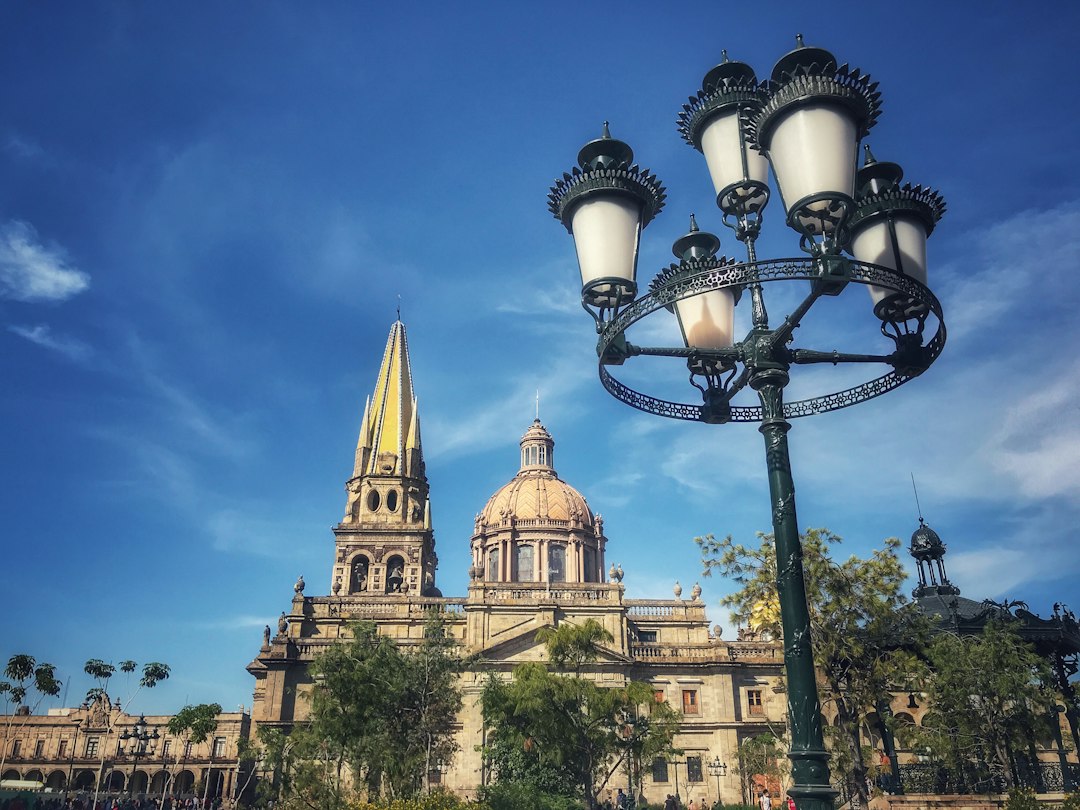
The main facade is the first blow to the heart. The quarry stone — the local ochre volcanic stone — reaches an almost incredible fineness: rose windows, blind arches, stacked columns, and gargoyles that protrude from the buttresses like silent sentinels. Getting close enough to almost touch the surface allows one to appreciate the craftsmanship of the work, largely executed by hand by local stonemasons who have passed down the technique from generation to generation.
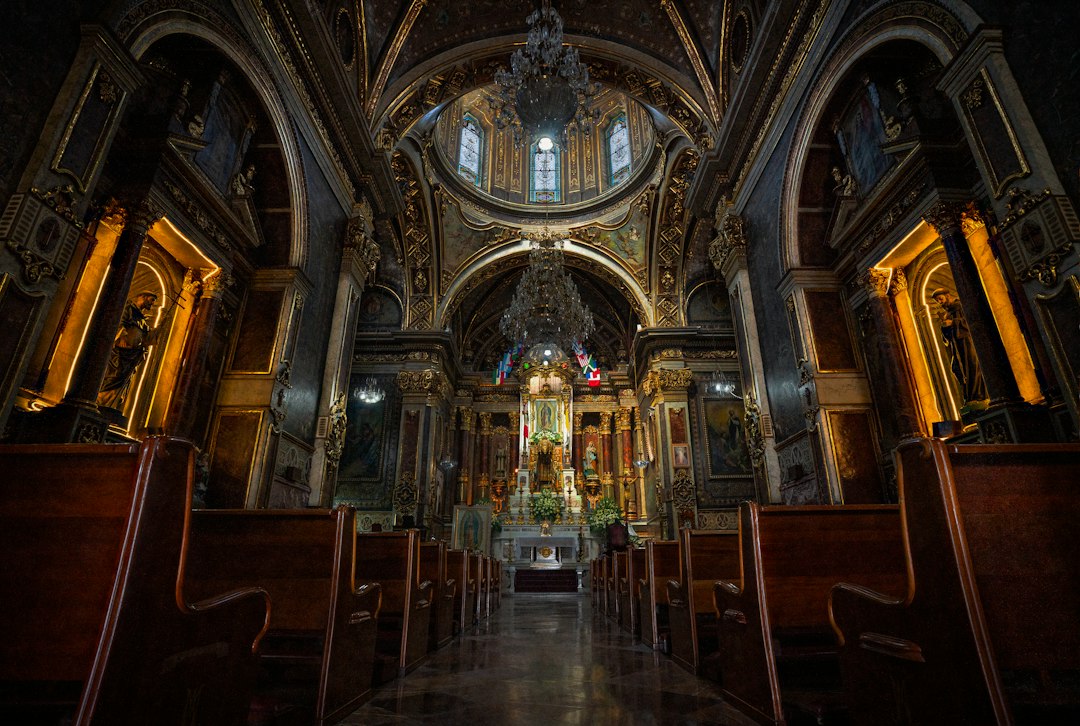
The lateral flying arches deserve a complete tour around the building. On the north side, in particular, one can observe the supporting structures still partially under construction, with scaffolding coexisting alongside perfectly finished sections from the 19th century. Inside, the stained glass windows — some imported from Europe, others made in Mexico — filter light into colored beams that move across the marble floor throughout the day. The side aisles host votive chapels decorated with traditional ex-votos, a popular element that contrasts with the austere Gothic rigor of the architecture and reminds us that this is first and foremost a living place of worship.
An Unfinished Project: The Story Behind the Spires
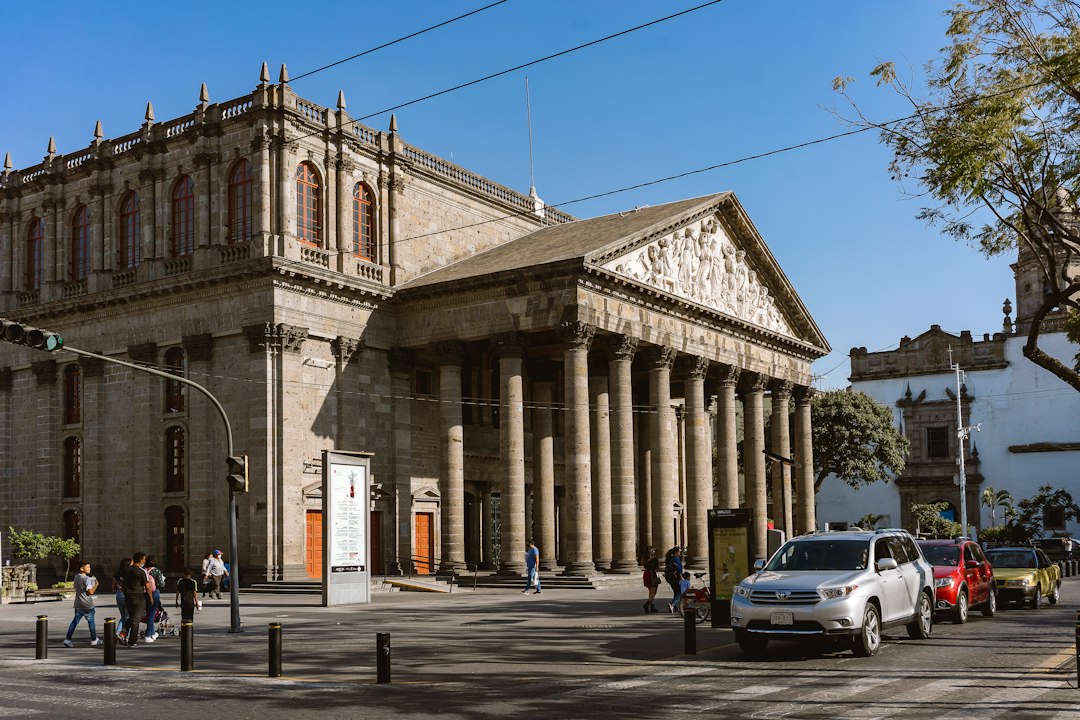
Understanding the history of the Expiatory means grasping something essential about Mexico in the twentieth century. The Cristero War of the 1920s, the armed conflict between the Mexican state and the rebelling Catholics, hit Jalisco hard — one of the states most involved in the conflict — and interrupted funding and labor for years. The church became a symbol of resistance for the local Catholic community, which continued to support it financially even in the most difficult times.
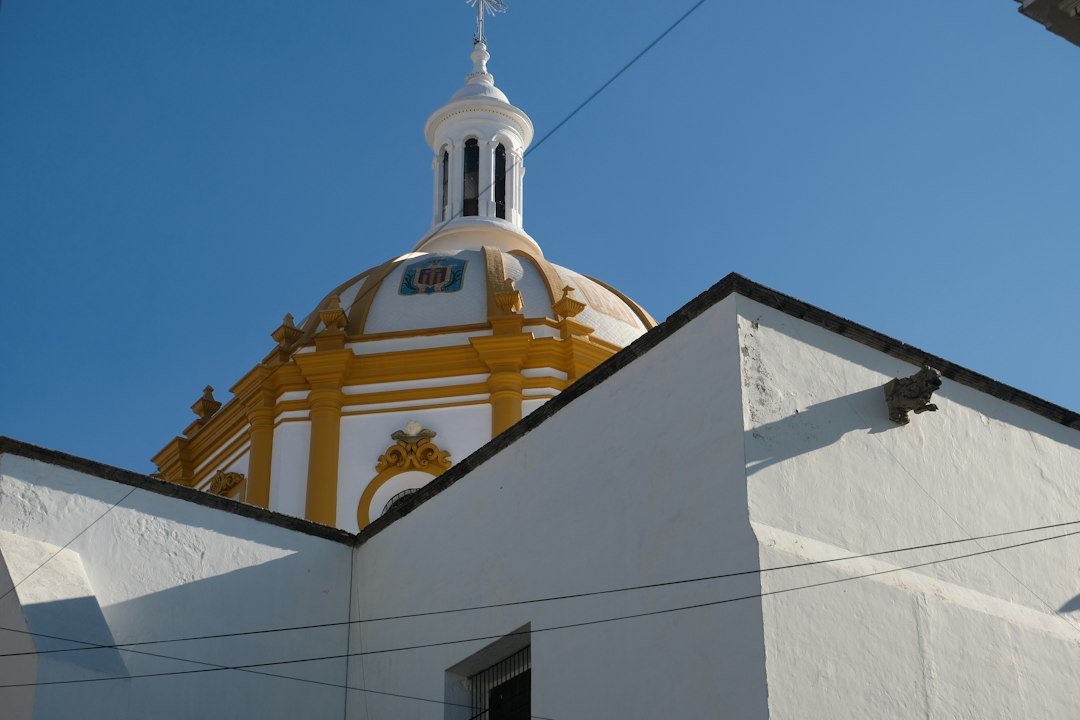
This historical stratification is readable in the building itself: the oldest sections show more elaborate stonework, while the later additions reflect different styles and budgets. This is not inconsistency, but an architectural chronology that an attentive observer can decipher by walking from one chapel to another. Some architectural historians consider the Expiatory a unique case study in Latin America precisely because of this century-long constructive continuity.
How to visit: practical tips to not miss anything
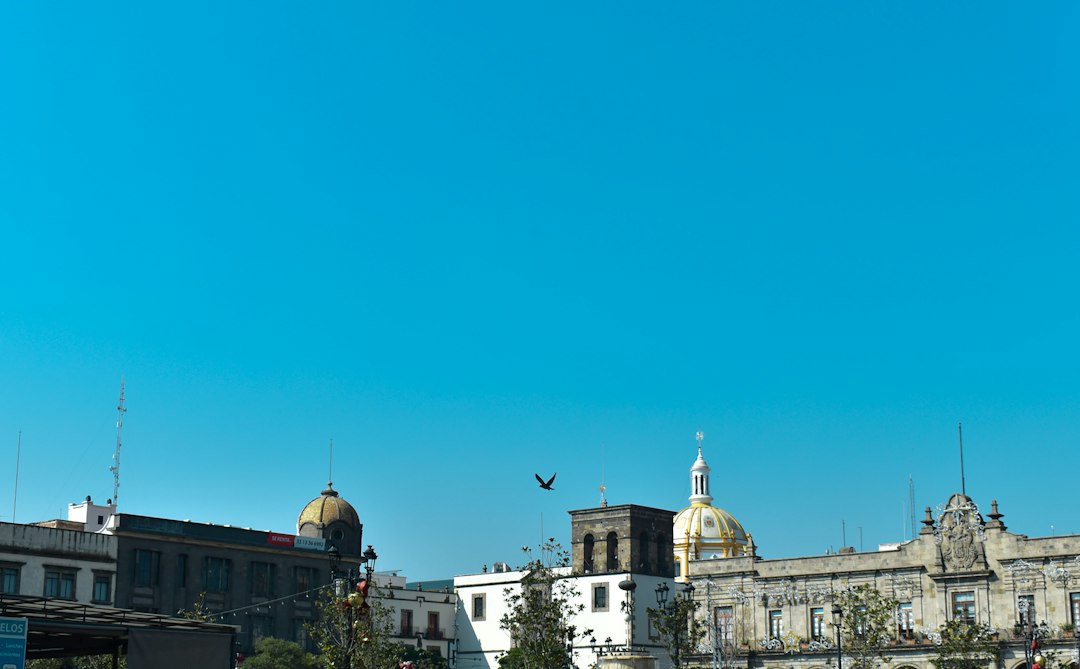
The church is located in the Colonia Americana neighborhood, about thirty minutes on foot from the historic center of Guadalajara or reachable by line 1 of the light rail (nearest stop: Juárez). Entrance is free, as with most Mexican parish churches, and the visit typically takes between forty and sixty minutes for those who want to observe carefully.
The best time for photography is early in the morning, between 8 and 10, when the slanting light enhances the reliefs of the stone and the interior is still quiet. It is best to avoid Saturday afternoons, when weddings and ceremonies concentrate and limit access to the naves. It is also worth stopping at the square in front, the Plaza del Expiatorio, which hosts a lively Sunday market of crafts and antiques: an opportunity to observe the building from the outside calmly, perhaps with a coffee in hand, and understand how it fits into the urban fabric of the neighborhood.
Why the trip is worth it even just for this
Most foreign tourists in Guadalajara focus on the historic center, the San Juan de Dios market, or the nearby magical town of Tlaquepaque. The Expiatorio remains a predominantly local discovery, frequented by neighborhood residents more than by organized tourist circuits. This marginality is, paradoxically, its greatest privilege: you can stand under the spires, look up, and feel the weight of one hundred and twenty years of craftsmanship without the mediation of a tour guide or a waiting line. Few cathedrals in the world still offer this experience.


