
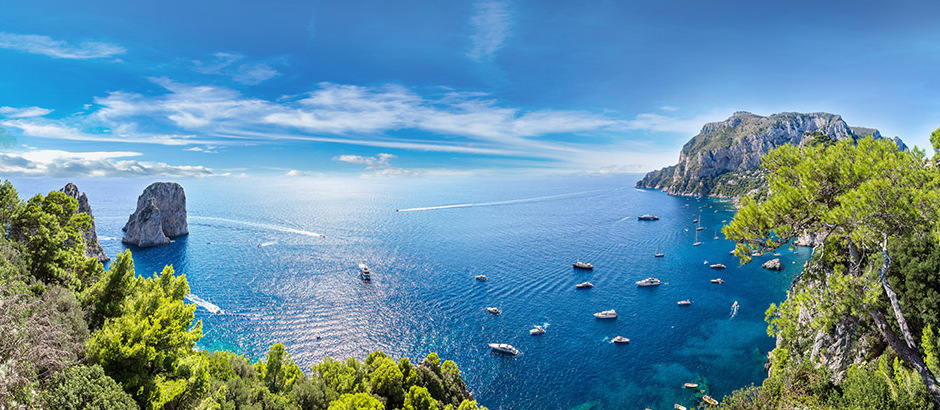

The famed island of Capri, a playground of the contemporary jet set, has roots that stretch back to prehistoric times. Evidence of human presence has been discovered from the Roman era, yet the island’s allure was solidified when Emperor Augustus chose it as his personal retreat in 29 BC. This marked the beginning of Capri's transformation into a sanctuary for the elite, a trend that only intensified in the following centuries.

Despite its compact size, Capri is rich in attractions, boasting twelve churches, seven museums, and numerous monuments that echo its storied past. Among these, the Villa Jovis, the grand palace of Emperor Tiberius, offers a window into the opulent lifestyle of ancient Roman royalty. Built around 27 AD, this villa not only provided stunning views of the sea but also served as a strategic lookout point against potential invaders.
The architecture of Capri is a captivating blend of traditional Mediterranean styles. The famous Piazza Umberto I, also known as the Piazzetta, is the heart of the island, adorned with charming cafes and a vibrant atmosphere. Here, tourists can admire the Church of Santo Stefano, built in the 17th century, which showcases exquisite baroque interiors. Not to mention, the Villa San Michele, constructed by the Swedish physician Axel Munthe, stands as a testament to the island's artistic significance, complete with a collection of art and artifacts reflecting Munthe’s passion for beauty and nature.
The local culture of Capri is woven into its traditions and customs. The island celebrates its heritage through various festivals throughout the year. One of the most vibrant is the Festa di San Costanzo, celebrated in May. This festival includes a colorful procession and local delicacies, culminating in a lively feast. Another highlight is the Capri Hollywood International Film Festival, attracting filmmakers and cinephiles from around the world, further cementing Capri’s status as a cultural hub.
When it comes to gastronomy, Capri boasts a delectable array of local specialties. The island is famous for its Caprese salad, made with fresh mozzarella di bufala, ripe tomatoes, basil, and a drizzle of olive oil, reflecting the simplicity and freshness of local produce. For a sweet treat, visitors should try the delizia al limone, a lemon-infused cake that captures the essence of the island’s zesty lemons. Pair your meals with a glass of Limoncello, a traditional lemon liqueur that is a staple of the region, often enjoyed as a refreshing digestif.
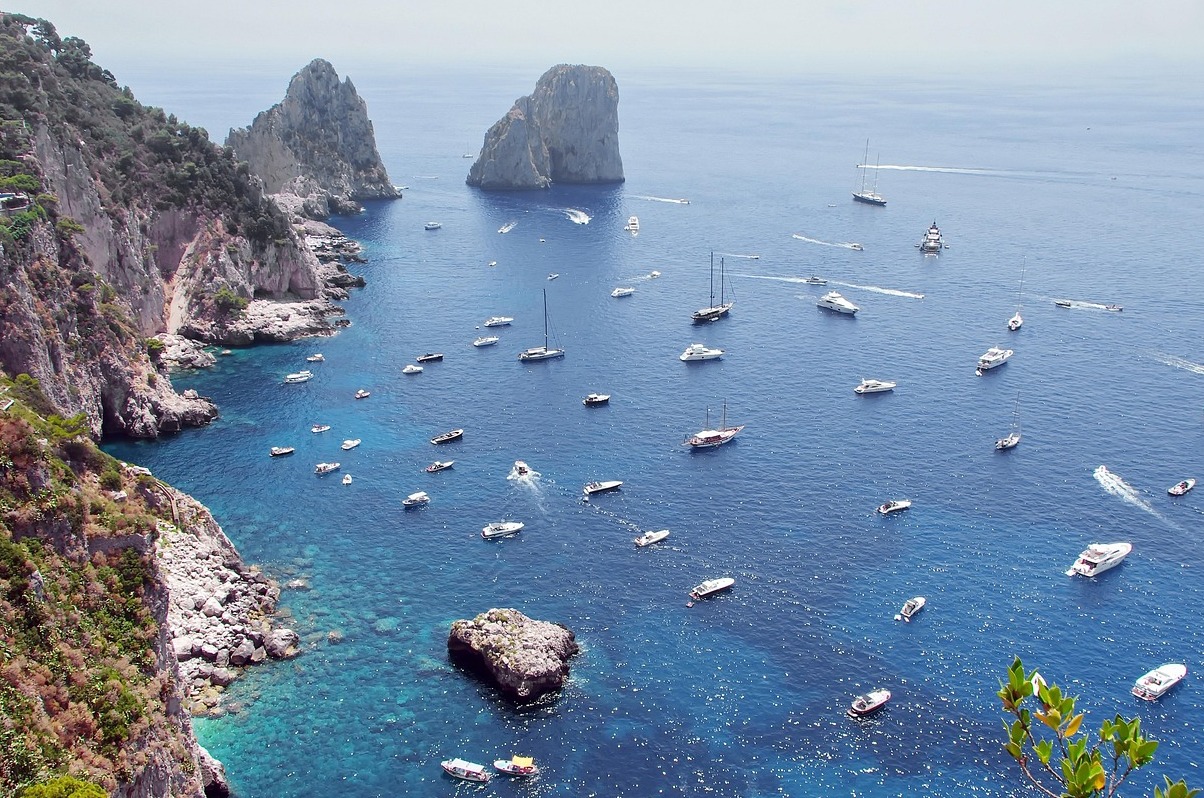
Beyond the well-trodden paths, Capri holds many lesser-known curiosities. For instance, the Blue Grotto, a stunning sea cave illuminated by an ethereal blue light, has captivated visitors for centuries. But few know that it was once a Roman emperor’s swimming pool, adorned with intricate mosaics. Additionally, the Faraglioni, the iconic rock formations jutting out from the sea, are not just scenic wonders; they are also steeped in local lore, believed to be the remains of a giant who once roamed the island.
The best time to visit Capri is during the spring (April to June) or early autumn (September to October). These seasons offer pleasant weather and fewer crowds, allowing visitors to fully immerse themselves in the island’s beauty. It's wise to explore the island on foot, as many hidden gems are tucked away from the main roads. Don’t miss a hike to Monte Solaro, the highest point on the island, for panoramic views that are simply breathtaking.
To navigate the island and uncover its secrets, consider downloading the Secret World app to personalize your AI itinerary for Capri, ensuring that you experience every enchanting corner of this Italian jewel.


