
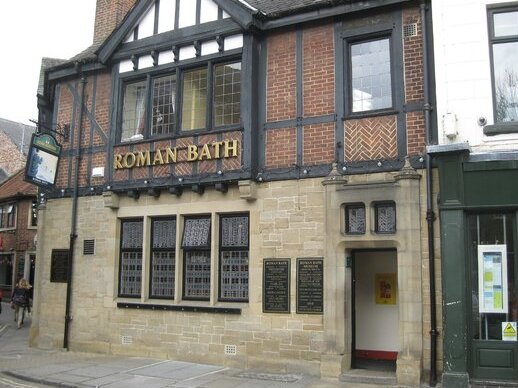

The Roman Bath in York is a captivating window into the city’s ancient past, revealing the lives of Roman soldiers and the architectural wonders of their time. As one of the most complete examples of York's Roman heritage, this site was serendipitously uncovered in 1930 during renovations to the pub situated above. What appeared to be a simple construction project transformed into an archaeological treasure, showcasing a sophisticated leisure centre that catered to the soldiers stationed at the nearby fortress.
The Roman Baths served not only as a place for bathing but also as a social hub for the military personnel who guarded the crucial junction of the Ouse and Foss rivers. These baths include three distinct areas: the Tepidarium, a warm room for relaxation; the Caldarium, a steam room for cleansing; and the Frigidarium, designed for cooling down after the heat. Each room reflects the Romans' advanced understanding of architecture and engineering, utilizing hypocaust systems to heat the floors and walls. The baths offered a communal space for soldiers to unwind, converse, and engage in daily life—elements that are often overlooked in the grand narratives of military history.
Diving deeper into the history and origins of the baths, we find that they were integral to the Roman fortress of Eboracum, which served as the base for the Ninth Legion. This legion played a pivotal role in campaigns against local tribes, including the Brigantes and Caledonians. Emperor Septimius Severus resided in Eboracum for three years until his death in 211 AD, further solidifying the location's importance in Roman Britain. The baths, therefore, not only represent a place of leisure but also a critical component of military life and imperial governance.
In terms of art and architecture, the Roman Bath showcases an exquisite blend of functionality and aesthetics characteristic of Roman design. The mosaic floors, although partially preserved, reveal intricate patterns that hint at the artistry of the time. Visitors can also admire the remnants of the stonework, which reflects the Romans' penchant for durability and grandeur. The use of columns and arches, along with the strategic layout of the baths, emphasizes the architectural sophistication that defined Roman public buildings.
Local culture and traditions have been influenced by the historical significance of the Roman Baths. While York boasts a vibrant medieval and modern life, the echoes of its Roman past continue to resonate. Festivals such as the York Roman Festival celebrate this rich heritage, featuring reenactments, traditional Roman games, and educational talks. These events not only draw crowds but also foster a sense of community and pride in the city's layered history.
When it comes to gastronomy, York has a rich culinary tradition that often nods to its Roman roots. While the ancient Romans enjoyed a diet of bread, olives, and wine, modern York offers a variety of local delicacies such as Yorkshire pudding and Wensleydale cheese. Visitors can savor a pint of local ale at the Roman Bath Pub, situated above the baths, where the atmosphere reverberates with history. Pairing local ales with traditional fare makes for a delightful culinary experience reflective of the area’s heritage.
Among the lesser-known curiosities that make the Roman Bath intriguing is the fact that the original bath complex is only partially excavated. There are ongoing discussions among archaeologists about what else might lie beneath the surface, hinting at further mysteries waiting to be uncovered. Additionally, the baths were not just functional; they served as a social equalizer, where soldiers of different ranks could interact, a rarity in the highly stratified Roman military.
For those planning a visit, the best time to explore the Roman Bath is during the off-peak season in spring or autumn when foot traffic is lighter. This allows for a more intimate experience with the site. Visitors should take their time to explore the three bathing areas and engage with the interactive exhibits that provide a glimpse into the lives of Roman soldiers. Don’t miss the chance to try on replicas of Roman armor, helmets, and shields, which enrich the immersive experience.
In summary, the Roman Bath in York is not just a relic of the past but a vibrant testament to the city's ancient history and cultural significance. Its architectural elegance, social importance, and culinary ties create a rich tapestry that continues to inspire visitors today. For a more personalized exploration of this historic site and beyond, consider using the Secret World app to plan your itinerary.


