
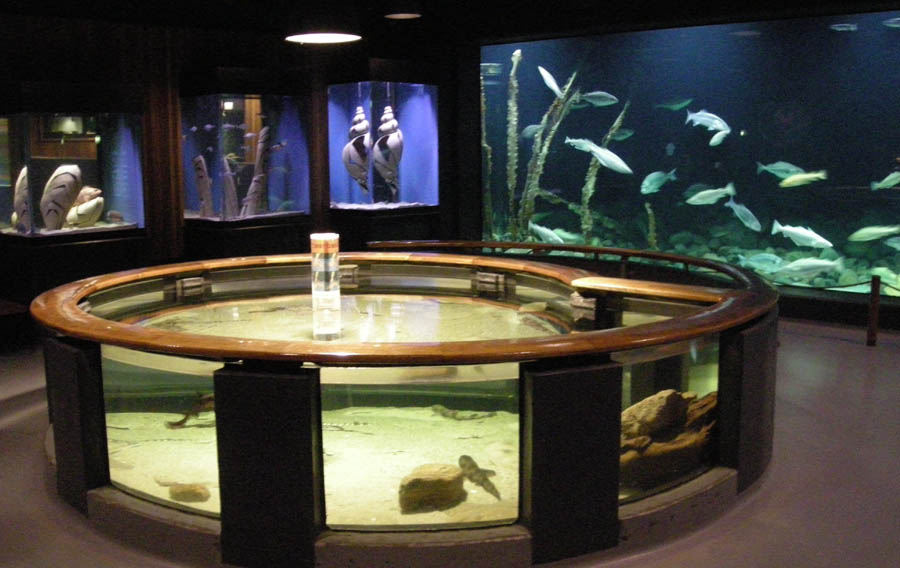

Nestled along the windswept shores of the North Sea, the Fisheries and Maritime Museum in Esbjerg, Denmark, is a captivating homage to the country's rich maritime heritage. Since its inauguration in 1968, the museum has been a beacon for those intrigued by the sea, seamlessly blending history with the natural beauty of the Danish coastline.
The museum's story begins in the late 1960s, a time when Esbjerg was emerging as a vital hub for Danish fisheries. Established to preserve and celebrate Denmark’s maritime legacy, the museum opened its doors to the public on April 20, 1968. It was a period marked by the modernization of fishing techniques and the expansion of global trade routes, making Esbjerg a bustling seaport. The museum’s founding was driven by a collective desire to protect and promote the maritime culture that had been the lifeblood of the region for centuries.
Architecturally, the museum is a harmonious blend of tradition and modernity. Its design reflects the maritime theme, with structures resembling the hulls of ships, creating an immersive experience even before entering. The outdoor exhibits are framed by the rugged beauty of the surrounding landscape, while the indoor spaces are thoughtfully curated to guide visitors through Denmark's maritime history. Notable artworks, such as the meticulously crafted ship models and maritime paintings, provide a vivid visual narrative of the region's seafaring past.
Esbjerg’s local culture is deeply intertwined with the sea, and the museum plays a crucial role in preserving this connection. The town is known for its annual Fiskeri- og Søfartsmuseum Festival, a vibrant celebration of maritime traditions featuring boat races, seafood tastings, and live folk music. These festivities offer a glimpse into the enduring spirit of the local community, where the sea is both a cherished friend and a formidable adversary.
No visit to the Fisheries and Maritime Museum would be complete without indulging in the local gastronomy. The region is renowned for its fresh seafood, and dishes such as smørrebrød topped with herring or prawns are a must-try. Paired with a crisp snaps or a locally brewed beer, these culinary delights are a testament to the area's fishing heritage. The museum's café offers a taste of these traditional flavors, allowing visitors to savor the essence of Esbjerg’s coastal cuisine.
Beyond the well-trodden paths, the museum holds a treasure trove of lesser-known curiosities. One such gem is the sealarium, where visitors can observe playful seals in a habitat that mirrors their natural environment. The seal feeding sessions are particularly popular, offering insights into the behavior and conservation of these charming creatures. Another intriguing feature is the collection of ancient fishing tools, which provides a tangible link to the past, showcasing the evolution of fishing technology over the centuries.
For those planning a visit, the museum is open year-round, but the best time to experience its full charm is during the summer months when the outdoor exhibits come alive under the long Scandinavian days. Arriving early in the day is advisable to avoid the crowds and to take advantage of the guided tours that offer deeper insights into the exhibits. Don’t miss the chance to explore the expansive outdoor area, where you can enjoy panoramic views of the North Sea and the ever-changing Danish sky.
In conclusion, the Fisheries and Maritime Museum in Esbjerg is not just a repository of artifacts but a living narrative of Denmark's relationship with the sea. Its unique blend of history, art, and culture, set against the backdrop of the North Sea, makes it an unforgettable destination for those seeking to understand the maritime soul of Denmark.


