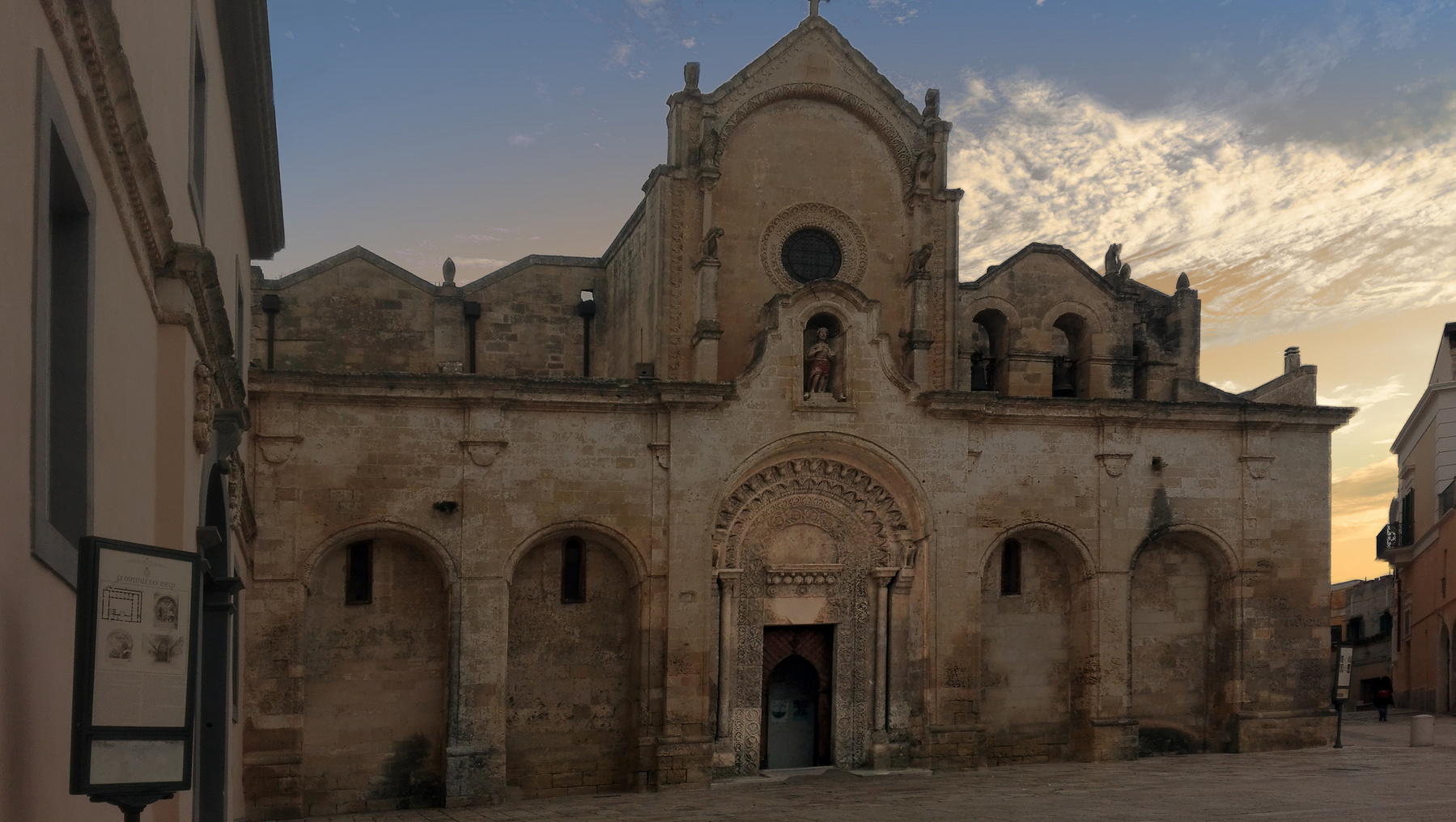


Nestled in the heart of Matera, the former San Rocco Hospital and the quaint Church of the Flagellated Christ intertwine history, art, and community in a way that few places can. This historical gem, which dates back to the 17th century, not only showcases remarkable architecture but also serves as a testament to the resilience and spirit of the local populace.
### History and Origins
The San Rocco Hospital was established in 1656 by the Congregation of San Rocco, a group that emerged during a tumultuous period marked by health crises, particularly the plague that ravaged the region. This institution became a sanctuary for the sick and needy, offering solace and care when it was most needed. As Matera grappled with these calamities, the hospital provided not just medical assistance but also became a haven for artists drawn to the city's unique light and landscape.
Over time, the hospital evolved, reflecting the changing needs of the community. By the late 18th century, it had become a center for artistic expression, where painters and sculptors found inspiration amid the healing environment. The Church of the Flagellated Christ, part of the complex, is adorned with stunning frescoes that narrate the story of Christ’s passion, showcasing the profound connection between faith, health, and creativity that permeated the space.
### Art and Architecture
Architecturally, the San Rocco Hospital is a stunning example of Baroque style, characterized by its elaborate decorations and dramatic contrasts. The façade features intricate stone carvings that reflect the craftsmanship of the period, inviting visitors to explore the interior's serenity. Inside, the Church of the Flagellated Christ boasts an array of frescoes that date back to the 18th century, with works attributed to local artists including Francesco Paolo D’Angelo.
One of the church's most notable artworks is the Statue of the Flagellated Christ, a poignant representation of suffering and redemption that has captivated both locals and visitors alike. This statue, along with the surrounding frescoes, invites contemplation and reverence, enhancing the spiritual atmosphere of the site.
### Local Culture and Traditions
The cultural significance of the San Rocco Hospital extends beyond its walls. The local community continues to celebrate San Rocco, the patron saint of the sick, with annual festivities that include processions, music, and traditional feasting. Every 16th of August, the streets of Matera come alive with vibrant celebrations, drawing visitors who seek to experience the deep-rooted customs of the region.
During these festivities, locals prepare traditional dishes such as orecchiette pasta and peperoni cruschi (crispy peppers), which highlight the region's culinary heritage. The flavors of Matera are woven into the fabric of its cultural celebrations, showcasing how food serves as a means of community bonding and tradition.
### Gastronomy
Speaking of gastronomy, Matera is renowned for its rich culinary landscape. The local cuisine features earthy flavors and simple ingredients, reflecting the agricultural bounty of the surrounding hills. The famous Pane di Matera, a rustic bread made from durum wheat, is a staple on every table and is often paired with local cheeses and cured meats.
Visitors should also try cucina povera, a traditional peasant dish made with seasonal vegetables and legumes, embodying the spirit of the region’s history of resourcefulness. The local wine, particularly Aglianico del Vulture, complements these hearty meals, providing a taste of the region’s viniculture.
### Lesser-Known Curiosities
While many tourists flock to the more famous sights of Matera, the San Rocco Hospital offers unique insights often overlooked. For instance, the hospital's original patients were not just the sick; it also served as a refuge for artists seeking inspiration. Some of the frescoes inside the church were painted by artists who were once residents of the hospital, merging their healing journeys with their artistic passions.
Additionally, the site is home to a series of underground tunnels that were once used for transporting sick patients, adding an intriguing layer to its historical narrative. These lesser-known aspects reveal the depth of the hospital’s role in both the healthcare and artistic evolution of Matera.
### Practical Visitor Information
The best time to visit San Rocco Hospital and the Church of the Flagellated Christ is during the spring and fall months, when the weather is mild and the crowds are fewer. When planning your visit, be sure to check for local events or festivals that may coincide with your trip, as these can greatly enhance your experience.
As you explore the site, take time to appreciate the intricate details of the artwork and the architecture. Don't forget to engage with local guides, who can offer deeper insights into the history and significance of the hospital and church.
This enchanting site in Matera encapsulates the spirit of a community that has weathered storms, both literal and metaphorical. The intertwining of health, art, and tradition creates a unique tapestry that continues to inspire.
To make the most of your visit, consider using the Secret World app to craft a personalized itinerary for exploring the wonders of Matera.
