
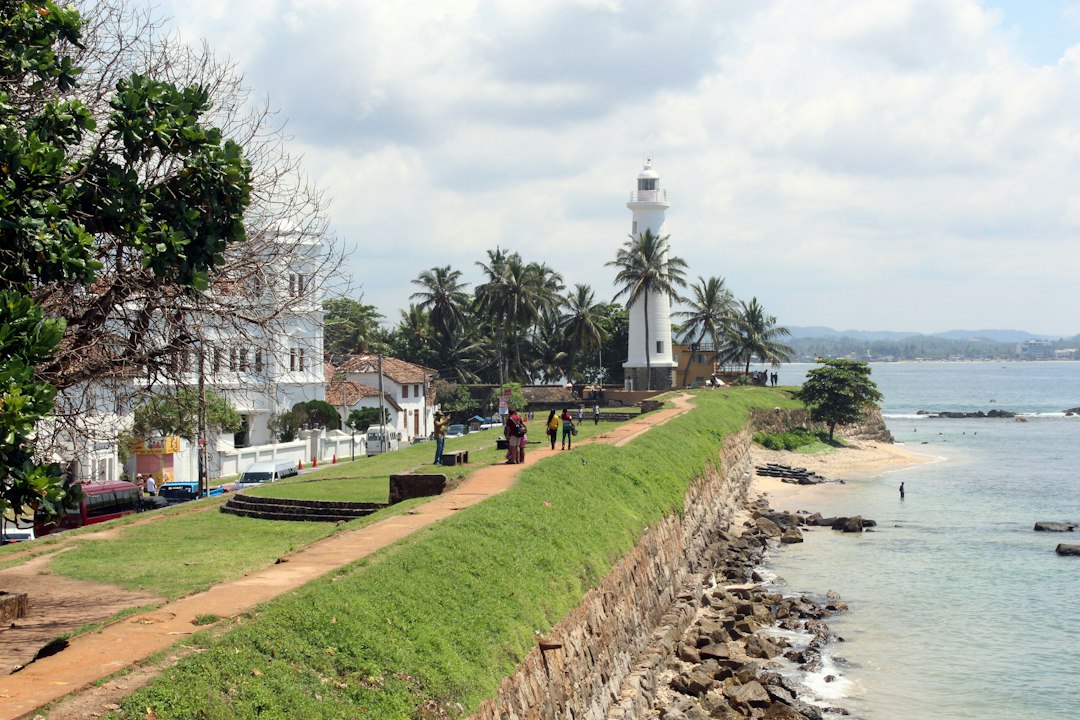

A white light rises above the coral stone walls of a colonial fort, surveying the Indian Ocean for centuries. The Galle Lighthouse is not simply a signaling tower: it is considered the oldest functioning lighthouse in Asia, and it stands within the walls of the Galle Fort, a defensive complex built by the Portuguese in 1588 and later expanded by the Dutch in the 17th century. Walking to its base means traversing layers of colonial history, where every stone tells of trade routes, conquests, and stormy seas.

The current structure of the lighthouse dates back to 1939, when it was rebuilt to replace a previous version. Standing about 26 meters tall, the white tower rises above the fort's walls with an almost austere simplicity, but it is this very contrast — the functional modernity of the tower against the antiquity of the Dutch walls — that makes it visually striking. The light, visible up to about 26 nautical miles away, is still operational and continues to guide vessels navigating the waters of southern Sri Lanka.
Within the Walls of the Fort: a Unique Context in the World
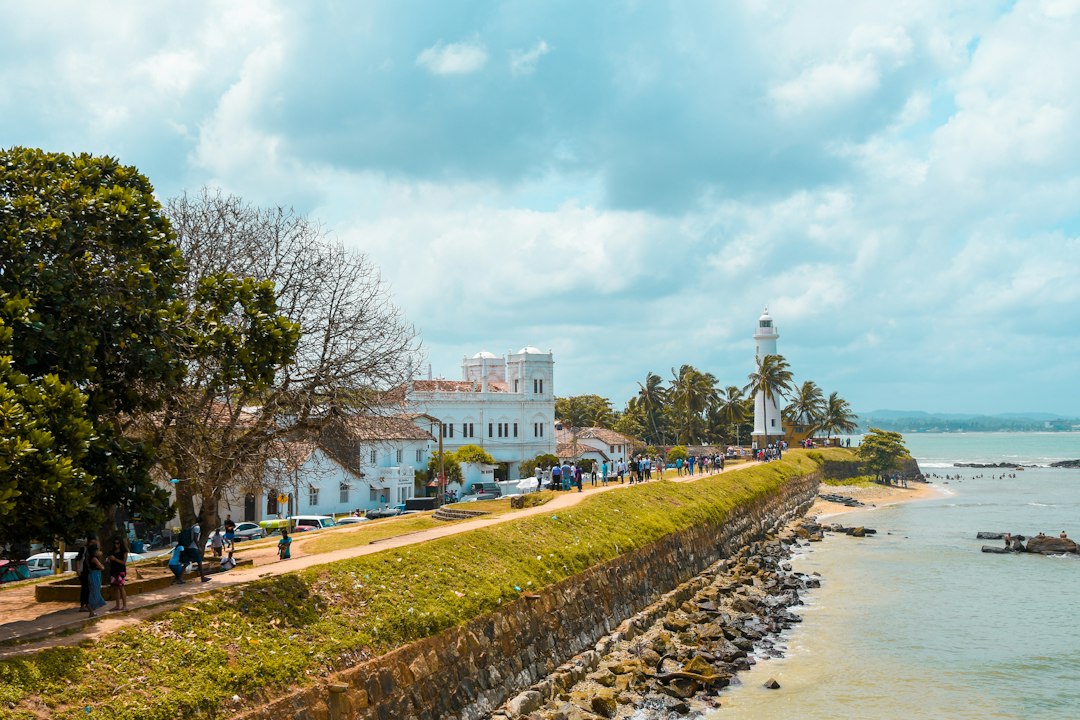
Few lighthouses in the world can boast a similar architectural context. The Fort of Galle has been a UNESCO World Heritage Site since 1988, and the lighthouse is one of its most photographed elements. Walking along the ramparts, one encounters Dutch churches from the seventeenth century, old colonial warehouses transformed into boutique hotels and cafes, and cobblestone streets where cats perch on the walls as if time had never passed. The lighthouse emerges from this scene as a physical and symbolic point of orientation.
On the outer side of the walls, looking towards the sea, breathtaking views unfold: the ocean stretches in every shade of blue and green, while below, fishermen can be seen on wooden stilts — a traditional technique of southern Sri Lanka — and colorful fishing boats returning to the harbor. At sunset, the slanting light paints the stones orange and the waves red, creating a spectacle that alone is worth the trip to Galle.

The Portuguese and Dutch history etched in stone
Visiting the lighthouse also means reading the colonial history of Sri Lanka written in the surrounding architecture. The Portuguese built the first fort on this promontory at the end of the 16th century, but it was the Dutch of the VOC — the Dutch East India Company — that transformed Galle into one of the strongest fortresses in South Asia between 1663 and 1729. The walls, thick up to three meters, the angled bastions according to the principles of European military architecture of the time, and the partially preserved moat are all elements still visible today.

Inside the fort is also the Galle Maritime Museum, housed in an ancient Dutch warehouse, where it is possible to delve into the history of the trade routes that passed through this port. Ancient navigation instruments, maps, and shipwreck artifacts complete the story that the lighthouse introduces from the outside.
How to visit the Galle Lighthouse: practical tips

The lighthouse is not open to the public for internal climbing — it is an operational structure — but its base can be reached on foot by walking along the fort's ramparts. The best time to visit is late afternoon, about an hour before sunset: the light is ideal for photography and the temperatures are more bearable compared to the central hours of the day, when the sun beats down on the white stones. Allow at least two hours to explore the fort in its entirety, including the lighthouse area.
To reach Galle from Colombo, the most comfortable and scenic way is the coastal train, with a journey of about two and a half hours that runs along the ocean for a good part of the route. The second-class ticket costs a few euros. Once in Galle, the fort is reachable on foot from the station. Avoid weekends if you want fewer crowds, and bring enough water because refreshment points inside the fort are not always easily available along the ramparts. Entrance to the fort is free and without charge.
Why it is worth stopping here
The Galle Lighthouse still operates every night, sending its light signal over the Indian Ocean just as it did decades ago. There is something profoundly tangible about this: not a museum-like monument, but a tool still useful, still alive. Standing next to its base at twilight, with the wind coming from the sea and the walls of the fort darkening around you, is one of those travel moments that require no explanations. The lighthouse does its job, and you are there watching it do so.


