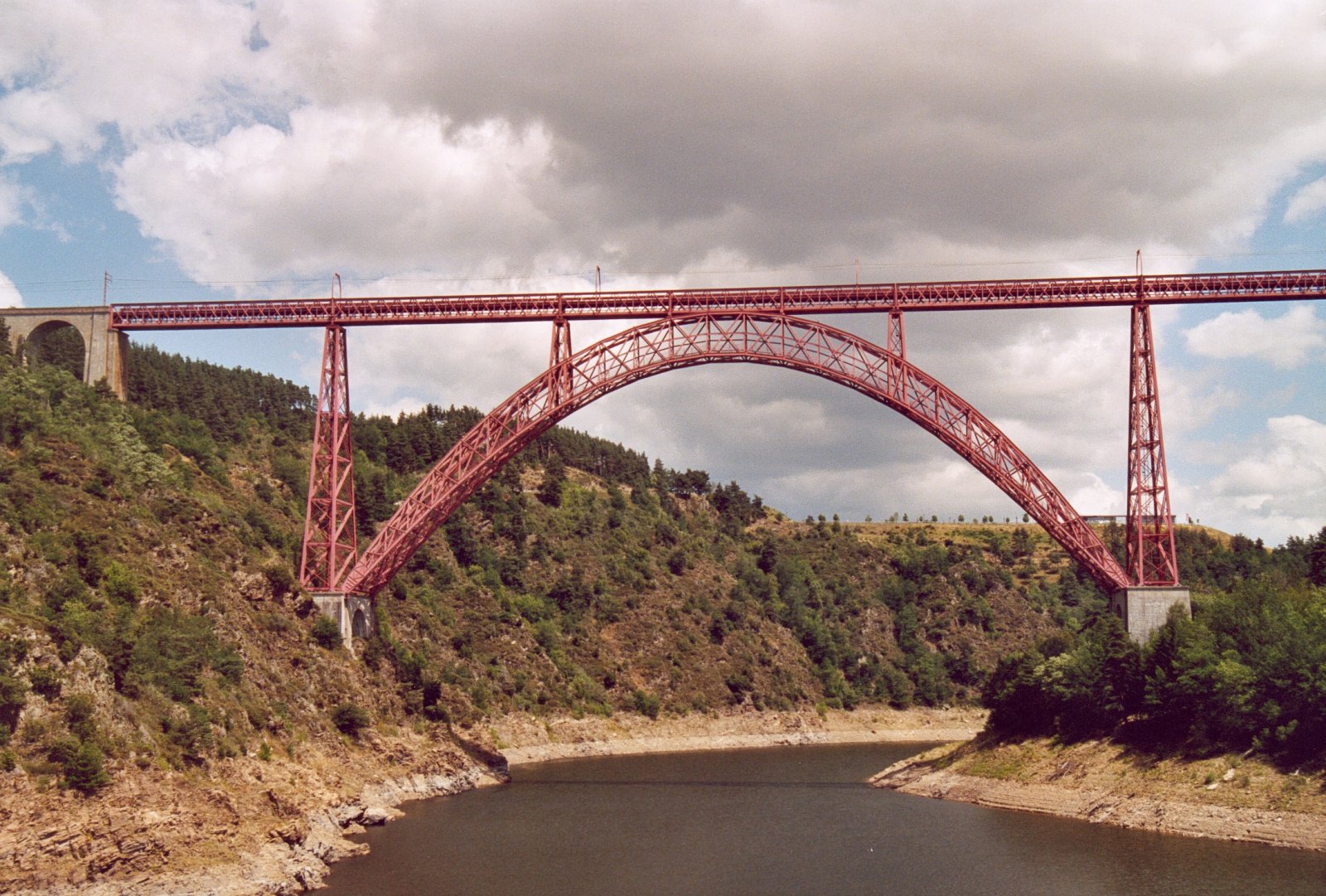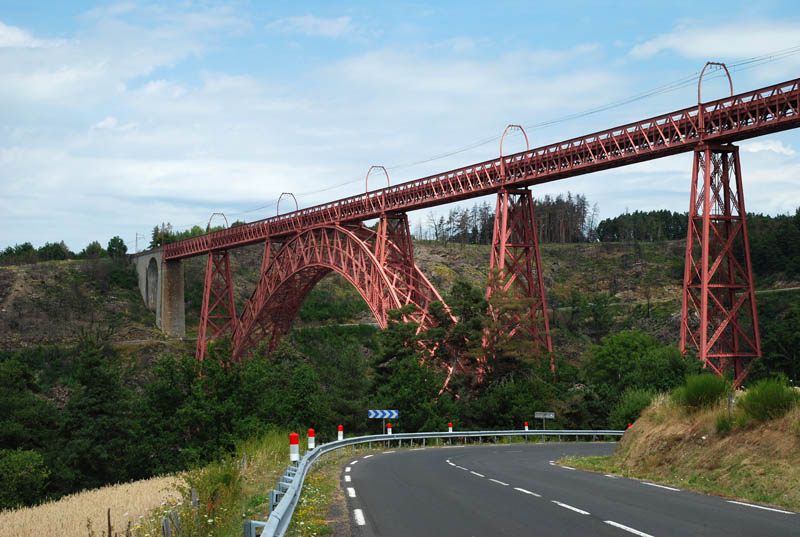

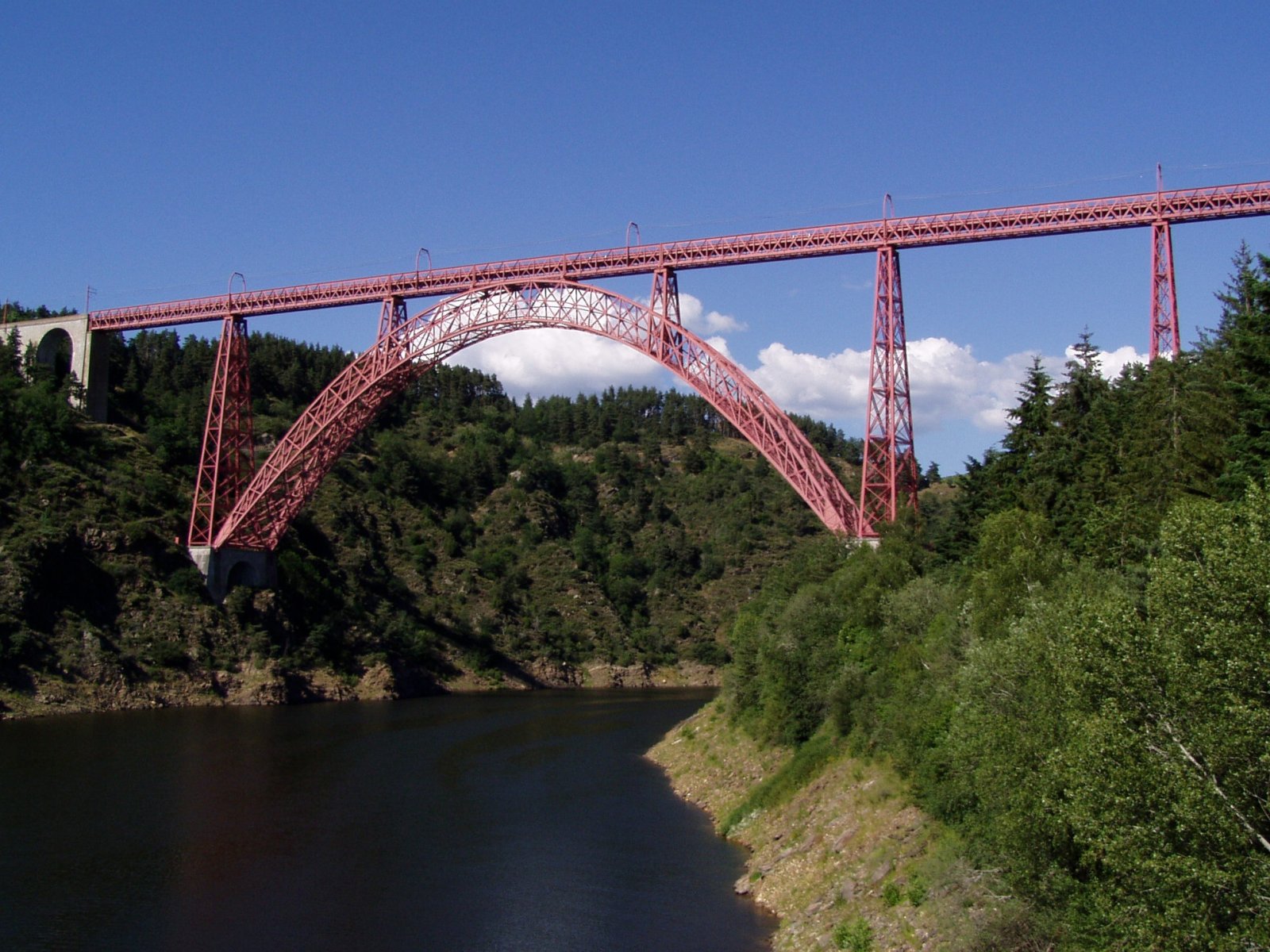
Nestled in the heart of the Auvergne region, the Garabit Viaduct stands as a testament to the ingenuity of 19th-century engineering. Completed in 1884, this towering structure stretches 565 meters long and reaches a height of 122 meters, elegantly arching over the River Truyère. The viaduct was designed by the renowned engineer Gustave Eiffel and is an iconic example of iron architecture, combining functionality with aesthetic appeal. Its construction was pivotal in establishing Eiffel's reputation and the company's prominence in civil engineering.
### History and Origins The origins of the Garabit Viaduct are deeply intertwined with France's expanding railway network in the late 19th century. The Cantal region, known for its stunning landscapes, presented unique challenges for the construction of the railway line connecting Marvejols and Neussargues. The project began under Eiffel & Cie after the success of the Maria Pia Bridge in Porto, Portugal. The French state's Highways Department recognized Eiffel’s expertise and awarded the contract directly to him, bypassing the typical competitive tendering process. The construction was a feat of engineering, involving the use of innovative techniques and materials that were avant-garde for the time.
### Art and Architecture Architecturally, the Garabit Viaduct is a striking fusion of Gothic and industrial styles. Its graceful arches and intricate ironwork reflect the aesthetic sensibilities of the period while showcasing the raw power of iron as a structural material. The viaduct’s elegant design is not only functional but also visually stunning, making it a subject of admiration for architects and tourists alike. The use of red iron lends a dramatic flair, especially when contrasted against the verdant backdrop of the surrounding hills. The viaduct is not merely a transportation structure; it is a monument to human creativity and perseverance, celebrated for its artistic significance in the realm of civil engineering.
### Local Culture and Traditions The village of Ruynes-en-Margeride is rich in culture and tradition, deeply influenced by its historical context. The community often celebrates local customs that center around the region’s agricultural heritage. One of the most vibrant events is the Fête de la Margeride, held annually in July, where locals and visitors alike engage in traditional dances, music, and artisan markets showcasing local crafts. The presence of the viaduct adds a unique charm to these festivities, serving as a backdrop that connects past and present.
### Gastronomy As you explore the local landscape, your culinary journey should not be overlooked. The Auvergne region is famed for its cheeses, particularly Saint-Nectaire and Cantal, which derive their unique flavors from the lush pastures surrounding the area. Pair these with a glass of Côtes d'Auvergne wine for a true taste of the region. Additionally, be sure to sample the hearty local dish known as truffade, a comforting blend of potatoes and cheese that epitomizes the rustic cuisine of this mountainous terrain.
### Lesser-known Curiosities While the Garabit Viaduct is celebrated for its engineering prowess, there are fascinating stories that often go unnoticed. The viaduct was initially met with skepticism from some locals who feared it would disrupt the natural beauty of the landscape. However, over time, it became a beloved symbol of the region. Interestingly, the viaduct was also once featured in a famous French film, bringing it to the attention of a broader audience and solidifying its place in popular culture.
### Practical Visitor Information The best time to visit the Garabit Viaduct is during the late spring and early autumn months when the weather is mild, and the surrounding nature is at its most vibrant. Visitors can enjoy stunning views from designated viewpoints, with opportunities for photography that capture the beauty of the viaduct against the backdrop of the Truyère Valley. For those wishing to explore the local area, hiking trails abound, offering a chance to soak in the natural beauty while learning about the region's history.
### Conclusion In conclusion, the Garabit Viaduct is not just an engineering marvel; it is a cultural icon that embodies the spirit of innovation and resilience. From its historical significance to its artistic beauty and local traditions, this remarkable structure deserves a place on any travel itinerary. To make the most of your visit to Ruynes-en-Margeride, consider using the Secret World app for a personalized itinerary that helps you discover all that this enchanting region has to offer.