



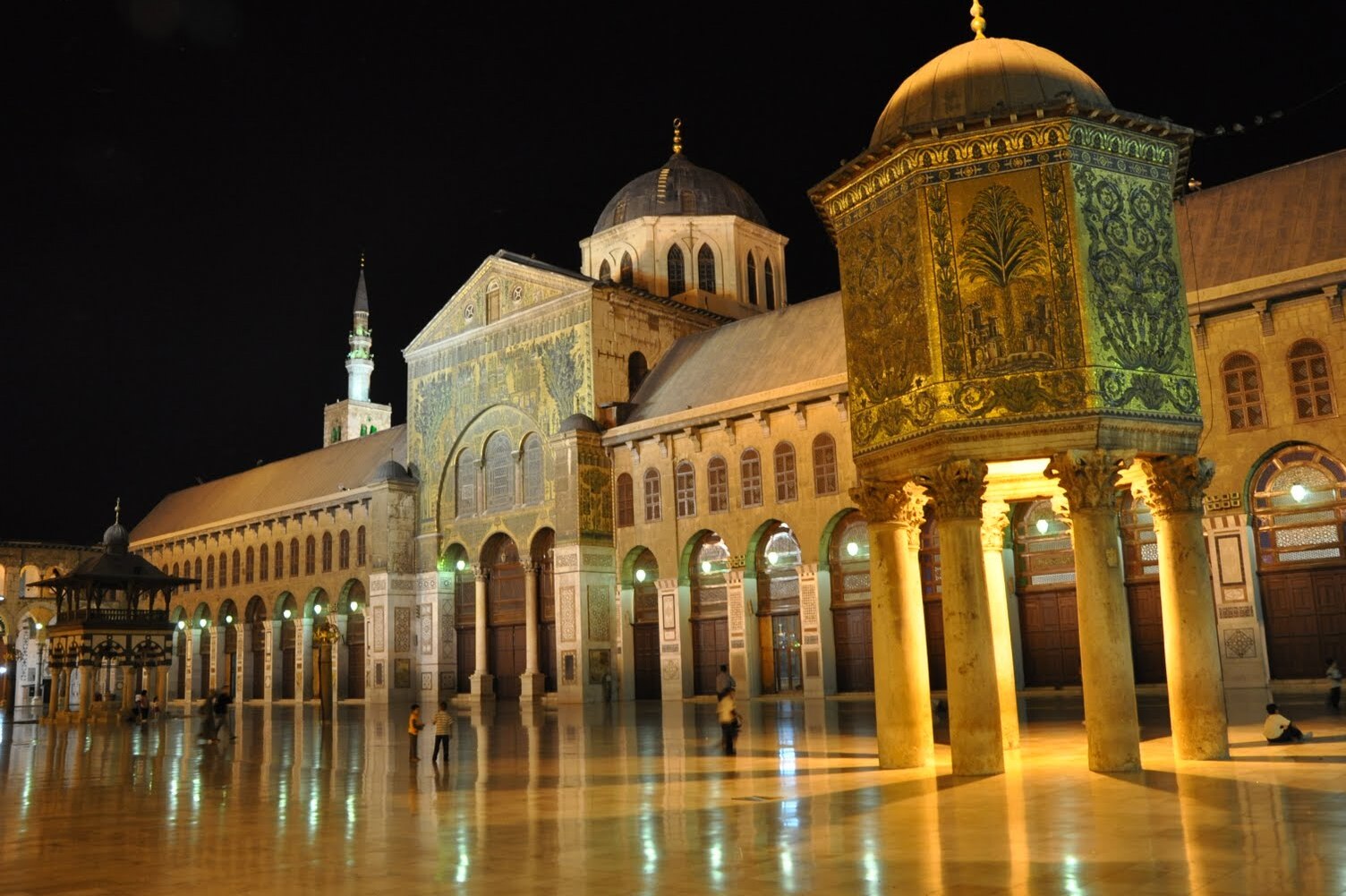
The Grand Mosque of Damascus, commonly known as the Umayyad Mosque, stands as a monumental testament to the rich tapestry of history, religion, and architecture that defines the city of Damascus, Syria. Dating back to the 8th century, the mosque is not only one of the largest and oldest in the world but also holds significant importance for both Muslims and Christians alike.
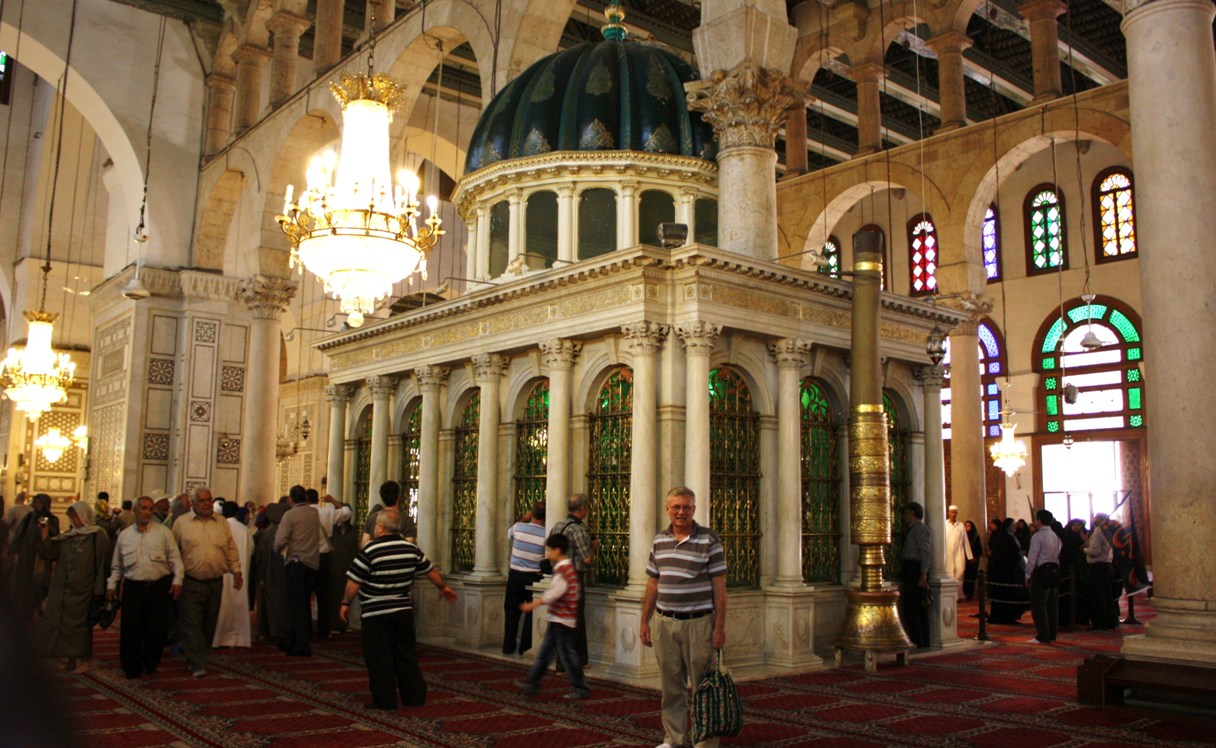
### History and Origins The Umayyad Mosque was commissioned by the Umayyad Caliph Al-Walid I in 706 AD, marking a pivotal moment for Islamic architecture. Built on the site of a Christian basilica dedicated to John the Baptist, the mosque’s construction reflected the cultural synthesis of the period. Remarkably, the mosque was completed in just five years, opening its doors in 711 AD. Over the centuries, it has witnessed numerous historical events, including the tumultuous periods of the Crusades and the Ottoman Empire, each leaving their mark on this sacred space.
One of the mosque's most notable features is the tomb of Saladin, the famed Muslim leader who recaptured Jerusalem, located in a small garden adjoining the mosque’s north wall. His legacy resonates deeply within the mosque's walls, symbolizing the resilience and strength of the region.
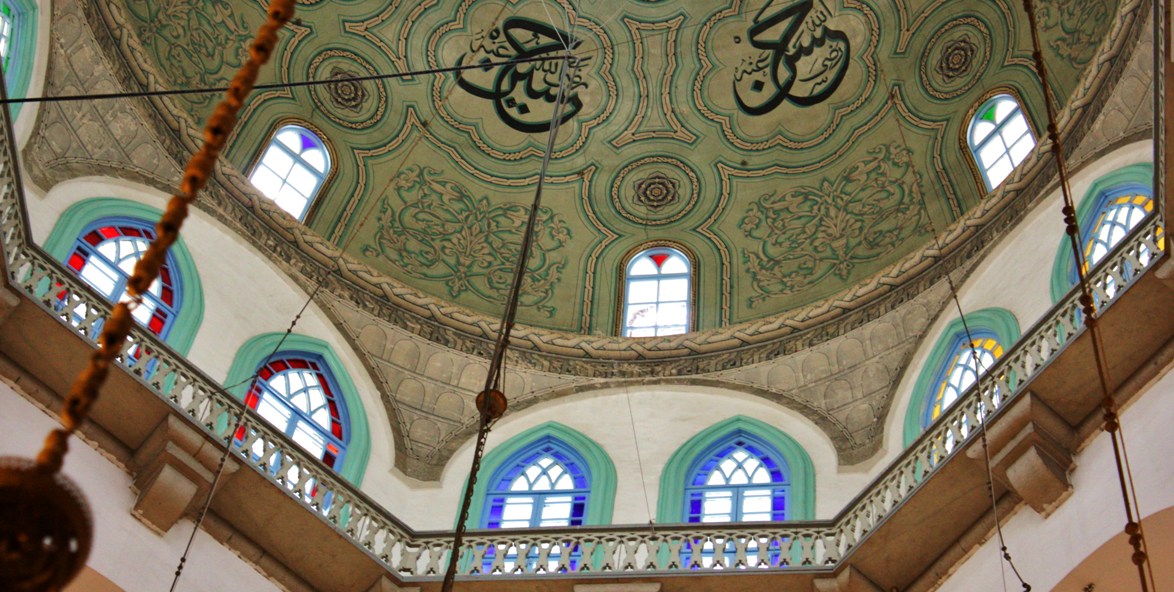
### Art and Architecture The architectural style of the Umayyad Mosque is a stunning example of early Islamic design, fusing elements from Byzantine, Roman, and Persian architecture. The mosque is characterized by its grand courtyard, surrounded by majestic arcades, and its striking minarets that rise elegantly into the sky. The intricate mosaics that adorn the interior are some of the finest in the world, depicting landscapes and architectural motifs, which reflect the artistic tendencies of the time.
The mosque is also home to a shrine believed to contain the head of John the Baptist, revered in both Islamic and Christian traditions. This dual significance enhances the mosque's status as a center of pilgrimage and devotion, drawing visitors from around the globe.
### Local Culture and Traditions The Umayyad Mosque is not just a religious site; it is a vibrant part of daily life in Damascus. Locals often gather for prayers, and various cultural events are held here, including discussions on Islamic theology and community gatherings. The mosque serves as a backdrop for significant festivals such as Eid al-Fitr and Eid al-Adha, where the community comes together to celebrate with prayers, feasting, and socializing.
An interesting local custom involves the practice of Ziyara, where Muslims seek blessings by visiting holy sites, including the Umayyad Mosque. This practice fosters a sense of community and spiritual connection among worshippers.
### Gastronomy No visit to Damascus is complete without indulging in its rich gastronomy. The area surrounding the Umayyad Mosque is filled with eateries and street vendors offering traditional Syrian dishes. Kebabs, hummus, and falafel are staples, but be sure to try kibbeh, a dish made from ground meat and spices, often served with yogurt sauce.
For dessert, the sweet and sticky baklava is a must, layered with nuts and honey. Pair your meal with a glass of arak, an anise-flavored spirit that is popular in the region, or traditional mint tea for a refreshing experience.
### Lesser-Known Curiosities Many tourists miss the serene beauty of the mosque’s gardens, which provide a tranquil escape from the bustling city. The Umayyad Mosque is also reputed to have one of the oldest continuously functioning libraries in the Islamic world, housing ancient manuscripts and texts.
Moreover, locals often share tales of miraculous events associated with the mosque, including stories of healing through prayer in the shrine of John the Baptist. Such narratives add a layer of mystique and depth to the mosque’s storied past.
### Practical Visitor Information The Umayyad Mosque is accessible year-round, but the best time to visit is during the spring and autumn months, when the weather is milder. Visitors should dress modestly, respecting the sacred nature of the site. A guided tour can enhance your experience, offering insights into the mosque’s rich history and architecture.
Make sure to take note of the intricate mosaics and the beautifully decorated prayer hall, where you can often find locals engaged in deep contemplation or prayer. As you wander through the mosque, take your time to absorb the serene ambiance and the echoes of history that resonate within its walls.
For an unforgettable exploration of Damascus, consider using the Secret World app to craft a personalized itinerary that highlights the city’s many treasures.
Whether you are drawn by faith, history, or culture, the Umayyad Mosque is a remarkable destination that promises to leave a lasting impression.
