



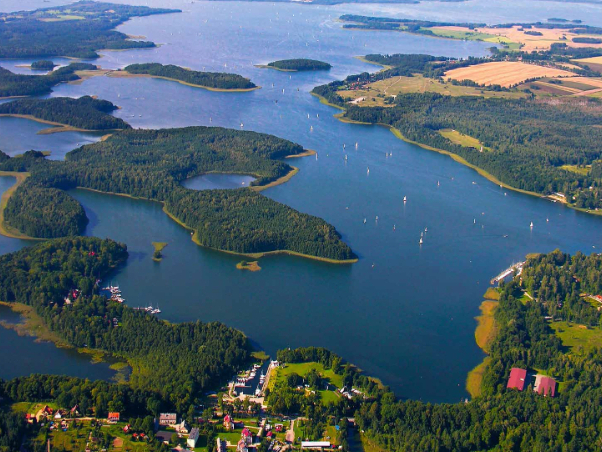
Nestled in the northeastern part of Poland, the Great Masurian Lakes beckon with their serene beauty and historical richness. This captivating lake district, known in Polish as Wielkie Jeziora Mazurskie, is not just a paradise for nature lovers but also a tapestry of history, culture, and tradition.
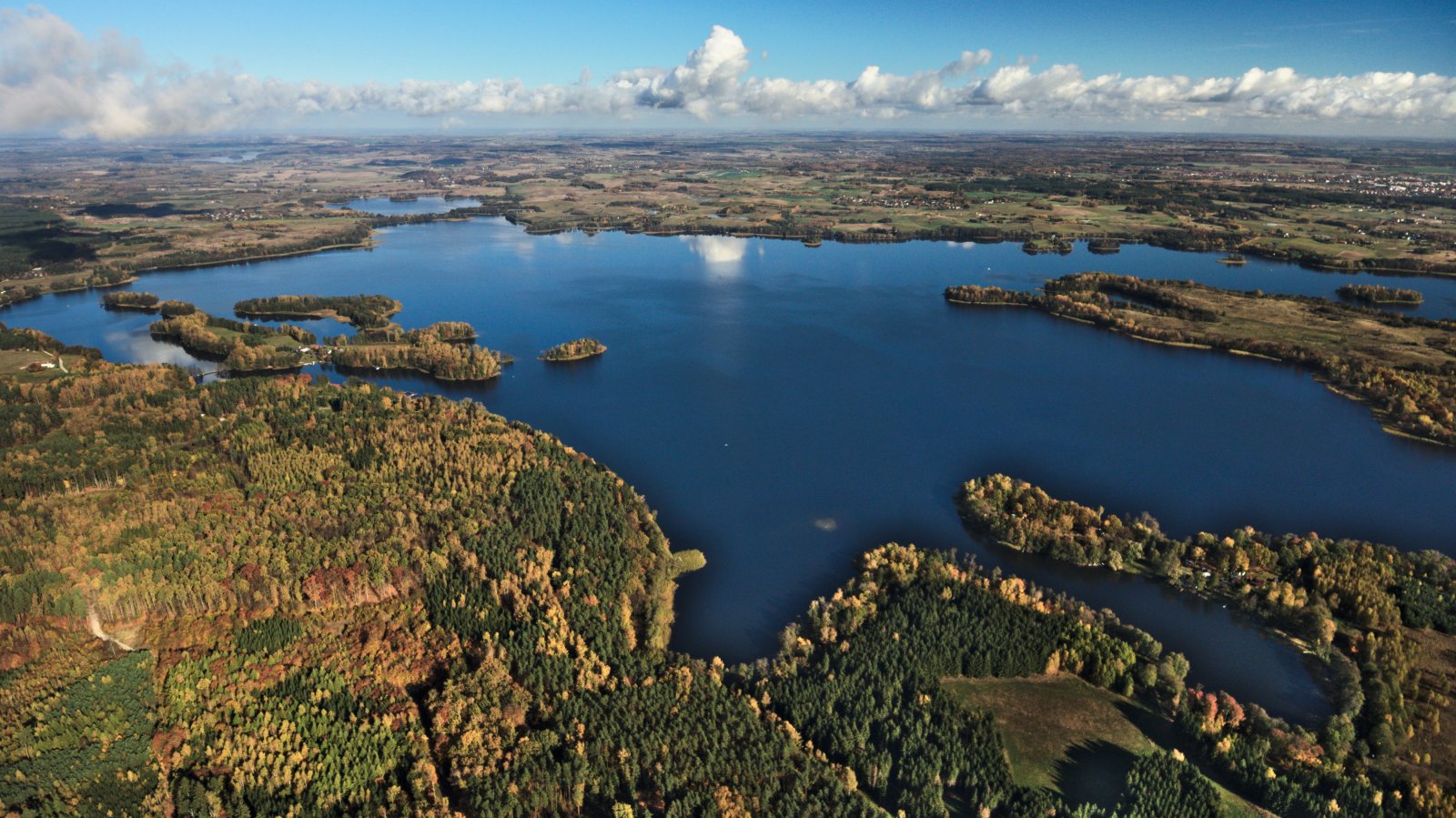
The origins of the Masurian region trace back to ancient times when the area was inhabited by the Prussians, a Baltic tribe. The region's name derives from the Masurians, Polish settlers who colonized the area in the 14th century. During the Teutonic Order's conquest in the 13th century, the lakes served as natural fortifications, and many battles were fought over this strategic land. The region’s historical significance continued through the centuries, notably during World War II, when it became a battleground due to its proximity to the Eastern Front.
Architecturally, the Great Masurian Lakes area is a blend of medieval and early modern influences. As you explore, you'll find remnants of Teutonic castles, such as the Ryn Castle, replete with stories of knights and medieval grandeur. The Gothic architecture of churches in towns like Giżycko and Mikołajki offers a glimpse into the past, with their soaring spires and intricate brickwork. While the region may not boast grand art galleries, the landscape itself is a canvas of natural artistry, inspiring countless local and visiting artists over the years.
Cultural traditions in the Masurian region are a vibrant reflection of its diverse history. The Niegocin Lake area, for instance, is famous for its summer festivals that celebrate both the local maritime heritage and the folklore of the Masurian people. Traditional music, often featuring accordion and violin, fills the air, and the folk dances, characterized by spirited movements and colorful costumes, pay homage to the region's Slavic roots.
Gastronomy in Masuria is a delightful exploration of hearty, rustic flavors. The lakes themselves provide a bounty of fresh fish, with pike and perch being local specialties. A must-try dish is Ryba w galarecie (fish in aspic), showcasing the region's culinary ingenuity. The influence of Eastern European cuisine is evident in dishes like pierogi (dumplings) and bigos (hunter's stew). Meanwhile, traditional Polish drinks, such as miód pitny (mead), a honey-based alcoholic beverage, offer a taste of the region’s ancient customs.
For those seeking lesser-known curiosities, the Boyen Fortress in Giżycko is a hidden gem. This 19th-century Prussian fortification is a testament to military architecture, with its labyrinth of bunkers and walls. Another fascinating spot is the Wolf's Lair near Kętrzyn, the infamous World War II headquarters of Adolf Hitler, offering a sobering walk through history. The region also boasts a unique natural phenomenon: the Singing Sands on the shores of certain lakes, where the sand emits a musical sound when walked upon, a rare geological occurrence that piques the curiosity of scientists and tourists alike.
When planning a visit to the Great Masurian Lakes, timing is key. The best period to explore this enchanting region is between late spring and early autumn (May to September) when the weather is pleasantly mild, and the lakes are at their most inviting. Consider renting a kayak or a sailboat to fully appreciate the tranquil beauty of the interconnected waterways. For accommodation, charming guesthouses and historic hotels, often housed in former manor estates, offer a comfortable stay with a touch of local charm.
Whether you're drawn by the call of the wild, the whispers of history, or the allure of cultural discovery, the Great Masurian Lakes promise an experience as vast and varied as the waters themselves. As you traverse the landscape, each turn of the paddle or step along the shore reveals a new chapter in the story of this remarkable region.
