
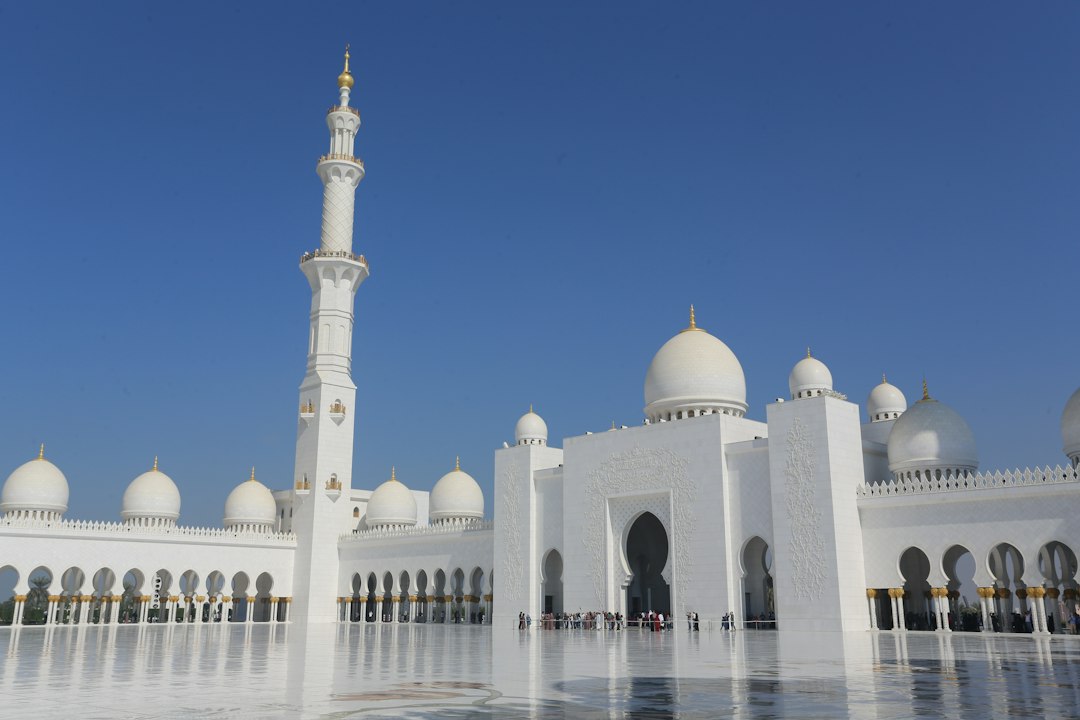

The horseshoe arches multiply in the shadow of the prayer hall like a visual echo that never stops resonating. We are in Tlemcen, in the northwest of Algeria, and the Great Mosque that opens before our eyes is neither a reconstruction nor a museum: it is a living building, constructed in 1136 under the Almoravid dynasty, which has endured nearly nine hundred years without losing its essential geometry.
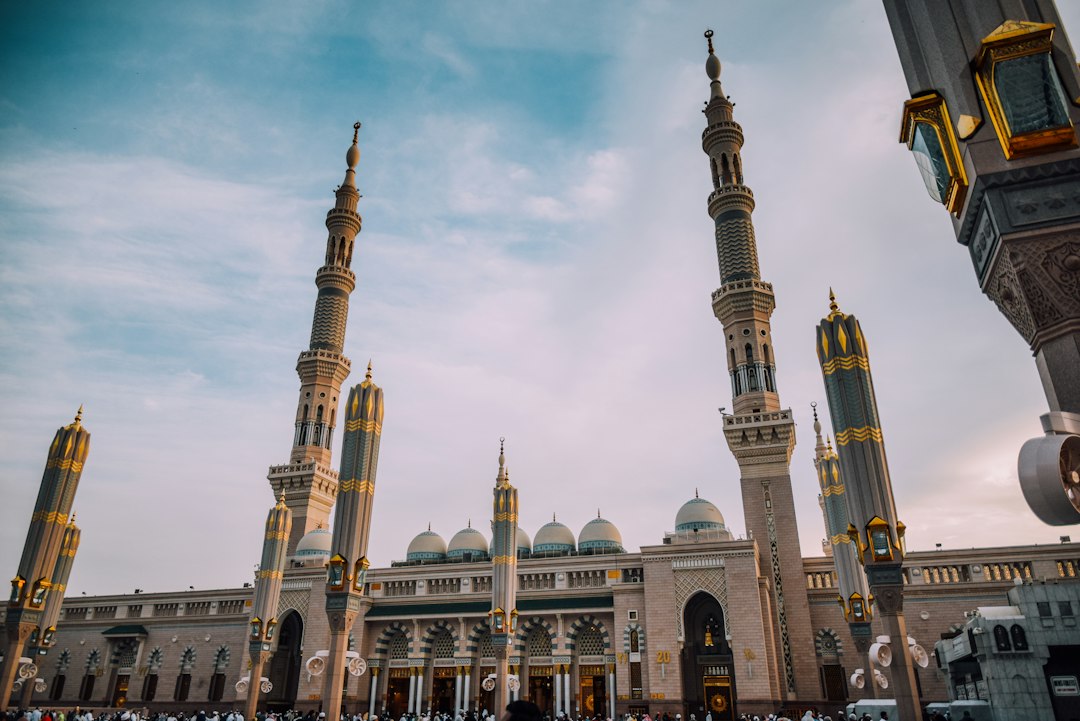
Tlemcen is one of those cities that the cartography of international tourism has stubbornly forgotten. Yet, in the Middle Ages, it was one of the most refined cultural capitals of the Maghreb, a meeting point between Berber, Arab, and Andalusian influences. The Great Mosque — Djamaa el-Kebir in Arabic — is the most eloquent architectural document of that era.
An Almoravid building in the heart of the medina
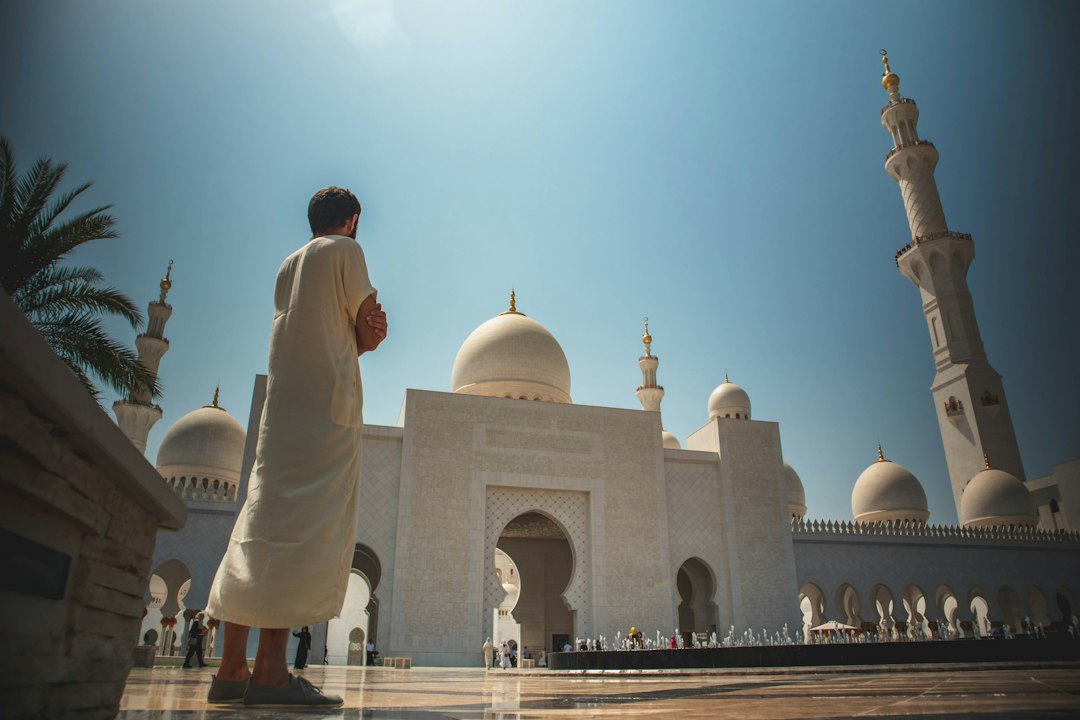
The mosque was built during the reign of the Almoravids, the Berber dynasty that controlled an empire extending from Morocco to southern Spain in the 12th century. This dual geographical and cultural belonging is directly reflected in the stones: the hypostyle plan with its parallel naves recalls the great Andalusian mosques, while the decorative details in carved stucco show a refinement that harkens back to Nasrid art even before that era was named.
The minaret is the element that has left the most lasting imprint in the history of regional architecture. Its square shape, the decorative bands that overlap vertically, and the rhythm of the arched openings have constituted a model replicated in numerous subsequent constructions throughout the Maghreb. Observing it up close means reading a formal vocabulary that has been transmitted for centuries.
What you see upon entering: arches, stuccoes, and light
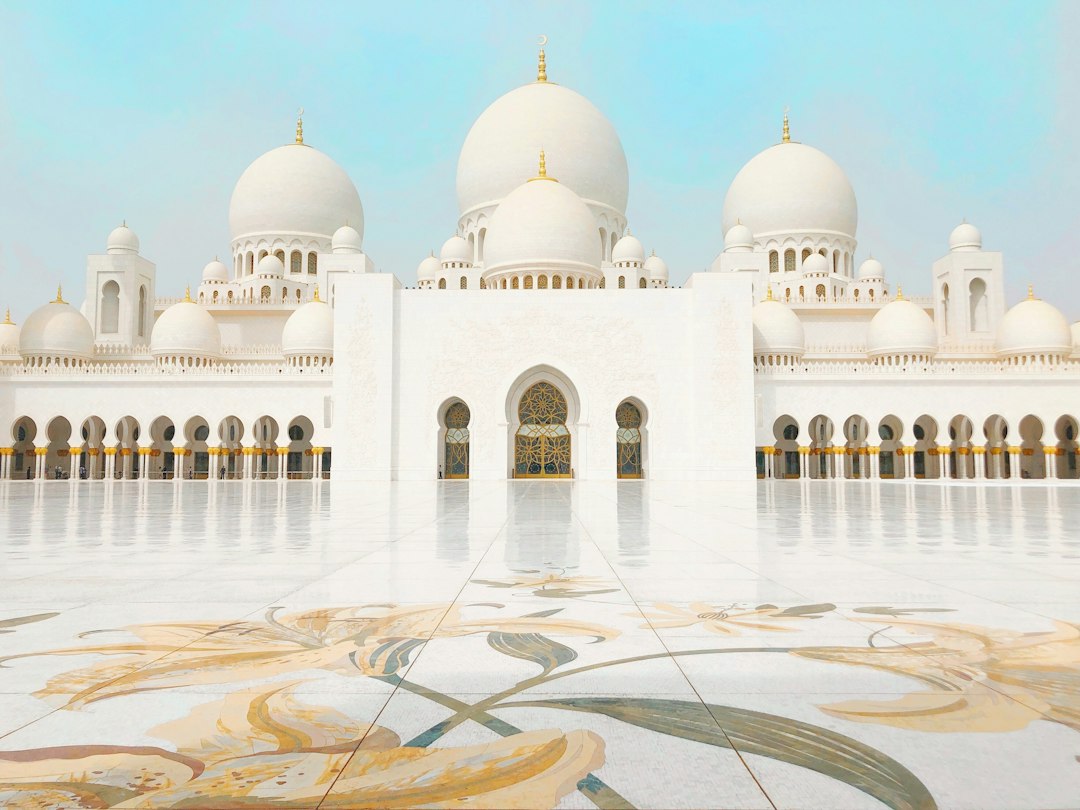
The prayer hall impresses with the density of its columns, which create a forest of stone crossed by light in ever-changing ways depending on the hour. The horseshoe arches — the distinctive shape of Maghreb and Andalusian Islamic architecture — repeat in sequence along the naves, creating a perspective that seems endless. This is not a decorative effect: it is the very structure of the building that produces this sensation of multiplied depth.
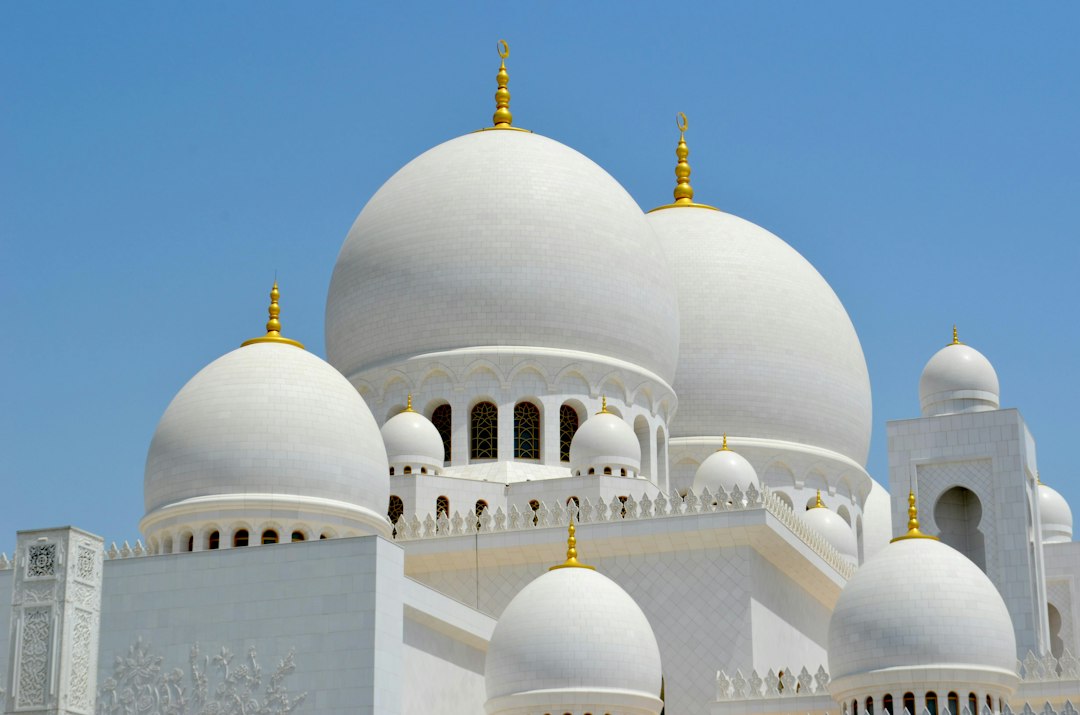
The panels of worked stucco that adorn some of the interior walls deserve close observation. The geometric and vegetal motifs are carved with a precision that hints at the technical level of the 12th-century artisans. In many places, the original stucco is still visible, not replaced by modern restorations, which gives the whole a character of rare authenticity. The mihrab — the niche that indicates the direction of Mecca — is decorated with particular care and represents the focal point of the entire spatial composition.
Tlemcen off the beaten path: what to expect
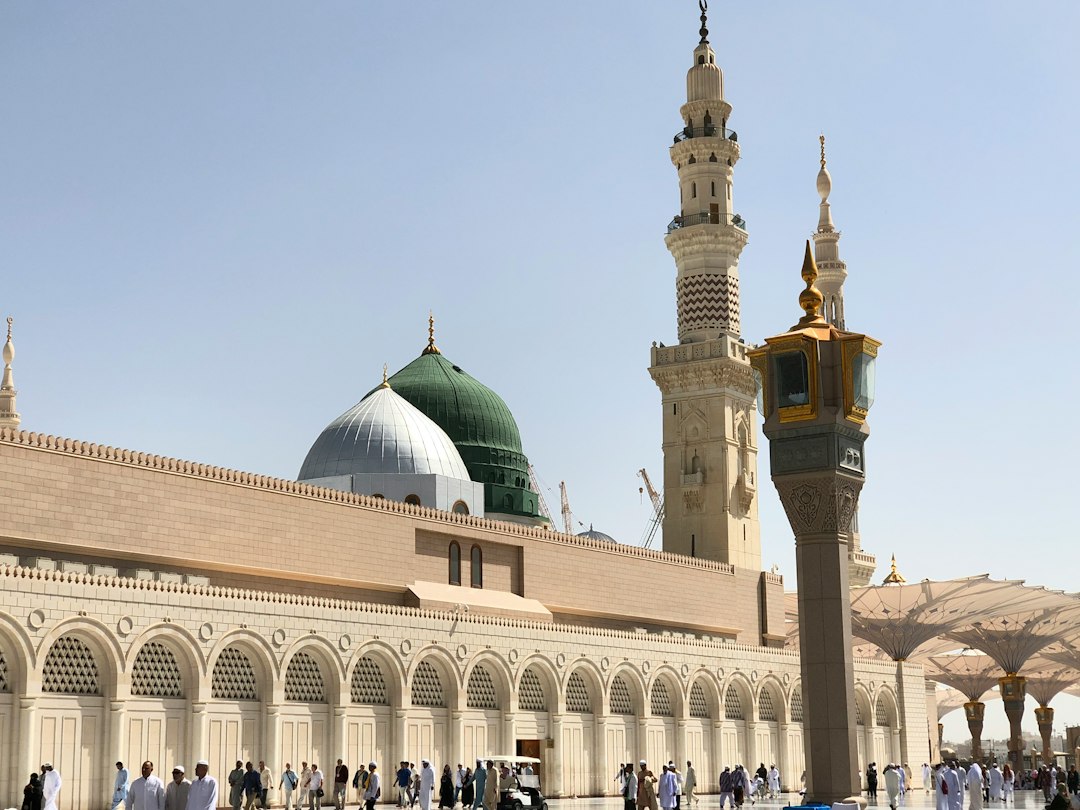
Getting to Tlemcen requires independent planning. The city is accessible by air from the international airport Zenata – Messali El Hadj, with connections from Algiers and some European destinations. Alternatively, you can reach it by train or bus from Oran, about three hours away. Once in the city, the medina is walkable and the Great Mosque is located in its historic center.
As it is an active place of worship, access for non-Muslims may be subject to restrictions that vary over time and depend on local management. It is advisable to inquire on-site, possibly through a local guide or the city information point, and to dress respectfully — shoulders covered and long pants for everyone, headscarves for women. The morning hours, outside of prayer times, are generally the most suitable for a quiet visit.
Why the trip is worth it
Tlemcen does not offer the tourist infrastructure of Marrakech or Tunis, and this is precisely its value. Those who arrive here find a city that has not been organized for visitors, which means more genuine interactions, spaces not saturated by flows of visitors, and the possibility of standing in front of an 11th-12th century building without the mediation of barriers or mandatory audio guides.
The Great Mosque of 1136 is not an isolated monument: around it, Tlemcen preserves other significant medieval buildings, including the mosque of Sidi Bel Hassan and the remains of the royal palace of Mansoura, which together compose an urban landscape of rare historical coherence. Dedicating at least two days to the city allows one to connect these places and understand why, for centuries, Tlemcen has been considered one of the pearls of medieval Maghreb.


