
← Back

The Great Rann of Kutch in the Thar Desert

Distretto del Kutch, Gujarat, India ★★★★☆ 3,637 views
Selina Kyle
Distretto del Kutch
🏆 AI Trip Planner 2026

Get the free app

Discover the best of Distretto del Kutch with Secret World — the AI trip planner with 1M+ destinations. Get personalized itineraries, hidden gems and local tips. Free on iOS & Android.

🧠 AI Itineraries 🎒 Trip Toolkit 🎮 KnowWhere Game 🎧 Audio Guides 📹 Videos
Download on the App Store Get it on Google Play
Scan to download Scan to download

Pristine Nature · Distretto del Kutch

The Great Rann of Kutch in the Thar Desert - Distretto del Kutch | Secret World Trip Planner

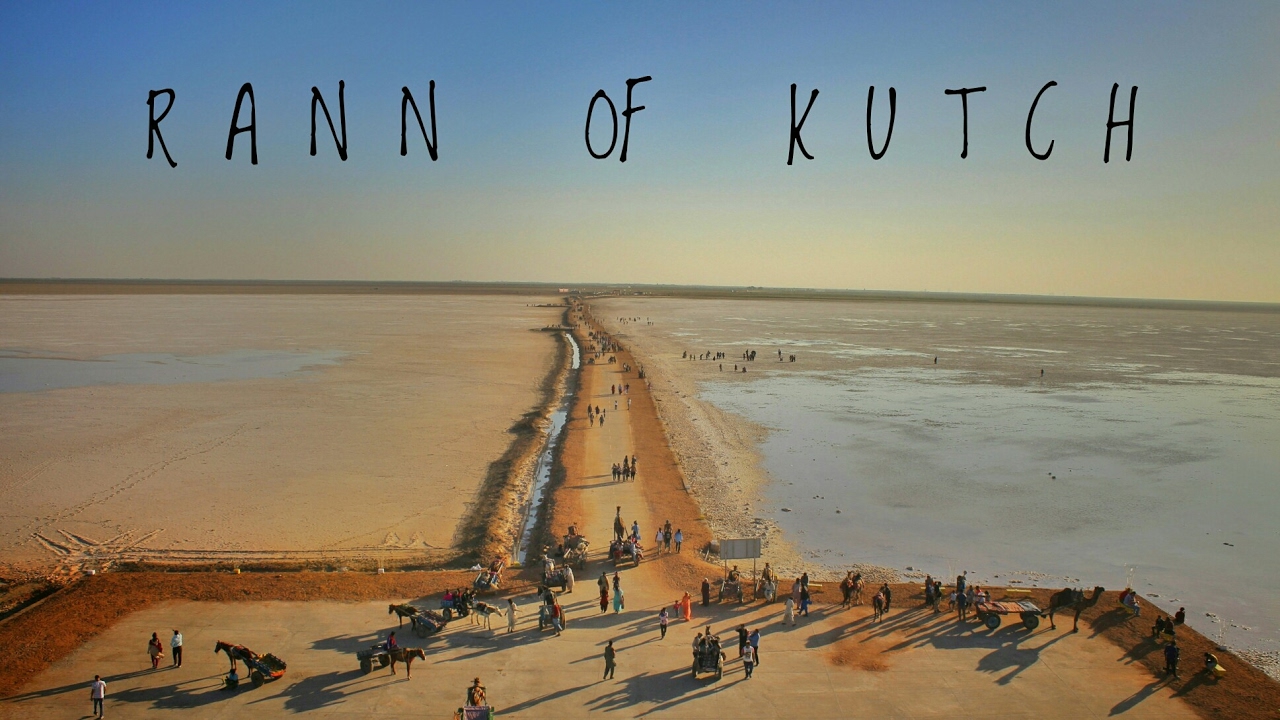
The Great Rann of Kutch is a mesmerizing expanse of salt marsh that beckons explorers into the heart of the Thar Desert. Sprawling over 7,505 square kilometers, it stands as one of the largest salt deserts in the world, a spectacle of stark beauty and cultural richness. Beyond the shimmering white crust that glimmers under the sun lies a tapestry of history, art, and tradition that reflects the soul of the Kutchi people.

### History and Origins

The history of the Great Rann of Kutch is deeply intertwined with ancient narratives and geographical transformations. Once part of the Sindh region, the Rann has witnessed the ebb and flow of empires. Historical texts suggest that the area was submerged under the sea until approximately 4,000 years ago, when tectonic activities caused it to emerge as a land formation.

The name "Rann" itself is derived from the Hindi word for desert, and its origins trace back to the Sanskrit term "iri?a," mentioned in ancient epics like the Rigveda and Mahabharata. These texts depict the region as a vibrant ecosystem, hinting at its long-standing significance to early civilizations.

In the 19th century, the Rann was a strategic location during the British colonial rule, serving as a borderland between India and what was then known as the princely state of Kutch. Today, remnants of this vibrant history are preserved in the stories of the local communities and the ruins scattered across the landscape.

### Art and Architecture

The artistic heritage of the Great Rann of Kutch is as expansive as its geographical features. The architecture here is a blend of traditional Kutchi styles and influences from neighboring regions. The intricate woodwork and vibrant murals found in the local villages showcase the craftsmanship of the Kutchi artisans.

One notable architectural gem is the Bhujodi, a village known for its handwoven textiles. The local artisans create stunning bandhani (tie-dye) fabrics and kutch embroidery, which tell stories of the region’s history and traditions through vivid colors and intricate patterns. Such artistry not only serves functional purposes but also acts as a cultural symbol.

### Local Culture and Traditions

The culture of the Great Rann of Kutch is a vibrant tapestry woven from the threads of diverse customs, languages, and festivals. The Kutchi people celebrate a plethora of festivals, with Rann Utsav being the most prominent. Held annually from November to February, this festival attracts tourists from around the globe to experience local music, dance, handicrafts, and cuisine against the backdrop of the vast salt desert.

Local customs, such as the Gudi Padwa festival that marks the New Year for the Marathi community, reflect the region's deep-rooted traditions. The locals engage in traditional dances like Garba and Dandiya, showcasing their vibrant spirit and connection to the land.

### Gastronomy

Food in the Great Rann of Kutch is a delightful exploration of flavors that reflect the region’s agricultural bounty and cultural influences. Signature dishes include Dhokla, a savory steamed cake made from fermented rice and chickpea batter, and Kutchhi Biryani, a fragrant rice dish often cooked with succulent meat and spices.

Another local favorite is the Kutchhi Thali, a platter that features an array of vegetarian delicacies such as Khichdi, Kadhi, and the famous Kutchhi Dabeli, a spicy potato filling in a bun garnished with pomegranate and peanuts. Don’t miss tasting chaas (buttermilk) to wash down these flavorful meals, a staple in the local diet that reflects the arid climate's influence on culinary practices.

### Lesser-known Curiosities

Beyond its well-known attractions, the Great Rann of Kutch holds several hidden gems. One such curiosity is the unique phenomenon of the Rann’s seasonal transformation. During the monsoon, the desert becomes a vast wetland, attracting migratory birds from around the world, including flamingos, which turn the salt flats into a stunning spectacle of pink and white hues.

Moreover, the Kutch Desert Wildlife Sanctuary, located nearby, is home to several endangered species, including the Indian Wild Ass, a rare sight that adds to the region's allure for wildlife enthusiasts.

### Practical Visitor Information

The best time to visit the Great Rann of Kutch is during the winter months from November to February, when the temperatures are pleasant, making it ideal for exploration. Visitors should pack layers, as temperatures can fluctuate significantly between day and night.

When planning your visit, be sure to book accommodations in advance, especially during the Rann Utsav. A guided tour can enhance your experience, providing insights into local culture and hidden spots that might be missed otherwise.

Don’t forget to carry a good camera, as the panoramic views of the salt desert, especially at sunrise and sunset, are breathtaking. Also, be sure to engage with local artisans and perhaps take home a piece of Kutchi craftsmanship as a keepsake.

The Great Rann of Kutch is not merely a destination; it is an experience that immerses you in the vivid narratives of nature and culture. To enhance your journey, consider using the Secret World app to craft a personalized itinerary tailored to your interests.

Buy Unique Travel Experiences

Powered by Viator

See more on Viator.com
