
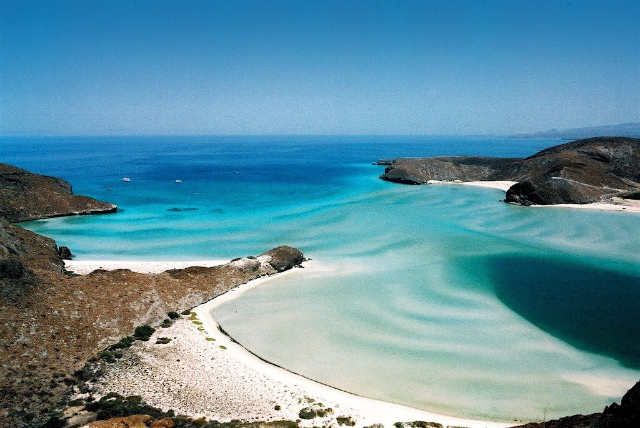

The Gulf of Mexico, a vast body of water cradled by the United States, Mexico, and Cuba, is more than just a geographical marvel; it is a region steeped in history, cultural exchanges, and economic significance. Its story is one of shared natural beauty and human endeavors, a place that has connected civilizations, powered economies, and inspired countless travelers.
A Historic Crossroads
For centuries, the Gulf of Mexico has been a vital crossroads for trade and exploration. From the indigenous peoples who first navigated its waters to the arrival of European explorers, the Gulf has been central to the development of the Americas. Spanish explorers in the 16th century, such as Hernán Cortés and Alonso Álvarez de Pineda, charted its waters, leading to the establishment of colonial outposts and trade routes that linked Europe, the Americas, and Africa.
The Gulf was also a crucial arena during the Age of Piracy, with infamous figures like Jean Lafitte finding refuge in its hidden bays and marshes. These waterways were not only a haven for smugglers but also a key conduit for the burgeoning cotton and sugar trades that shaped the economies of the Southern United States and Mexico.
The Gulf’s Role in Modern History
Fast forward to the modern era, and the Gulf of Mexico has continued to play a pivotal role. Its waters became a battleground during World War II, as German U-boats hunted Allied shipping vessels. The Gulf's oil reserves have also made it an energy powerhouse, with offshore drilling platforms dotting the horizon and contributing significantly to the economies of the United States and Mexico.
The Submerged Lands Act of 1953 granted U.S. states jurisdiction over natural resources within their respective portions of the Gulf, reinforcing its economic importance. However, the Gulf's rich resources have also raised environmental concerns, exemplified by disasters like the Deepwater Horizon oil spill in 2010, which highlighted the delicate balance between industrial progress and environmental preservation.
A Cultural and Natural Treasure
Beyond its economic and historical significance, the Gulf of Mexico is a cultural treasure. Coastal cities like New Orleans, Tampa, and Veracruz are hubs of vibrant traditions, blending indigenous, Spanish, French, and African influences. From the lively rhythms of jazz and mariachi to the culinary delights of fresh seafood and Creole cuisine, the Gulf's shores are alive with heritage.
Nature enthusiasts will find no shortage of wonders in the Gulf region. The diverse ecosystems range from the lush mangroves of Florida to the expansive coral reefs of the Yucatán Peninsula. The Gulf’s waters are home to an incredible array of marine life, including dolphins, sea turtles, and countless species of fish, making it a paradise for divers, anglers, and ecotourists.
The Gulf as a Symbol of Unity and Debate
The recent proposal to rename the Gulf of Mexico as the Gulf of America by political figures has sparked discussions about national identity, history, and international cooperation. While such a name change might symbolize a reclaiming of cultural pride, it also underscores the Gulf's shared heritage among the nations it borders. The Gulf has never belonged to one country alone—it is a shared resource and a testament to the interconnectedness of the Americas.
Travel to the Gulf: A Visitor’s Dream
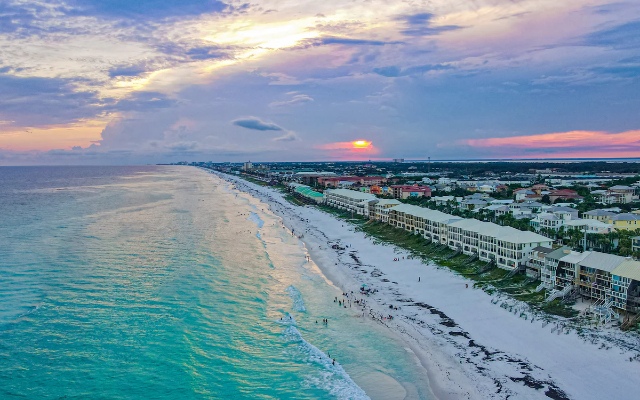
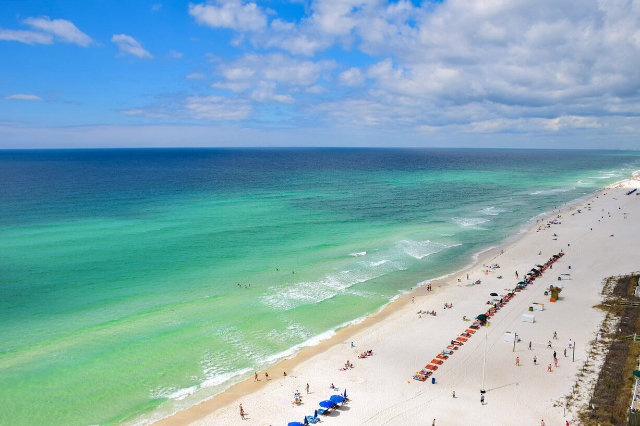
For travelers, the Gulf of Mexico offers endless opportunities for adventure and discovery. Walk the historic streets of Havana, dive into the crystal-clear waters off Cozumel, or bask in the sun on the white sandy beaches of Florida’s Gulf Coast. History buffs can explore ancient Mayan ruins on Mexico’s shores or visit the historic forts that guard key ports like Pensacola and Veracruz.
For those seeking a more immersive experience, consider taking a boat tour through the Louisiana bayous, where you can glimpse alligators and hear the echoes of Cajun culture. Or visit the Gulf Islands National Seashore, a pristine stretch of coastline that offers a glimpse into what the Gulf might have looked like centuries ago.
A Legacy to Protect
The Gulf of Mexico is more than a geographical landmark; it is a living, breathing entity that has shaped the history and identity of the people who call its shores home. As debates continue about its future, one thing is certain: the Gulf will remain a symbol of resilience, collaboration, and exploration.
Whether you’re drawn to its rich history, natural beauty, or vibrant cultures, the Gulf of Mexico is a destination that promises unforgettable experiences. It is a reminder that the treasures of our world—be they natural or cultural—are worth preserving and celebrating for generations to come.


