

A hand of reinforced concrete emerges from nowhere, pointing towards the sky with open fingers, as if someone were asking for help from the underground of the driest desert in the world. It is the Hand of the Desert, or Mano de Desierto, one of the most photographed outdoor sculptures on the entire South American continent, and its visual impact is immediate: there are no trees, there are no buildings, there are no landmarks. Just the ochre sand of the Atacama and that solitary hand rising 11 meters above the desert surface.
The work was created by the Chilean sculptor Mario Irarrázabal, already known for similar works installed in Uruguay and other countries, and inaugurated in 1992. The sculpture is located along Route 5, the Pan-American Highway, about 75 kilometers south of Antofagasta, in northern Chile. It is not hidden, it is not difficult to reach: it is there, visible from the road, like a surreal apparition in the midst of the lunar landscape of the Atacama.
The work and its meaning
Irarrázabal has built his career around sculptures that represent the human condition in all its fragility. The hand is neither triumphant nor celebratory: the fingers are slightly bent, the position suggests abandonment, solitude, perhaps a plea for help. It is an interpretation that many visitors make spontaneously, without the need for captions or explanatory panels. The artist himself has stated that his works aim to evoke feelings of isolation and human vulnerability.
The sculpture is made of reinforced concrete and features a rough surface, marked by the years and the extreme conditions of the desert. Up close, one can observe the irregularities of the surface, the marks of time, and often, the graffiti left by less respectful visitors. The fingers of the hand are not perfectly symmetrical, which gives the work an organic and almost unsettling appearance, far from the geometric perfection one might expect from a concrete structure.
The context: the Atacama Desert
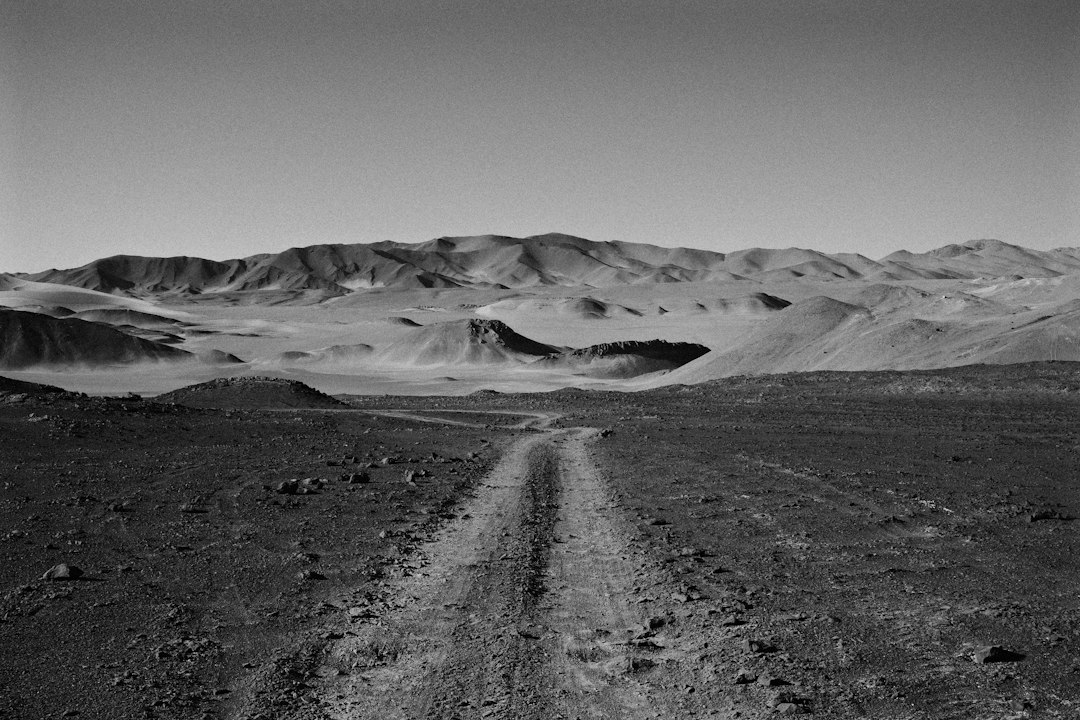
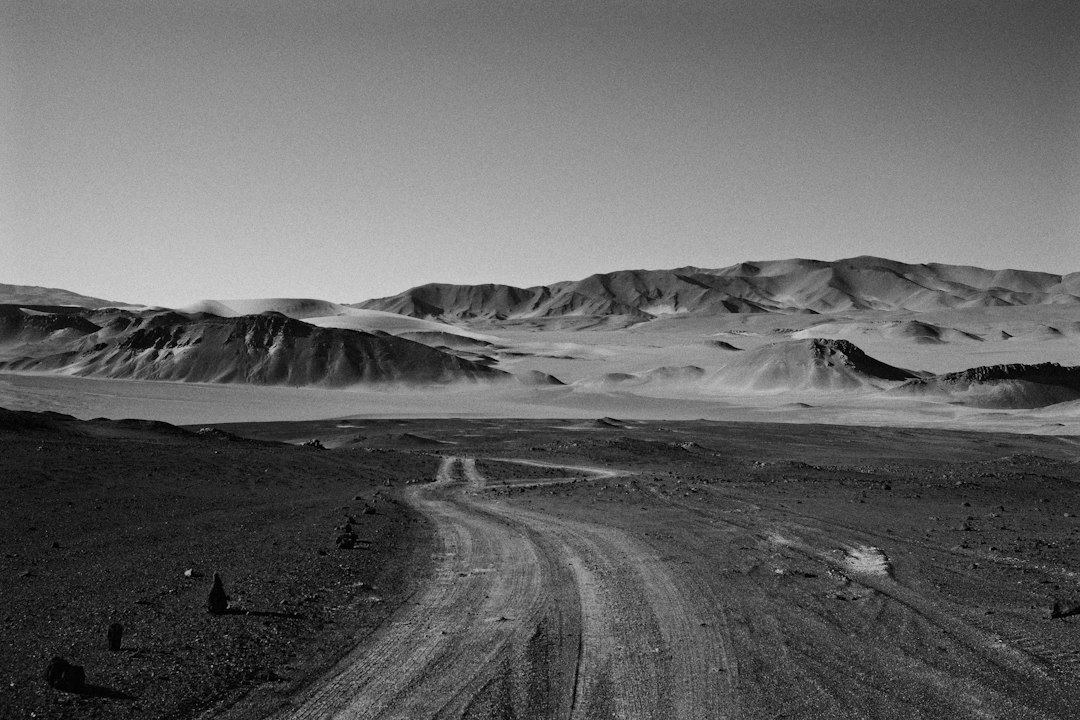
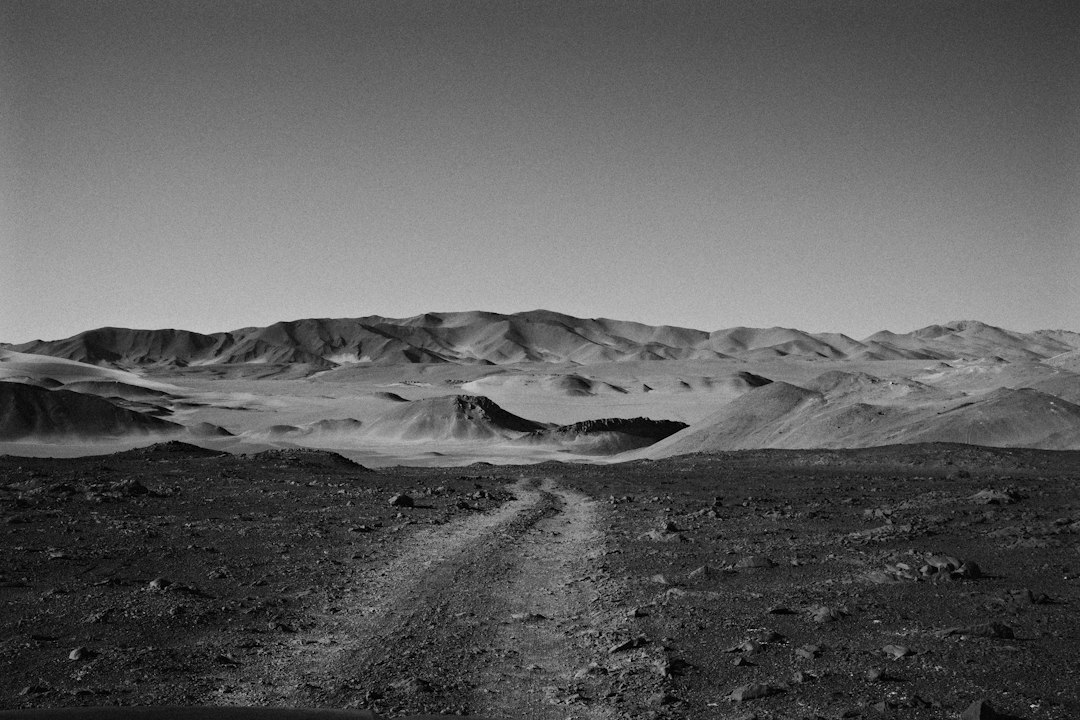
Understanding the Hand of the Desert means understanding the landscape that hosts it. The Atacama is considered the driest non-polar desert on Earth, with some areas that do not receive measurable precipitation for decades. The light here is special: intense, without attenuation, capable of making colors almost artificial. The sky is a deep blue even at noon, and the absence of humidity makes the air crystal clear.
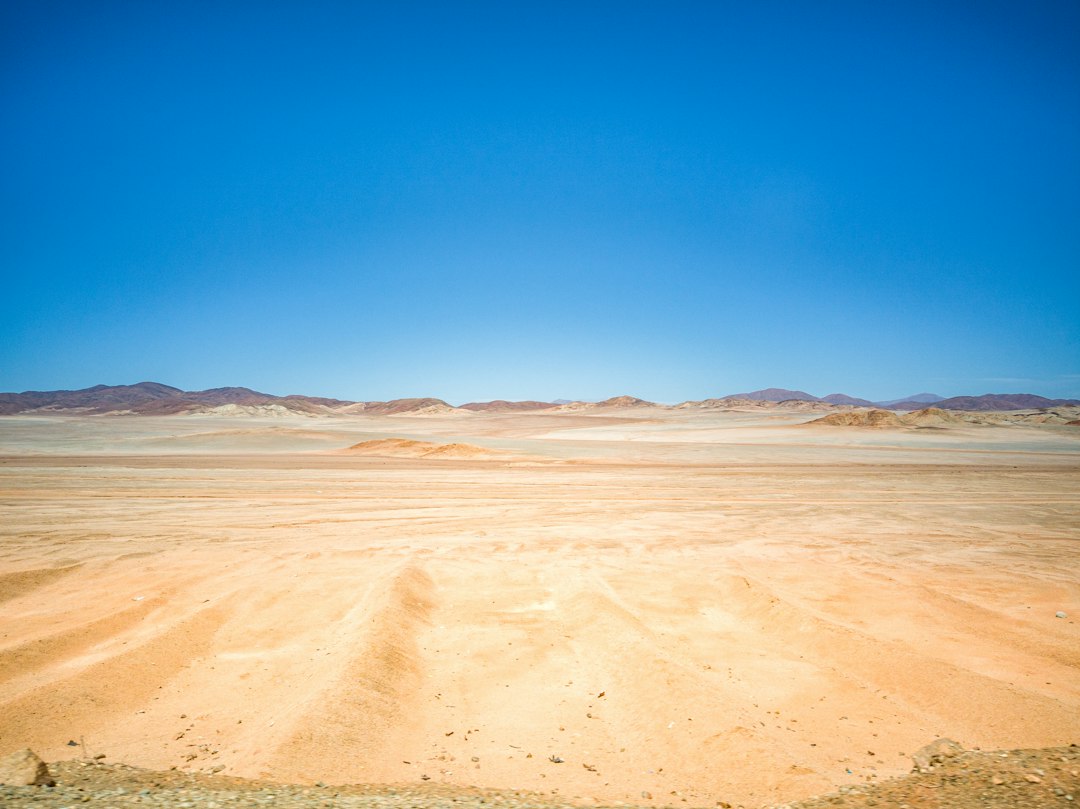
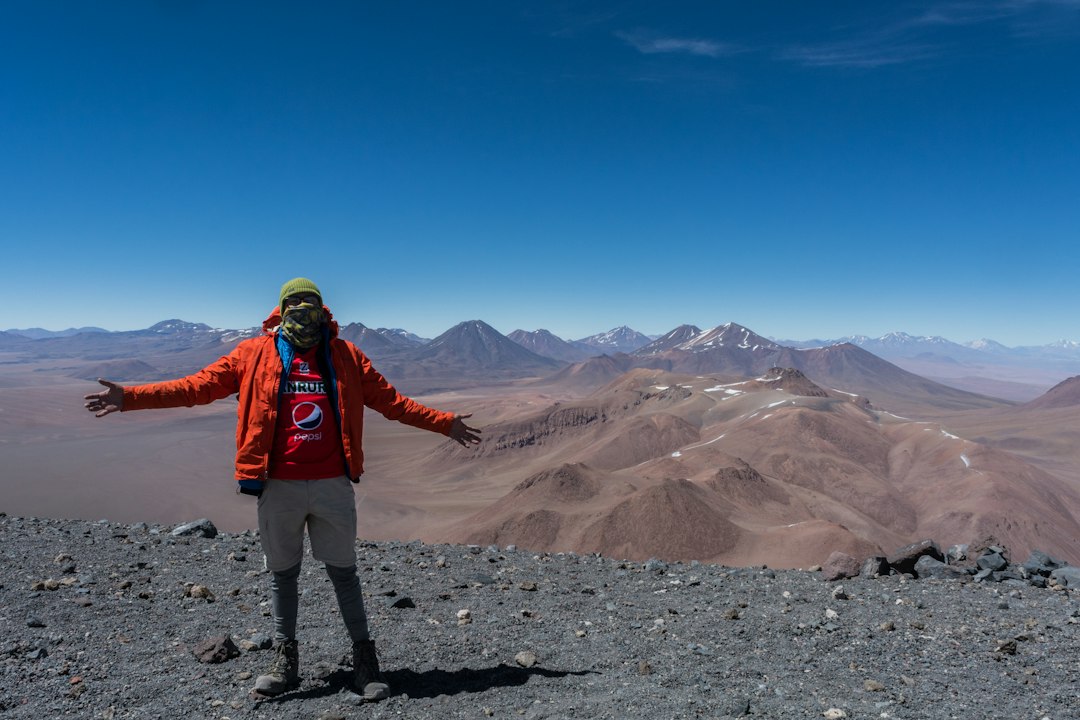
In this context, the sculpture is not simply an artistic object: it becomes part of a landscape that already seems unreal in itself. Tourists arriving from Europe or Asia often describe the feeling of being on another planet. The hand, in this scenario, amplifies that perception: it is a human element in an environment that seems to reject human presence. The contrast is the heart of the experience.
How to visit the Hand of the Desert
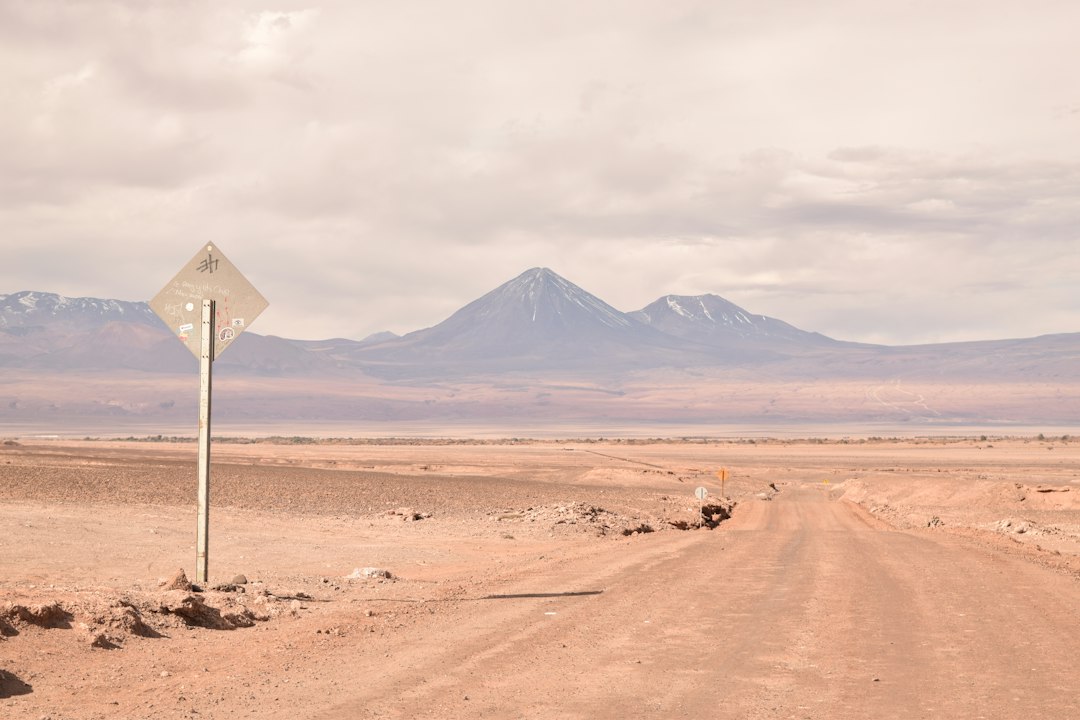
The sculpture is located at kilometer 1309 of Route 5 North, easily reachable by car from Antofagasta in about 45 minutes. There is no entrance fee: the visit is free and accessible all year round, 24 hours a day. There is a small dirt parking lot and some informational panels. The average visit time is around 20-30 minutes, enough to walk around the sculpture, photograph it from different angles, and simply stand in silence in front of that image.
The most useful advice for those planning the visit is to choose the early hours of the morning, preferably before 9:00 AM. At that time, the light is slanting, the shadows created by the hand are long and dramatic, and the temperature is still bearable. At midday, the sun is directly overhead and the heat reflected from the sand can be intense. Bringing water is essential: there are no bars or refreshment points nearby. Those traveling without their own car may consider organized tours from Antofagasta that often include a stop at the sculpture as part of a broader itinerary in the desert.
A visual icon of northern Chile
The Hand of the Desert has become over time a symbol of northern Chile, reproduced on postcards, t-shirts, and travel guides. Despite this popularity, the place retains something genuinely unsettling. It is not an attraction built for entertainment: it is a work of art that raises uncomfortable questions about isolation and the smallness of the human being in the face of nature.
Those who arrive expecting a spectacle will find something more subtle: a silent figure in the middle of nowhere, which does not offer answers but invites one to stop and look. In an age where tourist spots tend to be overloaded with stimuli, this solitary hand in the desert has the rare privilege of simply being itself.


