

Nestled in the heart of Antwerp, the Hendrik Conscience Library stands as a testament to the city's rich literary and cultural heritage. This architectural gem not only serves as a repository of knowledge but also as a vibrant cultural hub that invites visitors to delve into the heart of Flanders and its historical narrative.
The origins of the Hendrik Conscience Library date back to 1850 when it was founded by the Antwerp City Council as a public library. Named after the celebrated Flemish author Hendrik Conscience, who is often regarded as the father of the Dutch-language novel, the library was established to promote literacy and education among the citizens of Antwerp. Throughout the years, it has evolved into a significant cultural institution, housing a wealth of resources dedicated to Dutch literature and the cultural history of Flanders. Notably, the library has played a crucial role in the preservation of Flemish identity, especially during periods of political and cultural upheaval.
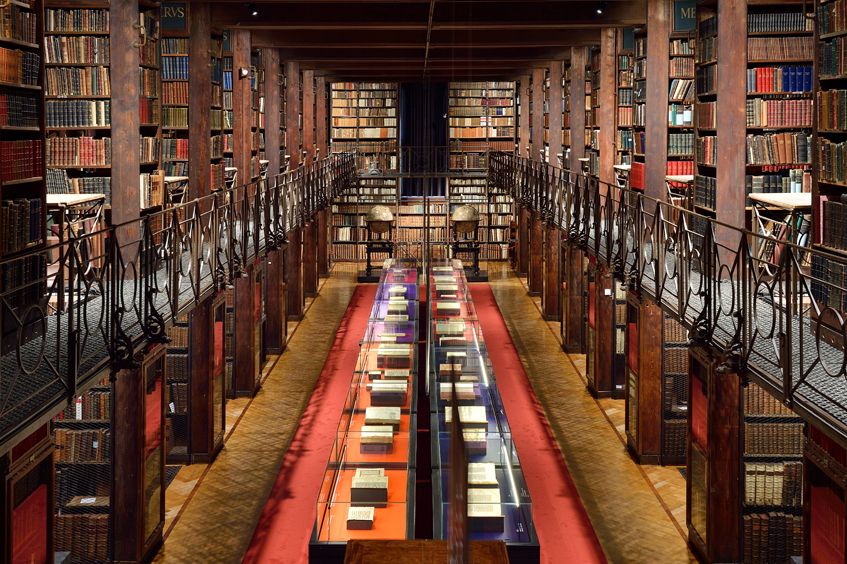
The architectural style of the Hendrik Conscience Library is a magnificent blend of Neo-Renaissance and Gothic Revival influences, reflecting the grandeur of the era in which it was constructed. The building was designed by the architect Hendrik Beyaert and was inaugurated in 1890. Its façade is adorned with intricate carvings and elegant columns, welcoming visitors with a sense of history and sophistication. Inside, the library boasts the Nottebohm Room, a stunning space that showcases richly decorated wooden ceilings and historical artworks. This room, usually open only during special exhibitions and lectures, is a highlight for anyone interested in the intersection of literature and art.
Culturally, the Hendrik Conscience Library serves as a focal point for local traditions and gatherings. Antwerp is known for its vibrant festivals, and the library often plays host to literary events, workshops, and lectures that celebrate Flemish culture. The library's commitment to promoting local authors and historical research ensures that it remains a vital part of the community, fostering a love for literature and cultural exchange. Events such as the Antwerp Book Fair further illustrate the city’s literary spirit, drawing authors, publishers, and readers from across the region.
When it comes to gastronomy, Antwerp is a city that delights the senses. A visit to the Hendrik Conscience Library can be complemented with a taste of local specialties. The city is particularly famous for its Antwerp Hand (Antwerpse Hand), a marzipan treat shaped like a hand, symbolizing the legend of Saint Eligius. Pair this sweet indulgence with a glass of De Koninck, a local amber ale that has been brewed since the 19th century. The library's proximity to various cafés and bistros makes it easy for visitors to sample these local delights while immersing themselves in the city’s atmosphere.
For those eager to uncover lesser-known curiosities about the Hendrik Conscience Library, consider this: the library is home to a remarkable collection of over 700,000 volumes, including rare manuscripts and unique texts that are not easily found elsewhere. Among these treasures is a first edition of Conscience’s own works, which showcases the evolution of Dutch literature. Furthermore, the library’s reading rooms are adorned with murals depicting scenes from Flemish folklore, providing a glimpse into the region's rich storytelling tradition.
If you're planning to visit the Hendrik Conscience Library, the best time to go is during the spring and early fall when the weather is mild, and the library hosts various literary events. Be sure to check the library’s schedule for exhibitions in the Nottebohm Room, as these can offer a unique insight into Flemish culture and history. Additionally, take some time to explore the surrounding area, including the Cathedral of Our Lady and the Grote Markt, both of which are within walking distance and further enrich your experience of Antwerp.
In conclusion, the Hendrik Conscience Library is not just a place to find books; it’s a portal into the rich cultural tapestry of Antwerp and Flanders. With its historical significance, stunning architecture, and vibrant local culture, it stands out as a must-visit destination for anyone eager to connect with the literary heritage of this remarkable city. For a tailored experience in Antwerp, consider using the Secret World app to plan your visit.


