
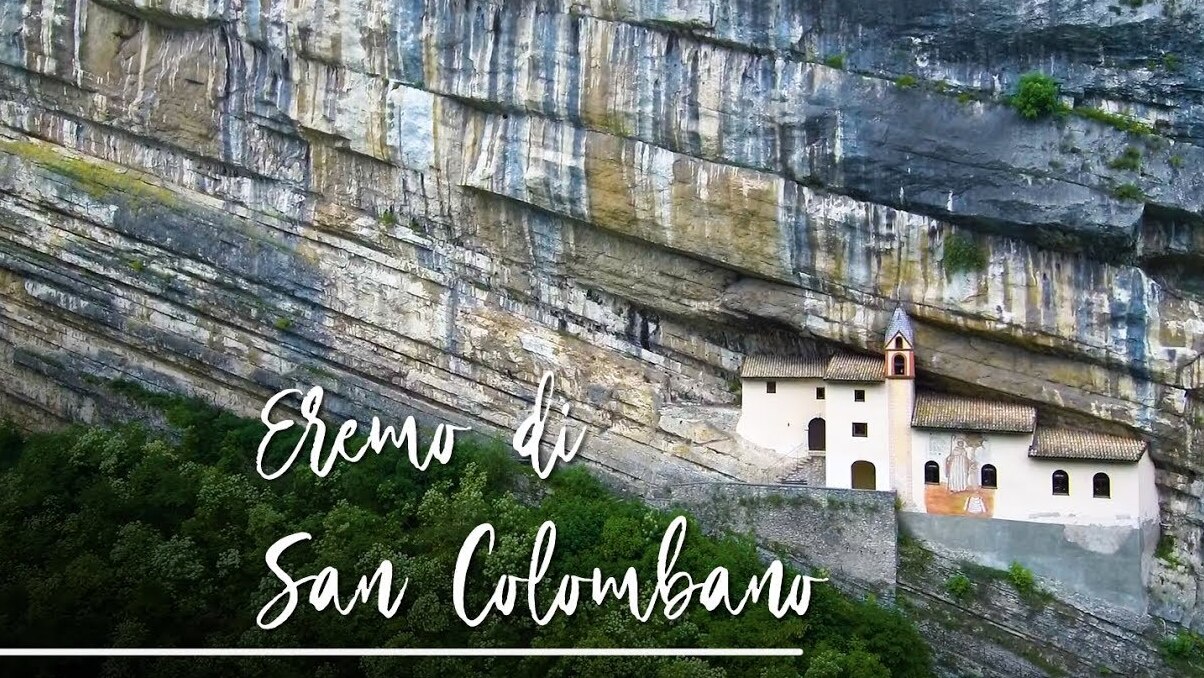

The hermitage of San Colombano is a mesmerizing testament to the intricate relationship between nature, spirituality, and history. Nestled within the rocky outcrops of Trambileno, this sacred site feels as if it has organically emerged from the earth itself, becoming one with the surrounding landscape. As visitors ascend the 102 steps that lead to this ancient sanctuary, anticipation builds, culminating in breathtaking views of the river Leno below.
The origins of the hermitage stretch back to 1319, named in honor of Saint Columbanus, an Irish monk revered for his missionary work across Europe from the 6th to the 7th century. Legend has it that Columbanus once vanquished a dragon that resided within the cave, a narrative that has woven itself into the fabric of local folklore. The site was initially used by monks from the Monastery of Bobbio, who sought solitude and communion with nature. By 753, natural cavities in the rock were repurposed for monastic life, laying the foundation for what would become a significant spiritual retreat for centuries to come.
Architecturally, the hermitage is a fascinating blend of natural and human-made structures, integrating seamlessly with the rock face. The small church, built between the 10th and 11th centuries, showcases a natural rock roof that envelops worshippers in a sense of tranquility. Visitors can admire the remarkable frescoes that adorn the walls, including a vivid depiction of the battle between Saint Columbanus and the dragon, alongside an ethereal portrayal of Paradise. Notably, the high altar features a stunning 15th-century painting of the Madonna and Saints, which has captivated the hearts of pilgrims and art enthusiasts alike.
The cultural significance of the hermitage extends beyond its artistic merits, deeply rooted in the local customs and traditions of the region. Each year, the community organizes a torchlight procession during the Christmas season, illuminating the path to the hermitage with flickering flames, creating a magical atmosphere. This event not only celebrates faith but also reinforces the bond between the hermitage and the people of Trambileno, who have cared for the site since the practice of hermitage was abolished in 1782.
Gastronomy in Trambileno is an extension of its rich cultural heritage. The area is known for its traditional dishes, often featuring locally sourced ingredients. Visitors can savor canederli, hearty bread dumplings, often served in rich broth, or strudel, a delightful pastry filled with apples and spices. Pair these treats with a glass of Teroldego, a robust red wine produced in the nearby Trentino region, and you'll experience a true taste of local flavors.
While many visitors are drawn to the stunning views and serene atmosphere of the hermitage, a few lesser-known curiosities often go unnoticed. Among the ancient engravings etched into the rock are invocations and ex-votos left by pilgrims over the centuries, each telling a story of devotion and hope. The hermitage has also been a backdrop for various artistic endeavors, inspiring poets, painters, and musicians who have sought to capture its ethereal beauty.
For those planning a visit, the best time to explore the hermitage is during the spring and fall months when the weather is mild, and the surrounding landscape bursts with color. Be sure to wear comfortable shoes for the climb and take your time to soak in the views along the way. As you approach the hermitage, look for the ancient engravings and the frescoes that tell the stories of the past.
Whether you are seeking spiritual solace or a glimpse into the rich tapestry of local culture, the hermitage of San Colombano promises an unforgettable experience. Be sure to take a moment to reflect in the tranquility of this sacred site and appreciate the artistry that has flourished here for centuries.
To enhance your visit, consider using the Secret World app to plan a personalized AI itinerary to explore Trambileno.


