


Nestled amidst the verdant slopes of Mount Kilimanjaro, the Materuni Waterfall is a breathtaking tapestry of nature's grandeur and cultural richness. As you trek through the lush jungle that cradles this 150-meter cascade, you are not just embarking on a journey through spectacular landscapes but also delving into the history and traditions of the Chagga people who have called this region home for centuries.
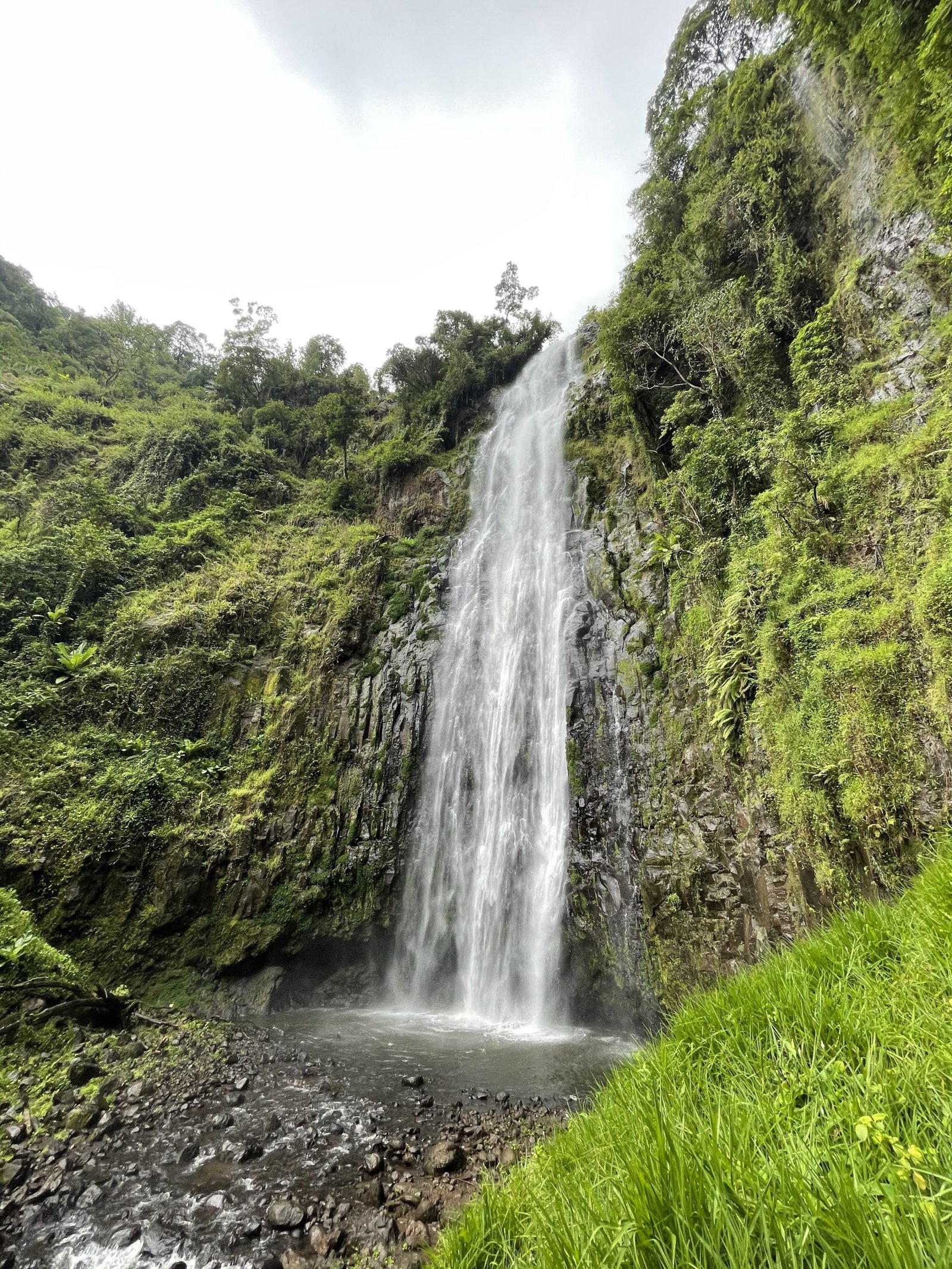
The history surrounding the Materuni Waterfall is as deep and layered as the forest itself. The Chagga, an indigenous Bantu-speaking ethnic group, have inhabited the slopes of Kilimanjaro for over 300 years. They settled here, utilizing the fertile volcanic soil for agriculture. The waterfall, a vital part of their ecosystem, provided essential water for their crops and played a crucial role in their spiritual practices. In Chagga folklore, the waterfall is often revered as a sacred site, a place where ancestors speak through the whispers of cascading water.
As you approach the waterfall, you will notice the simple yet harmonious architecture of the nearby Materuni village. The traditional Chagga houses are crafted with local materials, featuring thatched roofs and compact designs that blend seamlessly into the landscape. Although the architecture might seem modest, it reflects a profound understanding and respect for the natural world. The village itself acts as a living museum, where every structure tells a story of resilience and adaptation.

Cultural traditions are palpably alive in Materuni. The Chagga people are known for their rich oral traditions and vibrant festivals. One of the most celebrated events is Mwaka Kogwa, a festival marking the Chagga New Year, where you can witness ritualistic dances and hear the rhythmic beats of traditional drums echoing through the hills. This celebration is not only about renewal and community but also about honoring the spirits believed to reside in the waterfalls and forests.
Gastronomy in Materuni is a delightful exploration of authentic Chagga flavors. Visitors can savor Ndizi Nyama, a savory dish made with bananas and beef, and the ever-popular Ugali, a staple maize porridge often served with local greens. Coffee, a significant cash crop in the region, is another highlight. The Chagga people have perfected the art of coffee cultivation and processing. Participating in a coffee tour is a must, where you can learn about traditional roasting methods and enjoy a freshly brewed cup amidst the plantations.
Beyond the obvious beauty of the waterfall, Materuni holds several lesser-known curiosities. One intriguing aspect is the local practice of "Mbege", a traditional beer made from bananas and millet. This centuries-old craft is not only a testament to the ingenuity of the Chagga people but also an integral part of social gatherings, where stories and laughter flow as freely as the brew itself.
For those planning a visit, the best time to experience Materuni Waterfall is during the dry seasons, from December to February and again from June to October, when the trails are more accessible. The hike to the waterfall is moderately challenging, taking about an hour through dense forests and coffee plantations, so sturdy footwear and plenty of water are essential. As you hike, keep an eye out for the vibrant birdlife and the occasional colobus monkey swinging through the trees.
The Materuni Waterfall is not just a destination; it is a journey into the heart of a culture that has thrived against the backdrop of Africa's tallest mountain. Whether you're captivated by the sheer force of the waterfall, the rich cultural tapestry of the Chagga, or the unique flavors of the local cuisine, Materuni promises an experience that resonates long after the last drop of water has fallen.


