



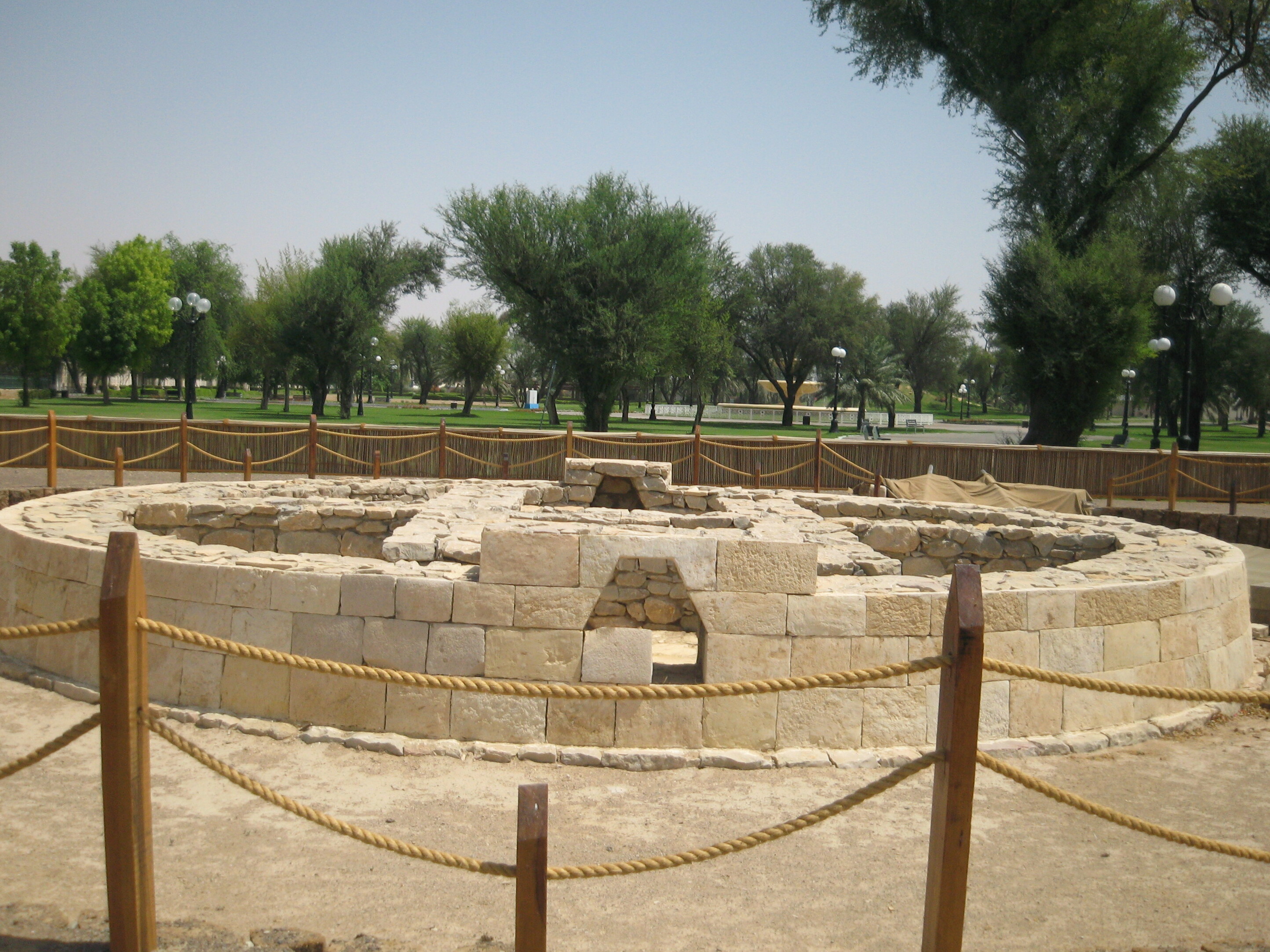
Nestled in the heart of Al Ain, the Hili Archaeological Site stands as a remarkable testament to the ancient civilizations that once flourished in the region. This UNESCO World Heritage site is not merely a collection of ruins; it is a portal into the lives of the Bronze Age (3200 BCE to 1300 BCE) and Iron Age (1300 BCE to 300 BCE) inhabitants who cultivated the land and shaped the cultural landscape of what is now the United Arab Emirates.
The origins of Hili trace back to around 3000 BCE, marking it as one of the earliest known agricultural villages in the UAE. The settlement is particularly significant for its association with the Umm an-Nar culture, named after the island off the coast of Abu Dhabi where similar artifacts were first uncovered. The Hili site, particularly Hili Site 8, showcases the sophistication of these early inhabitants. Archaeologists have uncovered extensive burial grounds and agricultural infrastructure that suggest a complex society engaged in farming, trade, and spirituality.
During the period between 2500 BCE and 2000 BCE, the settlement at Hili experienced significant expansion. The site features an impressive array of tombs and structures, with the largest collection from the Bronze Age found in the UAE. The architectural style of these structures, characterized by their circular and rectangular tombs, offers insights into the burial practices and societal hierarchies of the time. The elaborate beehive-shaped tombs, often constructed from locally sourced stones, stand as a testament to the craftsmanship and engineering acumen of these ancient builders.
Visitors to Hili will find themselves captivated not only by the impressive architecture but also by the artistic significance of the artifacts unearthed here. Pottery, tools, and jewelry discovered at the site reflect the daily lives and customs of its ancient inhabitants. The artistic motifs often depicted on pottery and decorative items provide a glimpse into the spiritual and social aspects of their culture.
Local culture and traditions are deeply intertwined with the history of Hili. The region is rich in customs that have been passed down through generations. The annual Al Ain Cultural Festival, for instance, celebrates the heritage of the area, featuring traditional music, dance, and poetry that echo the past. The festival is a vibrant expression of the community’s pride in its history and is a wonderful opportunity for visitors to immerse themselves in the local culture.
Gastronomy in Al Ain also reflects its long-standing history. Traditional dishes such as harees (a wheat and meat dish) and machboos (spiced rice with meat or fish) can be enjoyed in local eateries. Many of these culinary practices have their roots in ancient methods of food preparation, emphasizing the region’s agricultural heritage. For those with a sweet tooth, dates are a must-try, often served with Arabic coffee as a gesture of hospitality. This age-old tradition continues to symbolize the warmth and generosity of the Emirati people.
While exploring Hili, there are lesser-known curiosities that might surprise even the most seasoned traveler. For instance, the Fossil Valley, located nearby, is a treasure trove of ancient marine fossils that date back millions of years to a time when the region was submerged underwater. This juxtaposition of ancient human civilization with remnants of prehistoric life creates a fascinating narrative of the ever-changing landscape of Al Ain.
For those planning a visit to this archaeological wonder, the best time to explore Hili is during the cooler months, from October to April. Daytime temperatures are more bearable, allowing for a leisurely stroll through the site. It’s advisable to wear comfortable shoes and bring water, as the terrain can be uneven. Be sure to check out the informational signs that guide visitors through the history and significance of various structures, as they offer valuable context to the site’s rich past.
In conclusion, the Hili Archaeological Site is not just a glimpse into the past; it is a narrative of resilience, culture, and evolution that continues to shape the identity of Al Ain. Whether you are an avid historian or a curious traveler, this site is sure to leave a lasting impression. For a tailor-made exploration of Al Ain’s treasures, consider using the Secret World app to craft your personalized itinerary.
