


Nestled in the heart of Japan’s mountainous Hida region, the Historic Villages of Shirakawa-gō and Gokayama offer a glimpse into a bygone era, where nature and traditional craftsmanship coexist in harmony. Recognized as a UNESCO World Heritage Site in 1995, these villages are celebrated for their unique gasshō-zukuri architecture, characterized by steeply sloped thatched roofs that resemble hands in prayer.
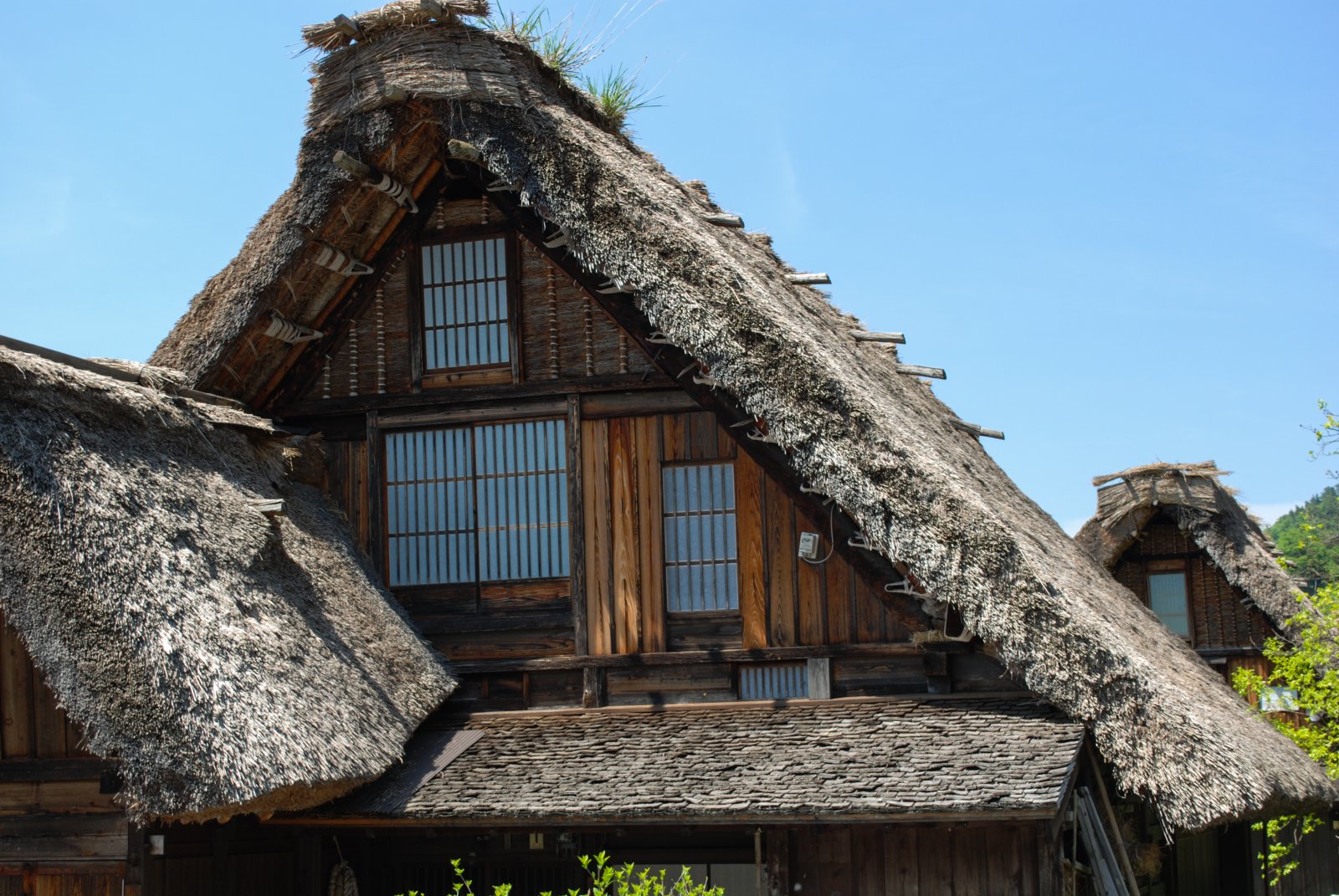
The origins of these villages date back to the Edo period (1603-1868), when the isolated mountainous terrain provided a refuge for both people and culture. The villagers of Shirakawa-gō began constructing their homes using the gasshō-zukuri style around the 18th century. The design is not merely aesthetic; it is a practical response to the heavy snowfall that blankets the region in winter. The steep roofs allow snow to slide off easily, preventing structural damage. This architectural ingenuity is a testament to the resilience and adaptability of the village's inhabitants.
In addition to their distinctive roofs, the homes often feature intricate wooden beams and spacious interiors designed for communal living. The largest and most famous of these structures is Wada House, built in 1791, which serves as a museum showcasing the lifestyle of the villagers. Within these historic walls, visitors can marvel at traditional tools, textiles, and artifacts that reflect centuries of rural life.

Artistic expression thrives in Shirakawa-gō, where local craftsmanship is celebrated. The villagers are skilled in traditional crafts such as weaving and pottery, with many households producing unique textiles that incorporate natural dyes. The annual Shirakawa-gō Firefly Festival in June showcases not only the beauty of the region’s natural wonders but also the local commitment to preserving traditional practices. Lanterns illuminate the village, creating a magical atmosphere that draws visitors from near and far.
The local culture is steeped in deep-rooted traditions. Festivals, such as the Shirakawa-gō Gasshō-zukuri Winter Festival, held in February, highlight the village's rich heritage. During this event, the gasshō-zukuri homes are adorned with illuminations, creating a stunning winter landscape. Villagers participate in various activities that showcase their customs, including traditional music and dance performances. This celebration of culture not only entertains but also educates visitors about the significance of communal life and seasonal transitions in rural Japan.
When it comes to gastronomy, Shirakawa-gō offers a culinary experience that reflects its geographical bounty. The region is renowned for its delicious Hida beef, which is celebrated for its marbling and rich flavor. Many local restaurants serve this delicacy in various forms, from shabu-shabu to grilled steaks. Additionally, soba noodles made from locally sourced buckwheat are a staple, often enjoyed in warm broth or cold dishes. The area is also known for its pickled vegetables, a result of traditional preservation techniques passed down through generations.
One lesser-known curiosity about Shirakawa-gō is its unique method of producing washi, traditional Japanese paper. The villagers have practiced this craft for centuries, using the bark of the mulberry tree, which is processed through an intricate technique involving soaking, beating, and drying. Visitors can often find workshops where they can try their hand at making washi paper, adding an interactive dimension to their cultural exploration.
For those planning a visit, the best time to experience the beauty of Shirakawa-gō is during the winter months when the landscape transforms into a picturesque snowy wonderland. However, each season offers its own appeal; spring brings cherry blossoms, while autumn showcases vibrant foliage. To make the most of your trip, consider arriving early in the day to avoid crowds and fully appreciate the serene atmosphere.
Visitors should also be prepared for the cold if they come in winter. Layering is essential, and sturdy footwear is recommended for navigating the snowy paths. Don't miss the chance to explore the Shirakawa-go Open-Air Museum, where you can wander through historical structures and gain a deeper understanding of the region's heritage.
As you immerse yourself in the charm of Shirakawa-gō, you’ll discover a world that beautifully marries nature, history, and culture. Each corner of the village tells a story waiting to be unveiled, making it a truly enchanting destination.
To enhance your journey further, consider using the Secret World app to create a personalized AI itinerary that ensures you don’t miss any hidden gems during your visit to Shirakawa.


