
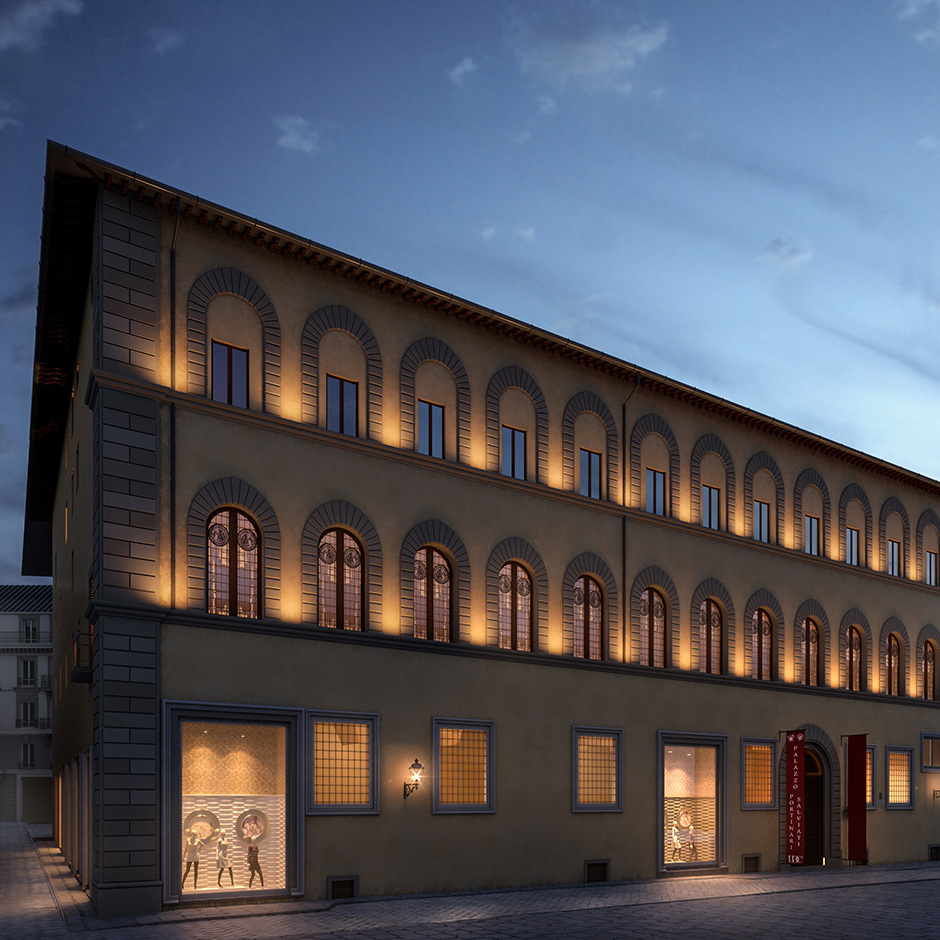

In the heart of Firenze, the House of Beatrice stands as a poignant reminder of love and longing, intertwined with the rich tapestry of history that defines this enchanting city. Known officially as Palazzo Portinari Salviati, this structure located at Via del Corso 6 was once the family home of Beatrice Portinari, the muse of the famed poet Dante Alighieri. Her father, Folco Portinari, a prominent banker, laid the foundation for this historic site, which also served as the birthplace of the Hospital of Santa Maria Nuova in 1288. Although Beatrice spent her early years here, the house was not her home after her marriage, yet it remains a vital piece of her story and Dante's enduring love for her.
As you walk past the façade of the Palazzo, you can almost feel the weight of history pressing against you. The architectural style is unmistakably Gothic, characterized by its pointed arches and intricate stonework. The building’s elegant lines and decorative details provide a glimpse into the life of Florentine nobility during the late 13th century. Notable artworks may not be housed within its walls, but the Church of Santa Margherita dei Cerchi, located just around the corner, holds a treasure trove of religious art and significance. This church is believed to be the final resting place of Beatrice, as well as the site where Dante first laid eyes on her, forever immortalizing her in his verses.
Florence, rich in traditions, celebrates its historical figures with various festivals throughout the year. The most notable is the Festa di San Giovanni, held in June, which honors the city’s patron saint. During this vibrant occasion, expect a lively atmosphere filled with parades, fireworks, and culinary delights that reflect the region's deeply rooted culture. Beatrice's legacy is also interwoven into local lore, with many locals reciting her tale as part of the city's romantic history. As you stroll the cobblestone streets, you may hear whispers of Dante’s passion and the impact of his love on Italian literature.
No visit to Firenze would be complete without indulging in the local gastronomy. The area surrounding the House of Beatrice offers a variety of traditional dishes that connect visitors to the city's history. Don’t miss trying Ribollita, a hearty Tuscan soup made with stale bread, vegetables, and beans, which reflects the rustic roots of Florentine cuisine. Pair it with a glass of Chianti, a local wine that has been produced in the surrounding hills for centuries. For dessert, seek out Cantucci, almond biscuits typically dipped in Vin Santo, a sweet dessert wine that adds a delightful finish to any meal.
Beyond the well-trodden paths of tourists, curious visitors will find lesser-known stories surrounding the House of Beatrice. One intriguing fact is that the Church of Santa Margherita dei Cerchi is home to a small, romantic tradition. Couples often leave love letters and tokens at Beatrice's tomb, hoping to capture a bit of her enduring spirit. This personal touch adds an element of intimacy to the site, reminding visitors of the deep emotional connections that intertwine with Florence’s historical narrative.
For those planning to visit, the best time to explore the House of Beatrice and its surroundings is during the spring months of April to June or in September when the weather is mild and the city is less crowded. Make sure to take your time soaking in the atmosphere, as the poetic echoes of Dante’s works resonate through the streets. When visiting, look out for the beautiful frescoes and architectural details in the Church of Santa Margherita dei Cerchi that encapsulate the artistic spirit of the Renaissance.
With its captivating history, rich culture, and culinary delights, the House of Beatrice is a must-see for anyone enthralled by the allure of Florence. As you walk in the footsteps of Dante and Beatrice, consider using the Secret World app to craft your personalized itinerary and delve deeper into the magic of this remarkable city.


