


The island of Elephanta (or Gharapuri) is a mesmerizing destination that captivates both history enthusiasts and spiritual seekers. Situated just 10 kilometers from the bustling heart of Mumbai, this UNESCO World Heritage Site offers a glimpse into ancient Indian civilization through its remarkable rock-cut caves, which date back to the 5th to 8th centuries CE. The island is shrouded in mystery, with roots deeply intertwined with the Shiva cult and the surrounding sea waters of the Arabian Sea. Its name derives from a colossal stone elephant discovered by Portuguese sailors in the 16th century, a testament to the island's long storied past and significance in maritime history.

The caves of Elephanta are a magnificent example of ancient Indian art and architecture. The main cave, often referred to as the Trimurti Cave, features an awe-inspiring 20-foot high relief of Trimurti, depicting the three aspects of Lord Shiva: Creation, Preservation, and Destruction. This intricate rock-cut sculpture is not only an artistic marvel but also serves as a profound representation of the Hindu philosophy of life and death. The caves are adorned with numerous other carvings, including depictions of Parvati, Ganesha, and various mythological tales that provide insight into the artistic capabilities of their creators.
Beyond the artistic achievements, Elephanta Island is steeped in local culture and traditions. The island is home to a small community of fishermen and farmers who maintain a simple lifestyle amidst the historical grandeur. Visitors will find the island alive with the sounds of local festivals such as Ganesh Chaturthi, where the residents celebrate the birth of Lord Ganesha with vibrant processions and traditional music. Another significant event is the Mahashivratri, dedicated to Lord Shiva, when devotees flock to the island to pay homage and partake in rituals.
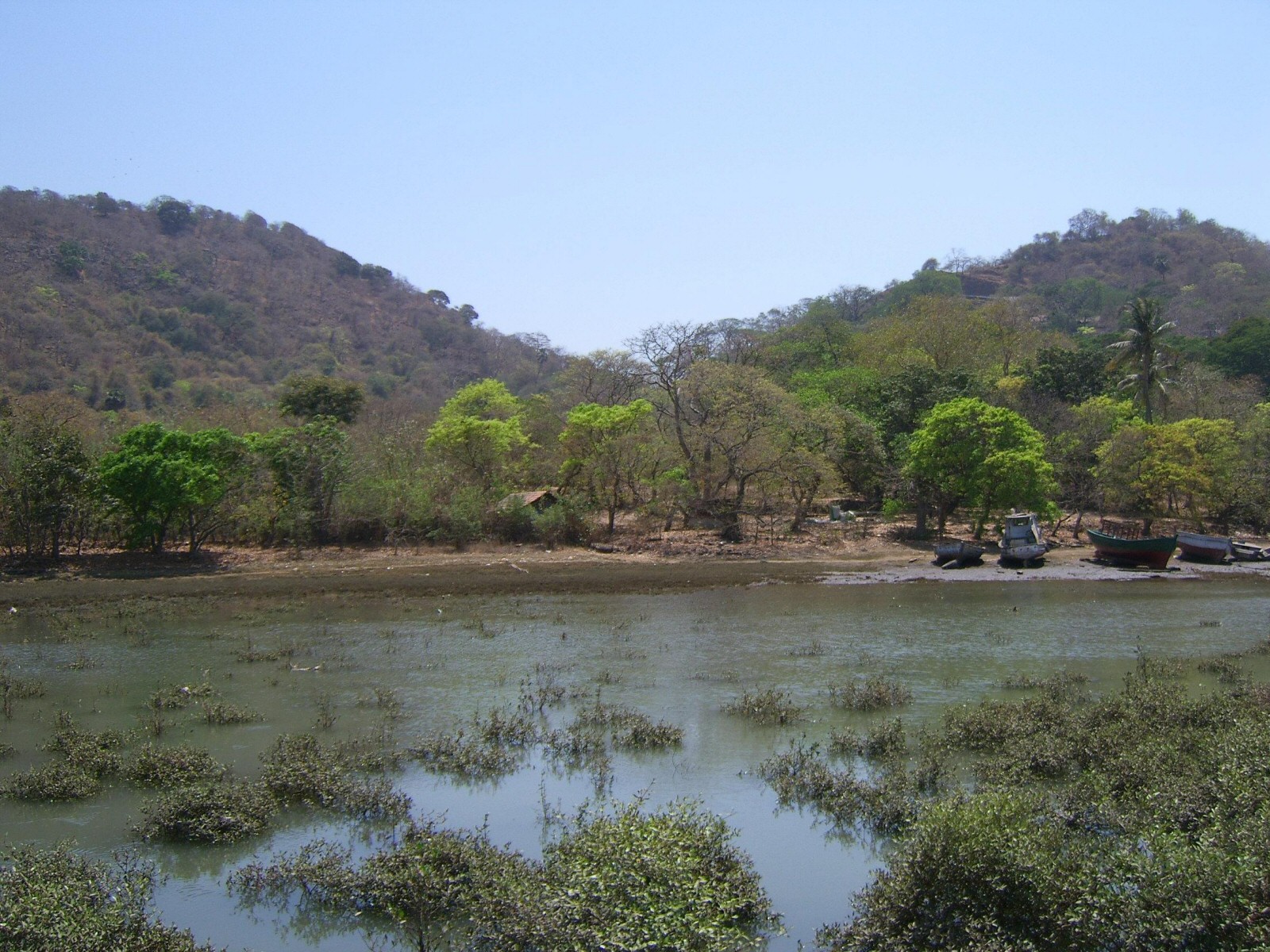
Gastronomy on Elephanta Island might not be as elaborate as in the bustling streets of Mumbai, but it offers a taste of local flavors. Freshly caught seafood is a highlight here, with dishes like Bombay duck fry (a type of lizardfish) and prawns curry dominating the menu. Visitors may also enjoy vada pav, a popular street food from Mumbai, and the refreshing coconut water that is served chilled, perfect for the tropical climate.
One of the lesser-known curiosities of Elephanta Island is the presence of a mysterious Portuguese fort that once stood guard over the island, remnants of colonial history that many tourists overlook. Additionally, the island is known for its unique wildlife, including various species of monkeys that roam the caves and paths. These playful creatures often entertain visitors, though it’s essential to keep a safe distance and avoid feeding them.
The best time to visit Elephanta Island is during the cooler months from November to February, when the weather is pleasant for exploration. Ferries to the island depart regularly from Gateway of India; the journey offers stunning views of the Mumbai skyline and the Arabian Sea. It’s advisable to wear comfortable shoes as the island requires some walking to navigate the steep steps leading to the caves. Look out for the charming local shops that sell handmade souvenirs, which often reflect the artistic heritage of the island.
When visiting Elephanta Island, don’t miss the opportunity to immerse yourself in its rich history and spirituality. The island's serene atmosphere combined with its awe-inspiring art creates a unique experience that resonates with every traveler. To uncover even more hidden gems around Navi Mumbai, consider using the Secret World app to create a personalized itinerary tailored to your interests.


