



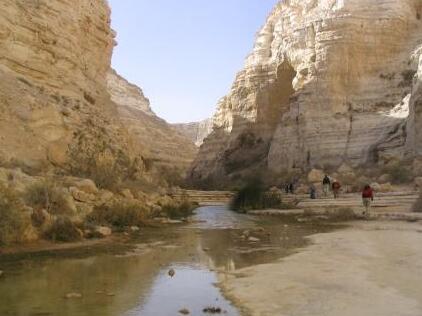
If you're looking for an unforgettable adventure that captures the heart and soul of a nation, the Israel National Trail (Hebrew: שביל ישראל, Shvil Yisrael) is your ticket to explore the diverse landscapes and rich history of Israel. Spanning approximately 1,100 kilometers (683 miles) from Kibbutz Dan in the north to Eilat in the south, this trail offers a breathtaking journey through ancient lands, vibrant cultures, and stunning natural beauty.
### History and Origins
The Israel National Trail was inaugurated in 1995 by the Israel Trails Committee, but its roots run deep into the annals of ancient history. The land traversed by the trail has been inhabited for millennia, with remnants of ancient civilizations scattered throughout. From the Canaanites to the Romans, each group has left an indelible mark on the landscape. Notably, the trail passes through areas that have witnessed pivotal events, such as the Battle of Megiddo and the Great Revolt against Roman rule.
The trail was designed to showcase the country’s diverse geography, taking hikers through mountains, forests, and deserts, all while connecting them to Israel's rich cultural tapestry. The route allows for a unique interpretation of ancient texts, where biblical stories come to life against the backdrop of the land.
### Art and Architecture
As you traverse the trail, you’ll encounter a wealth of art and architecture that reflects the country’s complex history. In the northern region, the ancient ruins of Caesarea and Safed exhibit stunning examples of Crusader and Ottoman architecture. The synagogues of Safed, particularly, are renowned for their intricate designs and mystical significance in Jewish culture.
Furthermore, the vibrant street art in urban areas like Tel Aviv reflects contemporary Israeli culture, infusing modernity into the ancient landscape. Murals and installations often tell stories of resilience and innovation, showcasing the dynamic spirit of the nation.
### Local Culture and Traditions
The Israel National Trail is not just a physical journey but also a cultural odyssey. Along the way, you'll encounter various local customs and traditions. From the Druze villages in the north to the Bedouin communities in the south, each group adds a unique flavor to the experience.
Festivals like Lag B’Omer, celebrated with bonfires and traditional music, and Sukkot, where temporary huts are constructed, highlight the communal spirit and connection to the land. Visitors can participate in local customs and enjoy traditional hospitality, often sharing meals and stories with residents.
### Gastronomy
No journey through Israel would be complete without indulging in its gastronomy. The trail offers a culinary adventure, with each region presenting its own specialties. In the north, try kebabs and tabbouleh in Druze villages, while the coastal areas boast fresh seafood and shakshuka, a beloved dish of eggs poached in a spicy tomato sauce.
In the Negev Desert, savor Bedouin cuisine, often featuring zarb, a traditional dish cooked in an underground oven. And don’t miss the chance to enjoy local wines and artisan cheeses, particularly in the vineyards of the Galilee, where ancient grape cultivation meets modern winemaking techniques.
### Lesser-known Curiosities
Beyond the well-trodden paths lies a treasure trove of curiosities. Did you know that the trail is home to the Biriya Forest, a reforestation project initiated by the Israeli government in the 1950s? This lush expanse is now a sanctuary for various wildlife and offers serene picnic spots.
Another hidden gem is the Nahal Amud, a stunning river canyon that features unique rock formations and lush vegetation, making it a perfect spot for a refreshing dip. These lesser-known sites provide a tranquil escape from the more crowded tourist attractions and allow for a deeper connection with the land.
### Practical Visitor Information
The best time to visit the Israel National Trail is during the spring (March to May) and autumn (September to November) months when the weather is mild and the landscapes are alive with blooming flowers and vibrant colors.
Hikers should prepare adequately, as some sections can be challenging. It's advisable to carry sufficient water, snacks, and a first-aid kit. Additionally, downloading the trail maps and familiarizing yourself with the terrain will enhance your experience. Look out for the iconic blue and white markers that guide you along the route.
Whether you're an experienced hiker or a curious traveler, the Israel National Trail offers a unique opportunity to connect with nature, history, and culture in a way few other places can.
Embark on this journey and discover the many layers of Israel, both ancient and modern, all while creating memories that will last a lifetime. For a personalized itinerary to explore Dan and beyond, consider using the Secret World app for tailored suggestions.
