
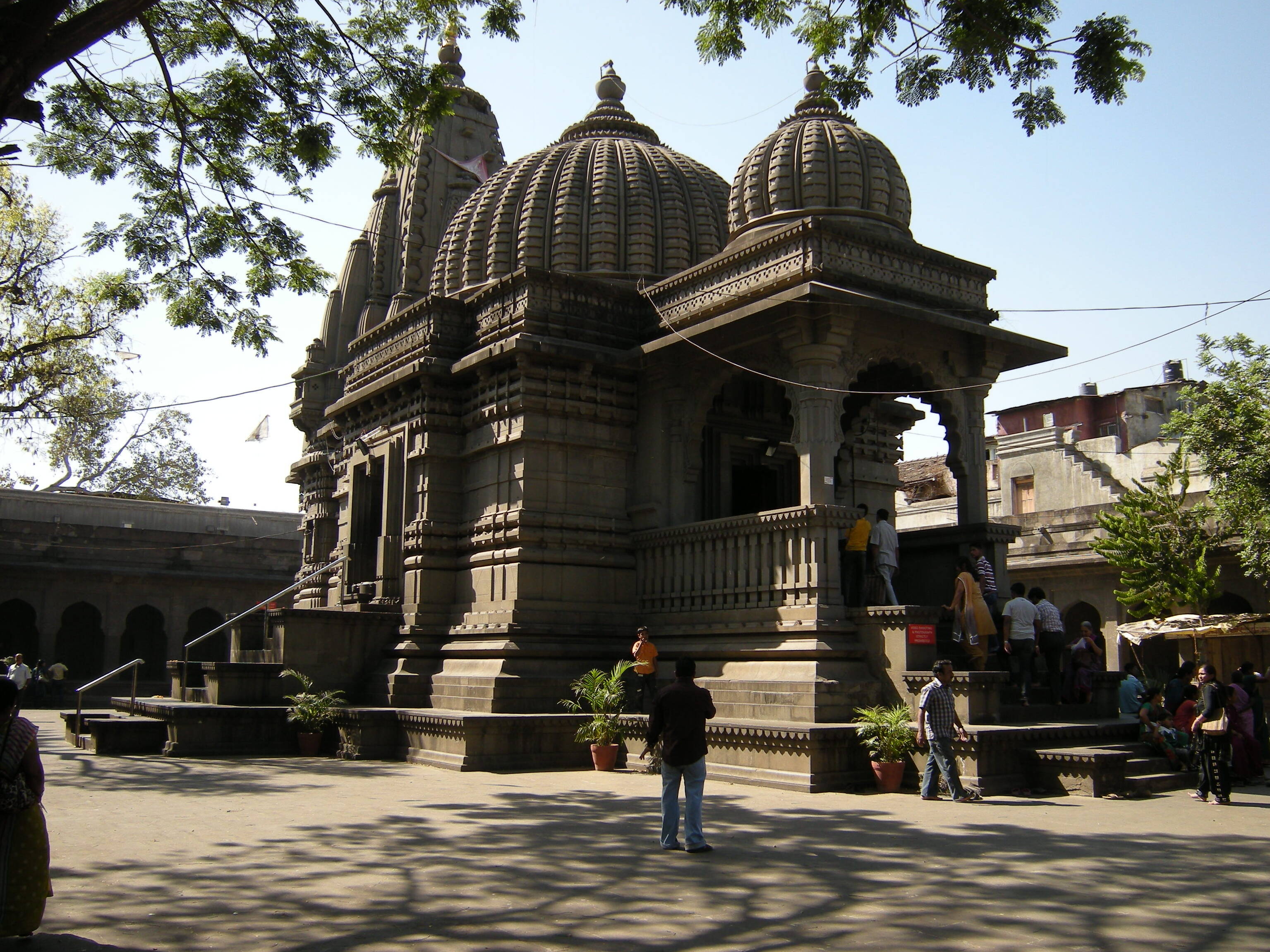

Nestled in the vibrant city of Nashik, the Kalaram Temple stands as a significant emblem of devotion and spirituality, drawing thousands of pilgrims and tourists alike. This historic shrine, dedicated to Lord Rama, is a testament to the rich tapestry of Hindu culture and the deep-rooted beliefs that define this sacred land.
History and Origins
The origins of the Kalaram Temple date back to around 1792, when it was constructed under the guidance of Sardar Rangarao Odhekar. Legend has it that Odhekar, a prominent local figure, experienced a divine vision in which he discovered a black statue of Lord Rama submerged in the waters of the Godavari River. Inspired by this dream, he embarked on a mission to retrieve the statue, which he later enshrined in the temple he built. This compelling narrative of divine intervention has become a key element of the temple's allure.
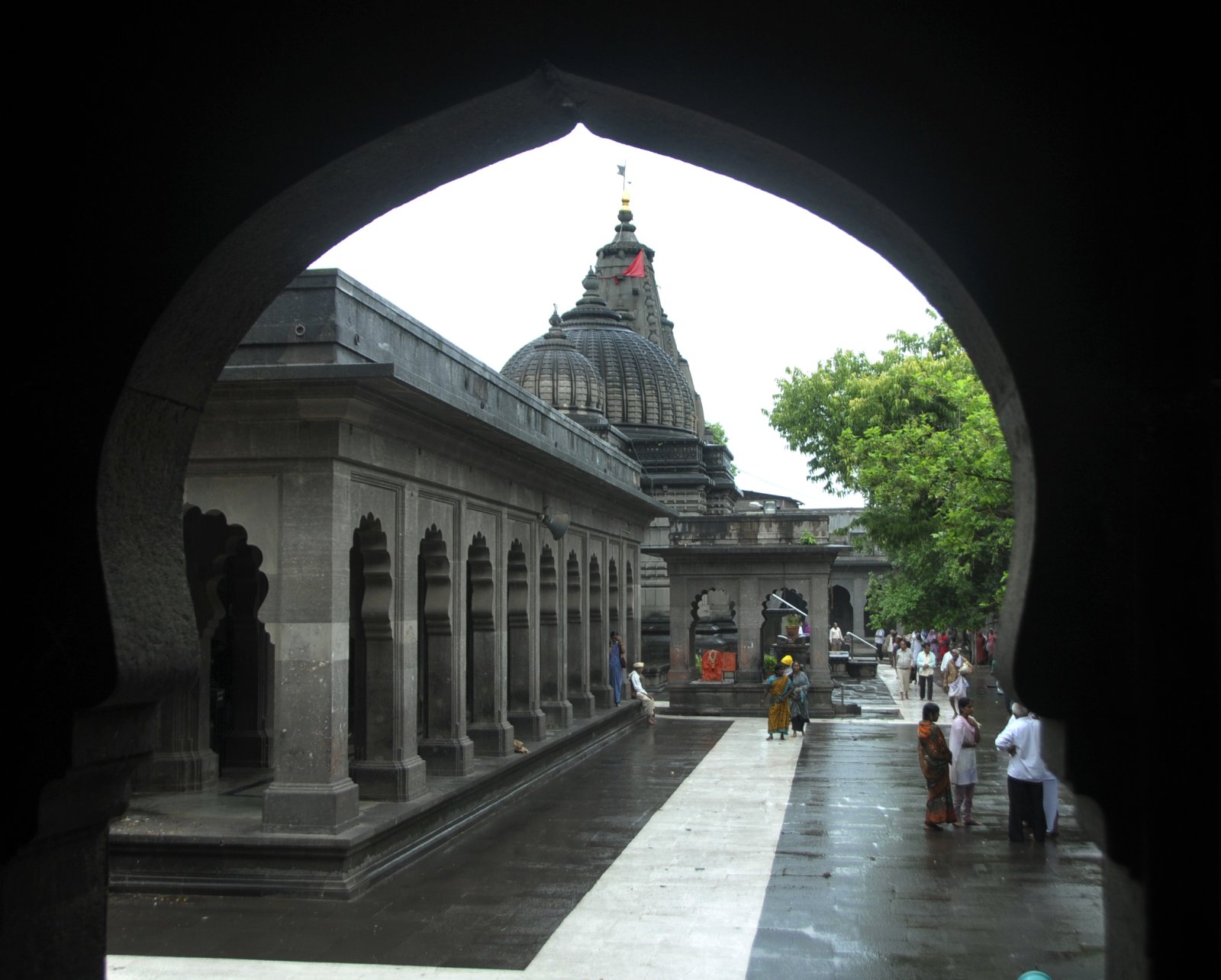
Over the years, the Kalaram Temple has witnessed significant historical events, including the rise of various dynasties and the evolution of Nashik as a cultural hub. It has remained a focal point for devotees, particularly in the context of the Kumbh Mela, a grand Hindu pilgrimage that occurs every twelve years in Nashik, attracting millions of visitors.
Art and Architecture
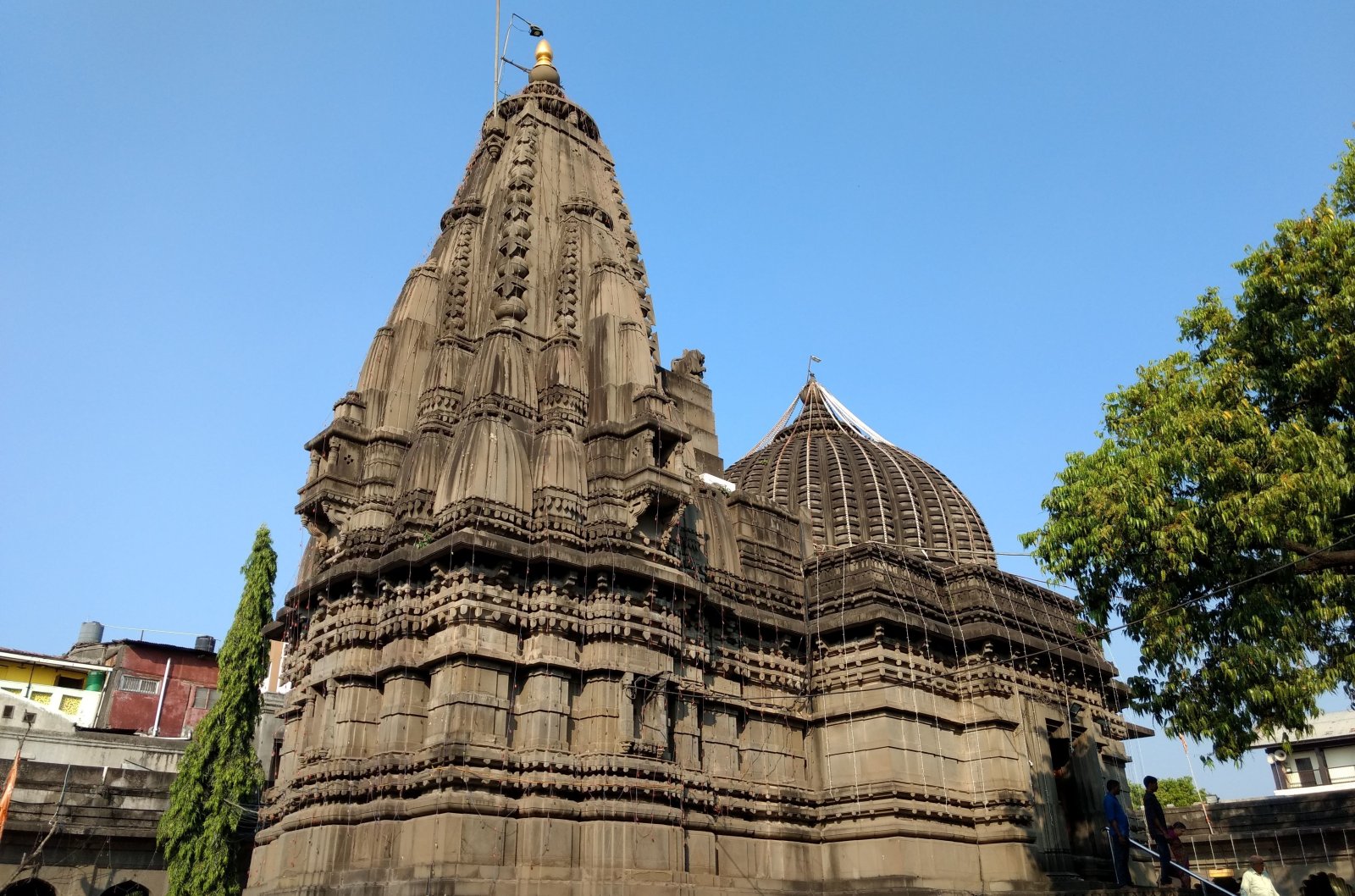
Architecturally, the Kalaram Temple is a splendid example of traditional Hindu temple design, featuring intricate carvings and an impressive façade that reflect the artistry of the period. The temple's sanctum sanctorum houses the revered black statue of Lord Rama, along with his consort Sita and brother Lakshman. The contrasts in the black stone of Rama against the lighter hues of the temple's walls create a striking visual effect.
The use of local stone and craftsmanship is evident in the temple's structure, with ornate pillars and detailed carvings depicting various scenes from the Ramayana, the ancient epic that narrates the life of Lord Rama. Visitors often find themselves mesmerized by the delicate artistry and the sacred atmosphere that permeates the temple grounds.
Local Culture and Traditions
The Kalaram Temple is not only a place of worship but also a vibrant center of local culture and tradition. The temple is particularly lively during festivals such as Ram Navami, which celebrates the birth of Lord Rama. During this time, the temple is adorned with flowers, and thousands of devotees gather to participate in special prayers and processions.
Local customs play a vital role in the temple's activities, with devotees often engaging in rituals that include offering prasad (sacred food) and lighting oil lamps. The temple serves as a communal space where people from different walks of life come together, fostering a sense of unity and shared spiritual experience.
Gastronomy
Exploring the culinary landscape around the Kalaram Temple is an essential part of the visit. Nashik is renowned for its traditional Maharashtrian cuisine, and local eateries offer a variety of delights. Don’t miss out on Vada Pav, a popular street food that consists of a spicy potato fritter served in a bun, or Misal Pav, a spicy curry made of sprouted lentils accompanied by bread.
For those with a sweet tooth, Basundi, a rich, creamy dessert made from condensed milk and flavored with cardamom, is a must-try. And, of course, the region is famous for its wines, with several vineyards located nearby. Sampling local wines can be a delightful ending to a day of spiritual exploration.
Lesser-known Curiosities
While the Kalaram Temple is widely recognized, some intriguing aspects often go unnoticed. For instance, many visitors are unaware that the temple has been a site of pilgrimage for centuries, long before its official establishment in the late 18th century. The area around the temple is steeped in mythological lore, with various spots believed to be directly associated with the life of Lord Rama.
Additionally, the temple's architecture includes subtle inscriptions and symbols that tell stories of devotion and divine protection. Keen observers can find these hidden details if they take the time to explore the temple’s walls and surroundings.
Practical Visitor Information
The best time to visit the Kalaram Temple is during the cooler months, from October to March, when the weather is pleasant for exploring both the temple and the surrounding areas. Early mornings are ideal for witnessing the temple's serene atmosphere, especially during the morning aarti (prayer ceremony).
When planning your visit, it is advisable to dress conservatively, as the temple is a sacred site. Be prepared for larger crowds during festivals, and consider arriving early to secure a good vantage point for rituals. Take time to interact with locals who can share insights and stories about the temple’s significance.
A visit to Nashik is incomplete without immersing yourself in the spiritual and cultural richness of the Kalaram Temple. Whether you are driven by devotion, curiosity, or a desire to experience local customs, this historic site offers a profound connection to India's vibrant heritage.
For a tailored exploration of Nashik, consider using the Secret World app to create a personalized itinerary.


