



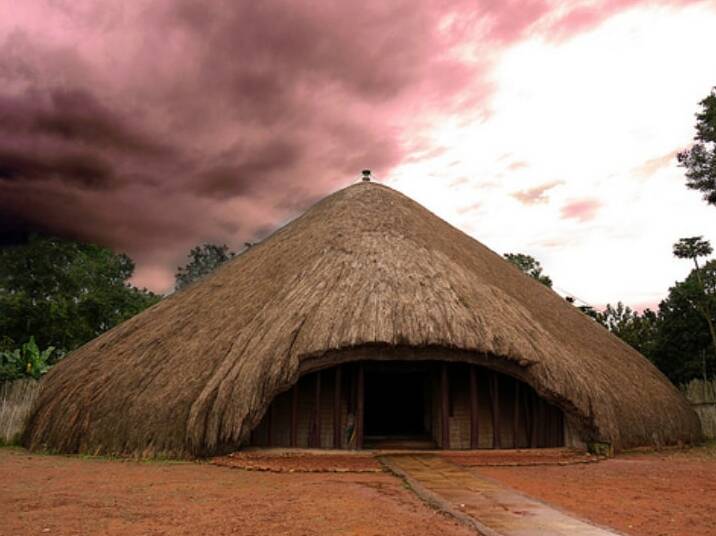
Nestled on the verdant Kasubi Hill in Kampala, the Kasubi Tombs stand as a majestic testament to the rich history and culture of the Baganda people. Revered as the burial site of four kabakas (kings of Buganda) and numerous royal family members, this UNESCO World Heritage Site is an essential spiritual and political hub for the Ganda community. Recognized for its architectural significance, the tombs are constructed primarily from vegetal materials, showcasing traditional building techniques that resonate deeply with the cultural heritage of Uganda.
The origins of the Kasubi Tombs date back to the late 19th century. The site was established in 1882 under the reign of Muteesa I, the 35th Kabaka of Buganda. Muteesa I constructed a new palace to replace an earlier structure built by his father, Ssuuna II, in 1820. Following Muteesa I's death in 1884, the palace transitioned into a royal burial ground, marking the beginning of its sacred legacy. The site encompasses a total of 26 hectares (64 acres) of land, with much of it cultivated using traditional agricultural practices. It is one of the 31 royal tombs that have been part of the Buganda kingdom since its inception in the 13th century.
The architectural style of the Kasubi Tombs is striking. The main structure, known as the Mausoleum, features a distinctive dome shape, constructed using interwoven reeds and thatch, which exemplifies the ingenuity of local craftsmanship. The intricate designs and vibrant colors of the tombs reflect the spiritual beliefs of the Baganda people, who view the tombs as not just resting places but as living entities that connect the past with the present. Notably, each deceased king is buried alongside a shrine for his jawbone, believed to house his spirit, reinforcing the Ganda belief in the enduring presence of ancestors.
Culturally, the Kasubi Tombs are a focal point for various local customs and traditions. The site is not only a burial ground but also a vibrant center for ceremonies, festivals, and gatherings that celebrate Ganda heritage. One prominent event is the Ekitangaala ceremony, which marks the beginning of the planting season and is steeped in rituals that honor the ancestors. Visitors can witness traditional dances and songs performed by local artists, providing an immersive experience of the Ganda culture.
When it comes to gastronomy, the area surrounding the Kasubi Tombs offers a delightful array of local dishes that reflect the culinary traditions of Uganda. One must-try dish is Luwombo, a rich stew made with meat (often chicken or beef), vegetables, and groundnut sauce, traditionally served with matoke (steamed green bananas). Street vendors near the tombs also offer snacks like samosas and rolex (a rolled chapati filled with eggs and vegetables), providing a delicious taste of local flavors.
Despite its popularity, there are lesser-known curiosities about the Kasubi Tombs that intrigue even the most seasoned travelers. For instance, the site is believed to be imbued with protective spirits, and local lore suggests that specific rituals are performed to honor these entities before any significant event. Additionally, the tombs have survived various challenges, including a devastating fire in 2010 that destroyed parts of the mausoleum. The restoration efforts that followed showcased the resilience and determination of the Ganda people to preserve their heritage.
For those planning a visit, the best time to explore the Kasubi Tombs is during the dry season, from December to February and June to August, when the weather is more favorable. It is advisable to join a guided tour to gain deeper insights into the history and cultural significance of the site. Look for the vibrant murals and carvings that adorn the mausoleum, as they tell stories of the past and the lineage of the Kabakas.
As you stroll through this sacred site, take a moment to absorb the profound sense of history and spirituality that permeates the air. The Kasubi Tombs are not merely a tourist attraction; they are a living narrative of the Buganda kingdom, a place where past and present intertwine beautifully.
To enhance your experience in Kampala, consider using the Secret World app to create a personalized itinerary tailored to your interests.
