



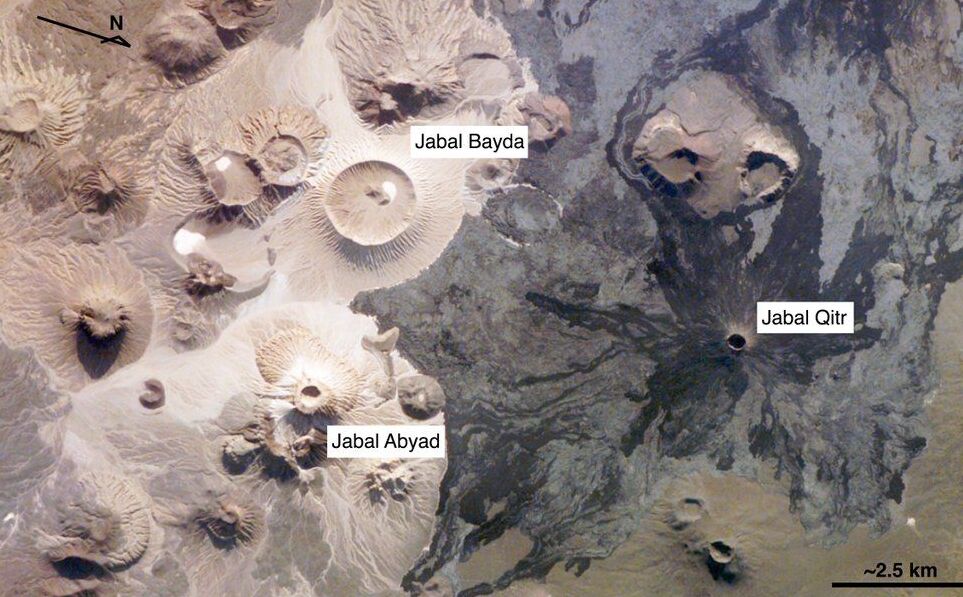
In the heart of the Kingdom of Saudi Arabia lies a geological wonder that remains shrouded in mystery and intrigue: its volcanoes. While often overshadowed by the nation’s rich history and cultural heritage, the volcanic landscapes of Saudi Arabia tell a story that dates back millions of years. It is a land where the earth's powerful forces have shaped the terrain, creating a unique environment that is both beautiful and formidable.
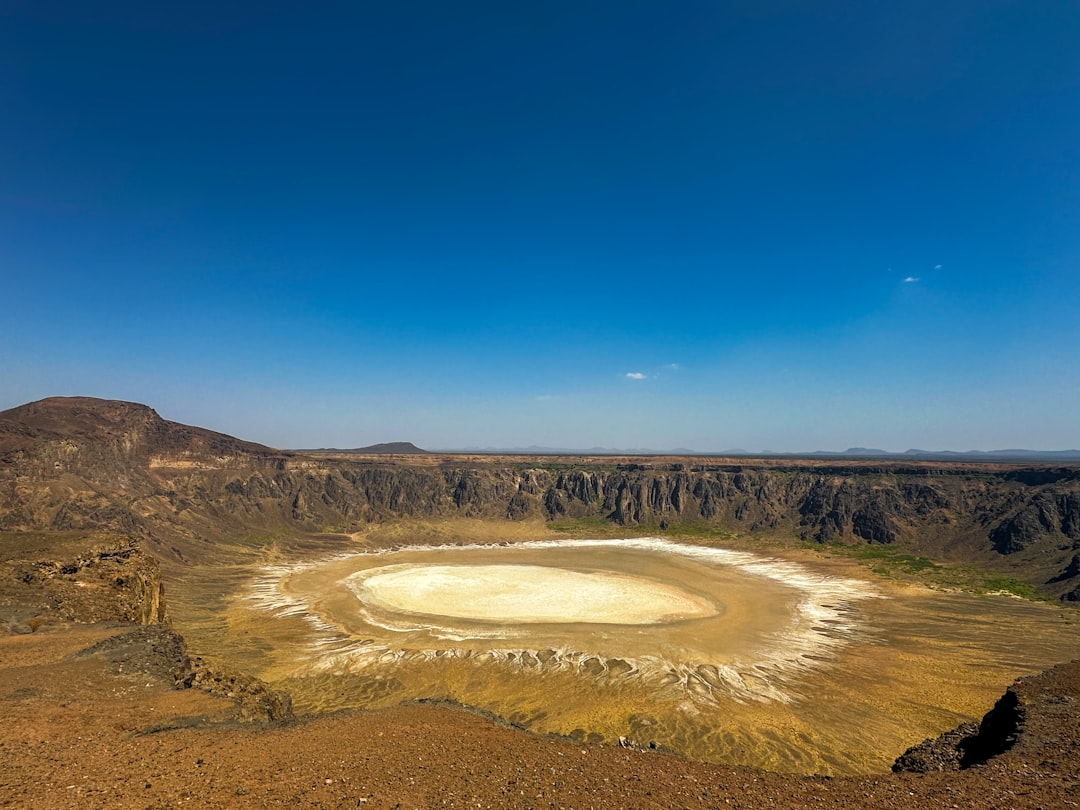
The volcanic activity in Saudi Arabia is primarily linked to the Arabian Plate, which has been uplifted along the eastern edge of the Red Sea rift. This geological phenomenon has given rise to extensive basaltic lava fields known as harrat. Spanning approximately 180,000 square kilometers, these fields extend from Turkey to Yemen, showcasing a remarkable natural tapestry. Among the most significant of these volcanic fields is the Harrat Khaybar, named after the nearby city of Khaybar, which has been a site of historical and cultural significance since ancient times.
The region's volcanic history is rich and varied. Harrat Khaybar contains a striking array of volcanic features, including scoria cones, lava domes, and the only stratovolcano in western Arabia, Jebel Qidr. This towering formation, built up over millennia by layers of hardened lava, serves as a testament to the region's dynamic geological past. The area has witnessed at least eight documented eruptions during the Islamic era, with the most notable being the Habir lava flow, which stretches for 55 kilometers. Such activity is not just a relic of the past; traces of volcanic eruptions remain visible today, with some flows still exhibiting a fluid-like appearance.
The cultural significance of the Harrat extends beyond its geological features. The region has been home to various tribes and civilizations throughout history, including the Banu Nadir, who played a crucial role in the early Islamic period. The Battle of Khaybar, fought in 629 CE, marked a pivotal moment in Islamic history, showcasing the area's strategic importance. This historical backdrop enriches the landscape, making visiting the Harrat not just a geological expedition but also a journey through time.
Art and architecture in the region reflect the intertwining of natural and human endeavors. The volcanic rock has been used in traditional building techniques, creating structures that resonate with the environment. Many ancient homes and fortifications were constructed from the very basalt that now forms the Harrat, blending seamlessly into the rugged terrain. Notable architectural gems include the remnants of forts and watchtowers, which stand as silent witnesses to the area’s tumultuous past.
Culturally, the people of the region celebrate their heritage through various customs and festivals. In Khaybar, local traditions are deeply rooted in Islamic practices, with significant events commemorating the history of the city and its surrounding areas. Festivals often feature traditional music, dance, and cuisine, allowing visitors to immerse themselves in the vibrant local culture. The use of Arabic coffee and dates as symbols of hospitality is prevalent, showcasing the warmth of the local community.
Gastronomically, the region boasts a rich culinary landscape that reflects its history and geography. Dishes such as Kabsa, a spiced rice dish typically served with chicken or lamb, and Mandi, a fragrant rice dish cooked with saffron and spices, are local favorites. These meals often accompany gatherings and celebrations, embodying the spirit of togetherness that defines the culture. Additionally, the use of spices and herbs in local cuisine is a nod to the region's historical trade routes, which connected various cultures and flavors.
Despite its captivating features, many visitors overlook the Harrat Khaybar's hidden gems. One such curiosity is the Jabal Qidr's crater, which remains largely unexplored and offers a glimpse into the region's volatile past. Additionally, the ancient rock art found in the vicinity, depicting scenes of daily life and hunting, provides insight into the lives of the people who once inhabited this majestic landscape. These lesser-known details add layers of intrigue for those willing to venture off the beaten path.
For those planning a visit, the best time to explore the Harrat Khaybar is during the cooler months, from October to March. Daytime temperatures are more manageable, allowing for comfortable hiking and exploration. Travelers should consider hiring a local guide who can provide valuable insights into the history and geology of the area, as well as access to sites that may not be readily apparent to the casual visitor.
As you embark on your journey through the volcanic landscapes of Saudi Arabia, take a moment to appreciate the interplay of nature and history. The Harrat Khaybar is not just a destination; it is a testament to the powerful forces that have shaped our world and the cultures that have flourished in its shadows.
For a tailored experience to uncover the hidden treasures of this remarkable region, consider using the Secret World app to plan your personalized itinerary.
