
← Back

The Koh-i Noor and its history

Londra, Regno Unito ★★★★☆ 394 views
Sara De mello
Londra
🏆 AI Trip Planner 2026

Get the free app

Discover the best of Londra with Secret World — the AI trip planner with 1M+ destinations. Get personalized itineraries, hidden gems and local tips. Free on iOS & Android.

🧠 AI Itineraries 🎒 Trip Toolkit 🎮 KnowWhere Game 🎧 Audio Guides 📹 Videos
Scan to download iOS / Android
Scan for AppGallery Huawei users

About The Koh-i Noor and its history

The Koh-i Noor and its history - Londra | Secret World Trip Planner

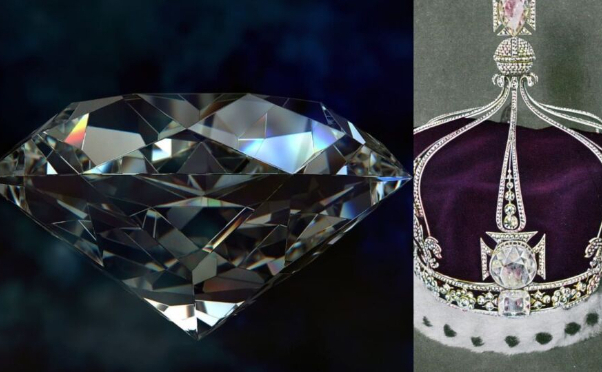
The history of the most famous diamond in the world is closely linked to the events of the English crown. And the historian William Dalrymple is referring to Koh-i Noor, this is the name of the precious stone. The precious jewel, also called mountain of light thanks to its 105.602 carats, arrived in the hands of Queen Victoria in 1849, during the conquest of the Indian region of Punjab by the then British Empire. Soon, the gem went on to adorn the royal crown, becoming a full-fledged part of the jewels solemnly enshrined in the Tower of London. But the ownership of the diamond is still a bone of contention today, with India, Iran, Afghanistan and Pakistan among the claimants. Little is known of its origin. Some believe it was found in a river bed in India around 1300, others that it was extracted from the Kollur mine. As it is, since then it became the object of desire of the greatest sovereigns. For centuries it passed from hand to hand of the Indian Mughals, Iranians, Afghans and Sikh communities. Legend has it that if a man owned the gem, he would be the ruler of the world, but would suffer great misfortune. If it had been a woman, she would have been very lucky. The earliest historical records have it in the hands of the Mughal ruler Muhammad Babur, who obtained it as a peace offering in 1526, when he invaded and conquered Delhi. A few years later, his son Humayun fell ill and, again according to legend, Babur was warned of the evil fate of the diamond but did not want to give credit, until, desperate for his son, he prayed that it be saved, in exchange for his own life. So it happened: Humayun recovered from his illness, while Babur's health deteriorated, leading to his death in 1530.

🗺 AI Trip Planner 2026

Plan your visit to Londra

Suggested itinerary near The Koh-i Noor and its history

MAJ+
500.000+ travelers worldwide
  1. 🌅
    Morning
    The Koh-i Noor and its history
    📍 Londra
  2. ☀️
    Afternoon
    The English Breakfast
    📍 0 km · Londra
  3. 🌆
    Evening
    The Smallest Police Station in the UK
    📍 0.1 km · Londra

Buy Unique Travel Experiences

Powered by Viator

See more on Viator.com

Explore nearby · Londra

Frequently Asked Questions

The Koh-i Noor is permanently displayed in the Tower of London as part of the British Crown Jewels collection. You can visit the Tower of London to view this famous 105.602-carat diamond, which has been part of the royal regalia since Queen Victoria acquired it in 1849 during the British conquest of Punjab.
According to legend, the Koh-i Noor brings contrasting fortunes depending on the owner's gender: male owners are destined to rule the world but suffer great misfortune, while female owners experience tremendous luck. This curse supposedly affected Mughal ruler Babur, whose son Humayun recovered from illness after Babur prayed and died in 1530, seemingly fulfilling the diamond's curse.
The diamond's contentious history spans centuries across multiple empires and regions, passing through the hands of Indian Mughals, Iranians, Afghans, and Sikh communities. Today, India, Iran, Afghanistan, and Pakistan all claim rightful ownership, making it a significant point of contention in international cultural heritage disputes.
Koh-i Noor translates to 'Mountain of Light' in Persian, reflecting its exceptional brilliance and the 105.602 carats that make it one of the world's most famous diamonds. While its exact origin remains unclear, some believe it was found in an Indian river bed around 1300, while others suggest it came from the Kollur mine.
Queen Victoria acquired the Koh-i Noor in 1849 during the British Empire's military conquest of the Indian region of Punjab. The diamond was subsequently incorporated into the British Crown Jewels and has been housed in the Tower of London ever since, where it remains a centerpiece of the royal collection.