



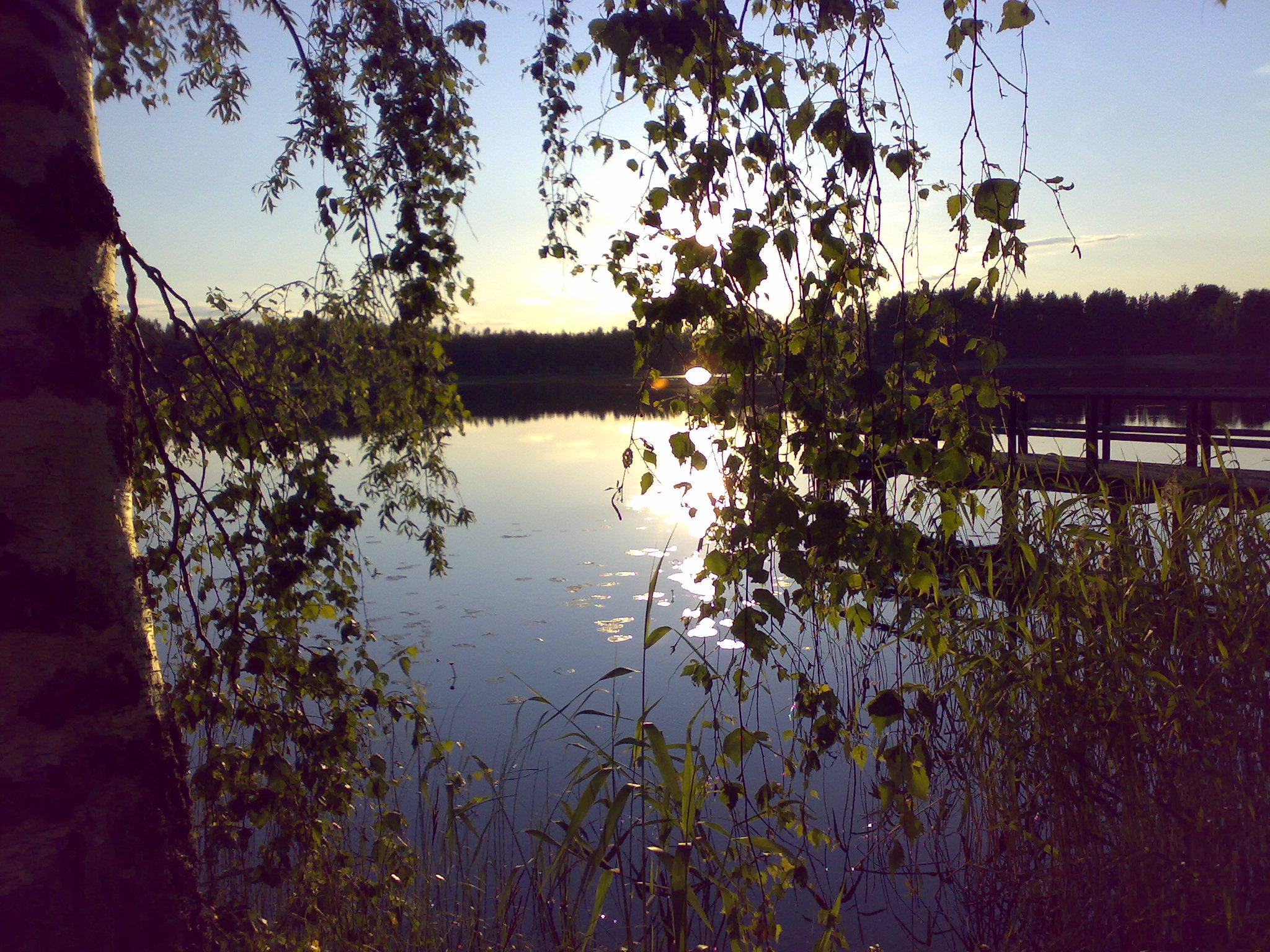
In the serene waters of the Gulf of Bothnia, the Kvarken Archipelago and the High Coast of Sweden evoke a sense of timelessness, where nature's artistry meets geological wonder. This unique region is not just a feast for the eyes; it offers a rich tapestry of history, culture, and gastronomy that invites exploration.
### History and Origins
The origins of the Kvarken Archipelago can be traced back to the last Ice Age, when massive glaciers sculpted the landscape we see today. The De Geer moraines, distinctive ridged formations, are remnants of this ancient glacial activity, formed between 10,000 and 24,000 years ago. As the ice melted, a process known as glacio-isostatic uplift began, causing the land to rise at an astonishing rate. This ongoing phenomenon has been continuously shaping the region’s geography, with new islands and peninsulas emerging from the sea.

Historically, the archipelago has been home to various human settlements, from the Sámi people, who traversed these waters for fishing and gathering, to the Swedish settlers who arrived in the 17th century. The area has witnessed key historical events, such as the conflict between Sweden and Russia in the 18th century, which influenced both the cultural and political landscape of the region.
### Art and Architecture
The architectural style of the Kvarken Archipelago and the High Coast is a reflection of its rugged environment and maritime heritage. Traditional fishing huts painted in vibrant colors dot the shorelines, while the wooden churches in nearby villages showcase classic Swedish design, often with intricate carvings and steeples that reach for the sky.
Notable artworks often draw inspiration from the stark beauty of the landscape. Local artists, such as Lars Lerin, capture the essence of the archipelago with their evocative paintings, emphasizing the interplay of light and shadow across the water and land. The region's artistic significance lies not only in its landscapes but also in the stories told through art, showcasing the life and struggles of those who have called this area home.
### Local Culture and Traditions
The culture of the Kvarken Archipelago and the High Coast is deeply intertwined with its natural environment. Local customs, such as the Midsummer celebrations, are vibrant festivals that bring communities together to honor the summer solstice. Participants dance around maypoles adorned with flowers, enjoying traditional foods like herring and new potatoes.
Another significant aspect of local culture is the annual Kvarken Festival, which celebrates the rich heritage of the region through music, dance, and traditional crafts. This event is not only a showcase of local talent but also a platform for preserving the traditions of the past, highlighting the importance of community and shared history.
### Gastronomy
When it comes to gastronomy, the Kvarken Archipelago and High Coast offer a culinary experience that emphasizes local ingredients and traditional recipes. Fish is at the heart of the local diet, with salmon, herring, and perch frequently featured in dishes. A popular local delicacy is sill, or pickled herring, often served with crispbread and raw onions.
In addition to seafood, the region boasts a range of wild game dishes, including reindeer and elk, reflecting the area's connection to nature. Local berries, such as bilberries and cloudberries, are foraged and often turned into jams or desserts, highlighting the flavors of the Nordic wilderness. Pairing these dishes with local craft beers or traditional aquavit creates a culinary journey that is as rich as the landscape itself.
### Lesser-known Curiosities
While many visitors flock to the more famous aspects of the Kvarken Archipelago, there are hidden gems worth exploring. For instance, the Landsort Lighthouse, one of the oldest in Sweden, offers stunning panoramic views and a glimpse into maritime history that few tourists experience. Moreover, the unique phenomenon of baltic algae blooms during summer creates a mesmerizing blue glow in the water, an awe-inspiring sight often missed by casual observers.
Additionally, the archipelago's diverse wildlife, including the rare white-tailed eagle and various migratory birds, provides excellent opportunities for birdwatching enthusiasts. The area is also a habitat for seals, and guided tours can lead visitors to observe these playful creatures in their natural environment.
### Practical Visitor Information
The best time to visit the Kvarken Archipelago and the High Coast is during the summer months, from June to August, when the weather is mild and the natural beauty is in full bloom. Spring and autumn can also be lovely, offering fewer crowds and stunning fall foliage.
For those planning a trip, consider renting a bike to explore the many trails that wind through forests and along coastlines. Local ferries provide access to various islands, making it easy to hop from one stunning location to another. Don’t forget to bring a camera; the breathtaking vistas are worth capturing.
As you plan your journey to this magnificent region, consider using the Secret World app to create a personalized itinerary that captures all the hidden wonders of Tervo and beyond.
