



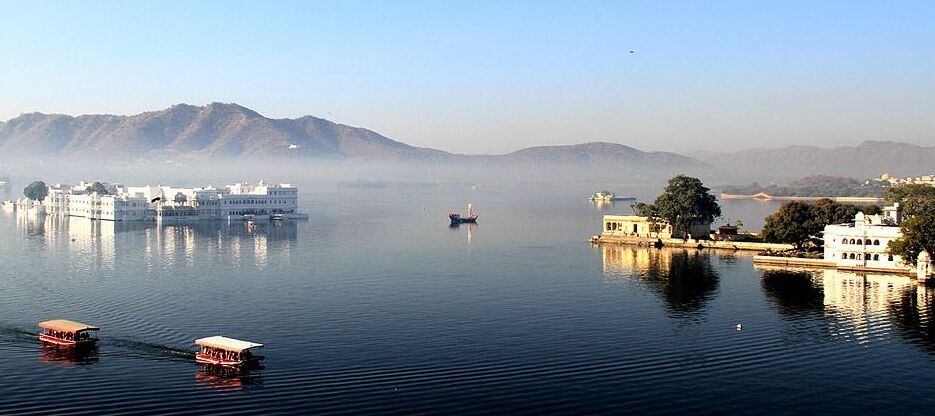
Floating regally on the serene waters of Lake Pichola, the Lake Palace is more than just an architectural marvel; it is a living testament to the opulence and grandeur of the Mewar dynasty. Built in 1746 by Maharana Jagat Singh II, this ethereal palace was originally conceived as a summer retreat for the royal family. Its immaculate white marble facade has stood the test of time, reflecting the changing hues of the sky and water, a sight that continues to captivate visitors.
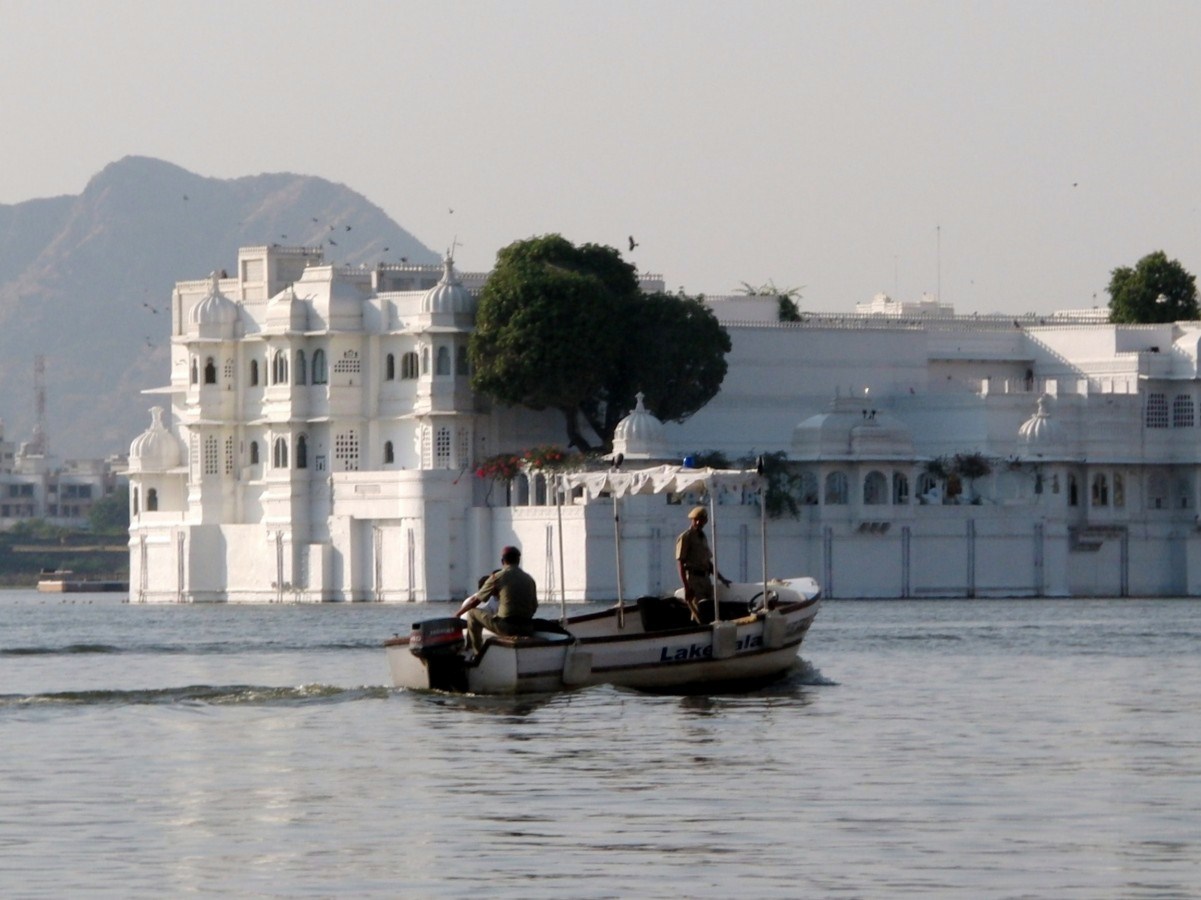
The Lake Palace is a showcase of exquisite Rajput architecture. The design incorporates intricate marble work, expansive courtyards, and ornate balconies, all of which echo the grandeur of a bygone era. One of the most striking elements is the series of cusped arches that adorn the palace, creating a play of light and shadow that adds to its mystical allure. The interiors are equally magnificent, with walls inlaid with black and white marble, adorned with semi-precious stones and floral motifs. The palace is also home to several impressive artworks, including miniature paintings that depict scenes from Hindu mythology and stories of valor and romance from the chronicles of the Mewar dynasty.
Udaipur, often referred to as the "Venice of the East," is steeped in rich cultural traditions. The Mewar Festival, celebrated in April, is one of the most vibrant events in the city, marking the onset of spring with colorful processions, music, and dance. The locals also observe traditions like the Gangaur Festival, dedicated to Goddess Parvati, with women adorning themselves in traditional attire and participating in rituals that highlight the cultural tapestry of the region. Visitors to the Lake Palace can often witness these cultural expressions, bringing the heritage of Rajasthan to life.
The gastronomy of Udaipur is a delightful exploration of flavors and aromas unique to Rajasthani cuisine. At the Lake Palace, guests can savor dishes such as dal baati churma, a classic preparation of spiced lentils, wheat rolls, and sweetened crushed cereal, or the royal laal maas, a spicy mutton curry that is a staple of the region's culinary repertoire. Complementing these dishes are traditional beverages like masala chai and the refreshing lassi, made with yogurt and flavored with saffron or rosewater.
While the Lake Palace is renowned for its lavishness, there are lesser-known curiosities that add layers to its storied history. During the Indian Rebellion of 1857, the palace served as a refuge for several European families, providing them a sanctuary amidst the turmoil. Moreover, the palace's allure has captured the imagination of filmmakers, most notably serving as a location for the James Bond film, "Octopussy," in 1983, which has cemented its status as an iconic landmark.
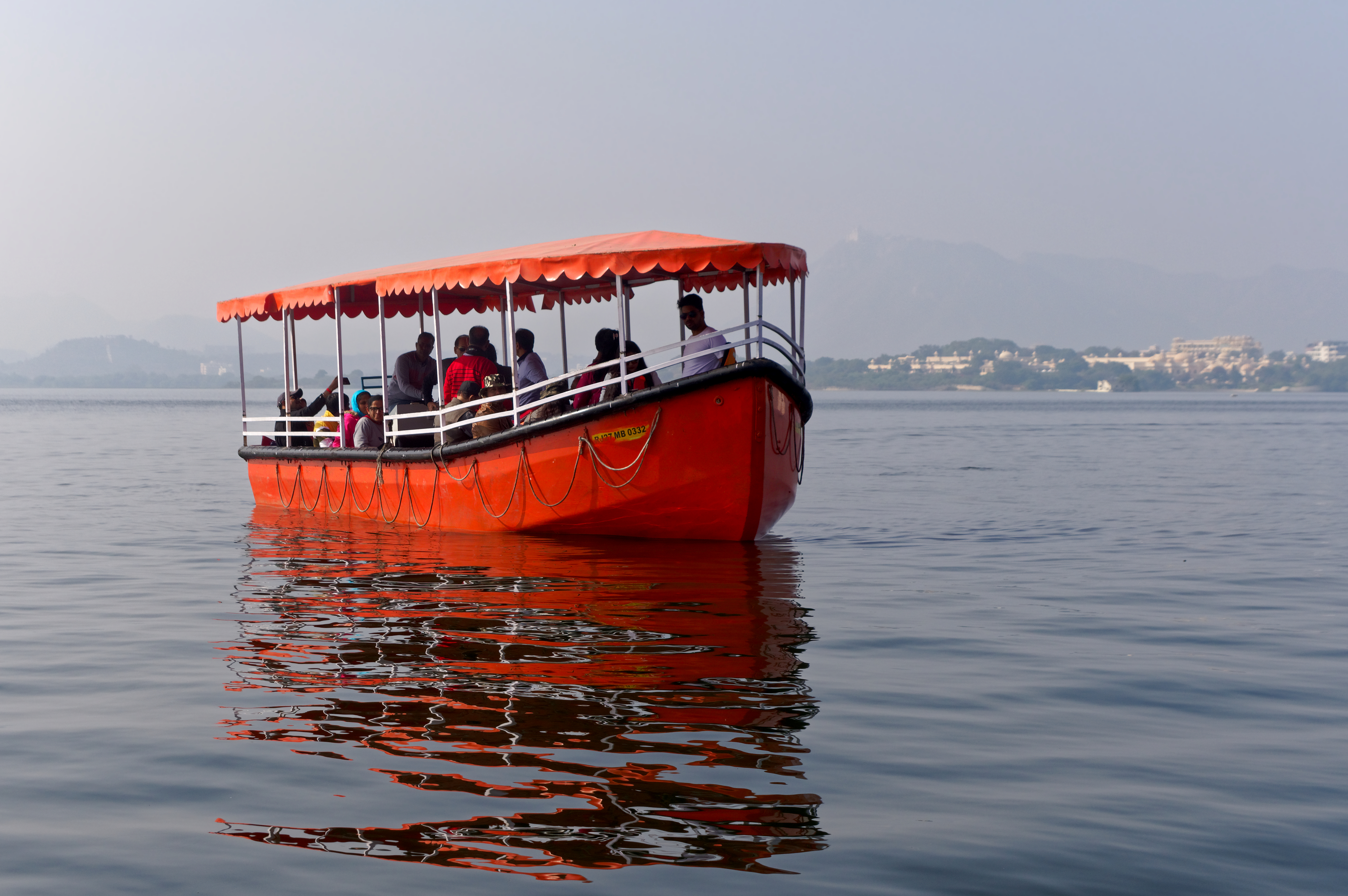
For those planning a visit, the best time to experience the Lake Palace is between September and March when the weather is cooler and the landscape is lush. Arriving at the palace involves a short boat ride from the city palace jetty, a journey that in itself is a magical prelude to the splendor that awaits. As you explore, be sure to take in the exquisite Jharokhas—overhanging enclosed balconies—that offer stunning panoramic views of the surrounding lake and the city.
In the heart of Udaipur, the Lake Palace stands as a symbol of timeless elegance and enduring heritage. Its unique blend of history, art, and culture offers an unparalleled experience, a serene escape into the splendor of Rajasthan's royal past. Whether you're drawn by its architectural beauty, its cultural richness, or its culinary delights, the Lake Palace promises a journey like no other—a journey that lingers long after the last sunset over Lake Pichola.
